
Seed priming can be a worthwhile step for indoor gardeners, as it speeds up germination and improves success rates, especially with slow or unreliable seeds. When combined with proper soil preparation and pest control, priming helps seedlings establish faster and grow stronger early on. While it might seem unnecessary in ideal conditions, understanding how priming boosts your garden’s performance can make a big difference. Keep exploring to discover how to maximize your indoor gardening results.

Get garden gear delivered free with Prime
- Fast, free delivery on millions of items
- Prime Video, Amazon Music and more included
- Member-only deals all year
Key Takeaways
- Seed priming can speed up germination and promote uniform seedling emergence indoors.
- It is especially beneficial for slow-germinating or unreliable seed varieties.
- Proper soil preparation and environment are crucial for maximizing priming benefits.
- Priming adds extra steps and costs, so evaluate if the time investment aligns with your goals.
- Combining priming with good soil, pest control, and care practices enhances overall indoor garden success.
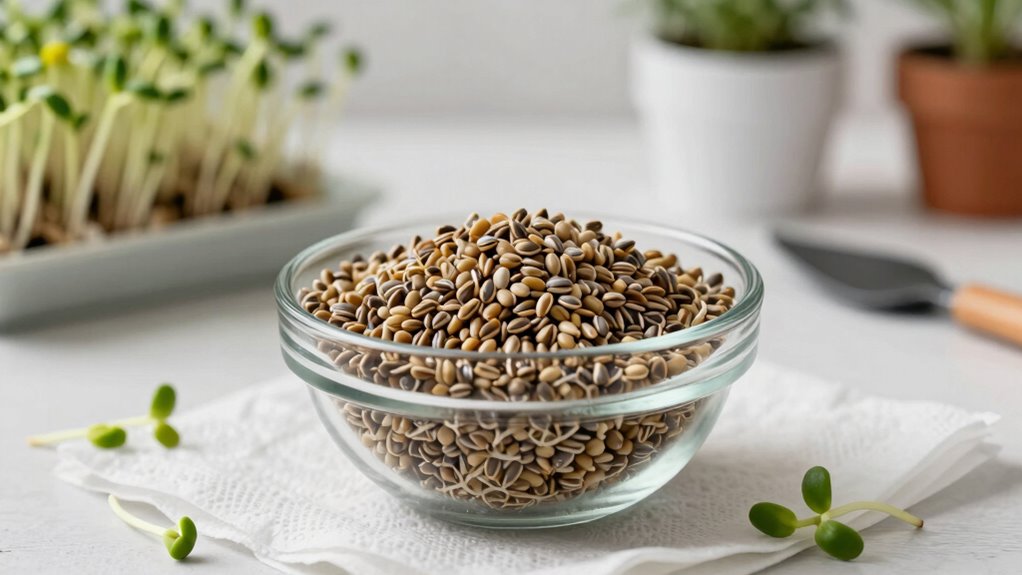
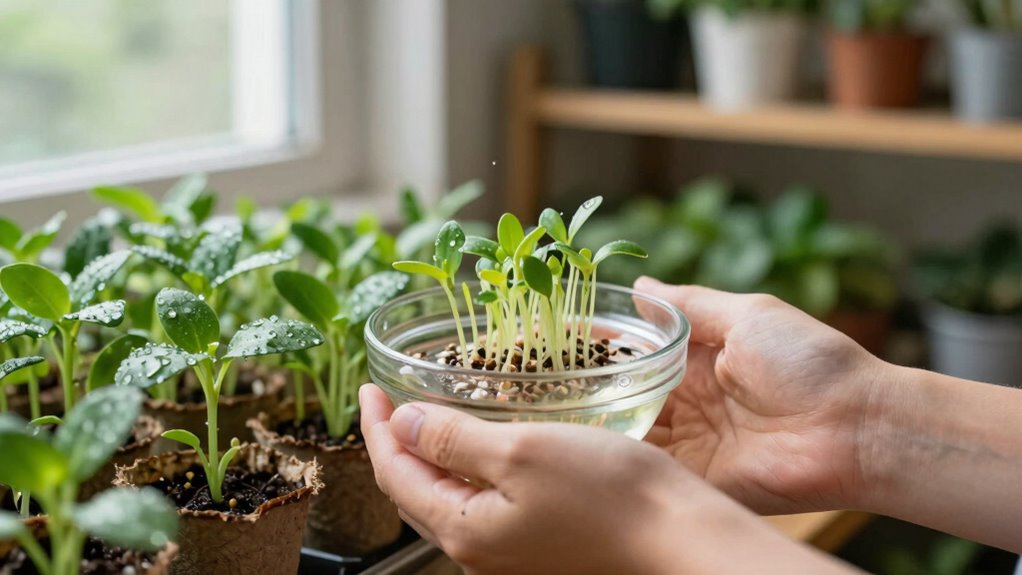
Have you ever wondered how to give your indoor garden a head start? Seed priming might be just the technique you need. It involves soaking seeds in water or a nutrient solution before planting to kickstart germination. But before jumping into priming, it’s crucial to evaluate soil preparation. Healthy soil is the foundation of any thriving indoor garden. Ensure your potting mix is well-draining, rich in organic matter, and free of pests or diseases. Proper soil preparation helps seeds establish quickly and reduces the risk of damping-off or root rot, especially when seeds are primed and more vulnerable during early growth stages. When your soil is in top shape, primed seeds can take full advantage of the environment, sprouting faster and developing stronger roots.
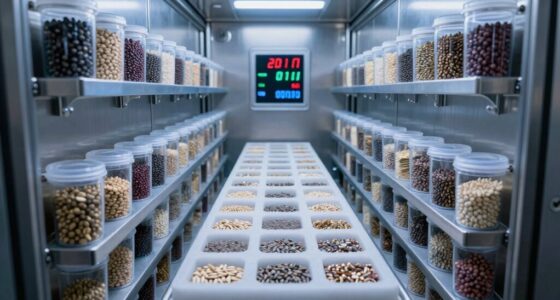
Now, you might be wondering whether seed priming is worth the effort or just a waste of time. The truth is, it can be quite beneficial, especially if you’re growing slow germinating plants or trying to get a jump on the season. Priming can reduce germination time and improve germination rates, which means quicker crops and less waiting around. It also helps seedlings emerge uniformly, making your indoor garden look tidier and more manageable from the start. Additionally, understanding seed dormancy can help you determine the best timing and methods for priming specific plant varieties. Some seeds have natural barriers to germination that priming can help overcome, leading to more reliable sprouting. Furthermore, seed viability plays a critical role in the success of priming, as healthy, viable seeds respond better to this technique. Incorporating seed testing in your prep routine can help you select the best seeds for priming, ensuring higher success rates. Also, considering seed age can influence how effective priming will be for different seed batches.
Some indoor gardeners find that seed priming saves time overall, especially when starting multiple varieties or when working with seeds that are known to be slow or unreliable germinators. Others might see it as an unnecessary extra step, especially if their soil and environment are already optimized for quick germination. It’s always wise to weigh the cost-benefit analysis of priming based on your specific plants and growing conditions. Remember, success depends not only on priming but also on good soil preparation and pest management practices. Keeping your growing environment clean and monitoring for pests ensures your seedlings develop healthy and strong. In the end, seed priming can be a valuable technique, but it’s most effective when combined with proper soil care and vigilant pest control. Whether you decide to try it or not, understanding these key aspects will help you create a more successful indoor garden.
Products Worth Considering

Orbit B-hyve XR 8-Zone Indoor/Outdoor Smart Sprinkler Controller

Orbit B-hyve Smart Indoor/Outdoor 12-Zone Sprinkler Controller
Orbit B-hyve XR Smart Indoor/Outdoor Sprinkler Controller, 16 Zones
As an affiliate, we earn on qualifying purchases.
Frequently Asked Questions
Can Seed Priming Be Used for All Indoor Plant Varieties?
You can’t use seed priming for all indoor plant varieties, especially delicate seeds like orchids or certain aquatic plants. Priming for delicate seeds requires gentle techniques, and some plants, like aquatic species, benefit from seed priming for aquatic plants to improve germination rates. While priming works well for many vegetables and herbs, always research your specific plant type to determine if seed priming is appropriate and beneficial for your indoor garden.
How Long Does Seed Priming Typically Take?
Seed priming typically takes between 12 to 24 hours, depending on the seed type and priming techniques you use. During this process, seeds are soaked or treated to activate enzymes and improve germination. The seed priming benefits include faster sprouting and stronger seedlings. Remember, over-priming can damage seeds, so monitor the process carefully. Adjust timing based on your specific plant varieties for maximum results.
Is Seed Priming Suitable for Organic Indoor Gardening?
You’re in luck—seed priming techniques are suitable for organic indoor gardening. Using organic seed treatment methods, like soaking seeds in natural solutions, aligns perfectly with organic principles. It’s like giving your seeds a head start without compromising your organic standards. Just make certain you choose eco-friendly priming agents, and you’ll see healthier sprouts and stronger plants, making your indoor garden thrive naturally and efficiently.
Does Seed Priming Impact Seed Storage Life?
Seed priming can impact seed storage life by affecting seed longevity, especially if not done carefully. Proper storage conditions, like cool, dark, and dry environments, are essential to maintain primed seeds’ viability. Primed seeds might have a shorter shelf life if stored improperly, as the process can activate metabolic processes. To maximize longevity, store primed seeds in airtight containers and avoid temperature fluctuations.
Are There Any Risks of Over-Priming Seeds Indoors?
Yes, over-priming seeds indoors can pose risks like chemical residues, which might affect seed health or plant growth. It’s also an unnecessary process if not done correctly, leading to seed damage or reduced germination rates. To avoid these issues, follow precise priming instructions and avoid excessive treatment. Properly primed seeds can benefit your garden, but overdoing it might do more harm than good.
Conclusion
In the end, seed priming can be a game-changer for your indoor garden, giving your seeds a gentle wake-up call before planting. Like a well-prepared athlete stepping onto the field, priming boosts germination and healthy growth. While it’s not a magic fix, it’s a worthwhile step that can save you time and frustration. If you’re willing to put in a little extra effort, seed priming could be the secret weapon your indoor garden needs to thrive.