TL;DR

Get garden gear delivered free with Prime
- Fast, free delivery on millions of items
- Prime Video, Amazon Music and more included
- Member-only deals all year
A Homes & Gardens report advises giving newly planted arborvitae, boxwood, rhododendron, Japanese holly and yew extra care through their first winter. Deep watering during dry fall weather, suitable mulch and breathable wind screens can help limit moisture loss while roots establish.
A Homes & Gardens report identifies five evergreens that may need extra protection in their first winter after planting: arborvitae, boxwood, rhododendron, Japanese holly and yew. The advice centers on watering during dry fall weather, mulching the root zone and using breathable wind screens where exposure warrants them, because newly planted roots may not yet reach enough soil moisture to replace water lost from foliage.
The report says winter stress is not caused only by low temperatures. Frozen ground, dry soil, winter sun and drying winds can combine to draw moisture from evergreen leaves while a new plant’s root system remains limited. It recommends checking soil moisture in October and giving plants a slow, deep watering during dry spells, then applying mulch over the root zone. Mulch should not be piled against trunks or stems, and rhododendron crowns should be left clear.
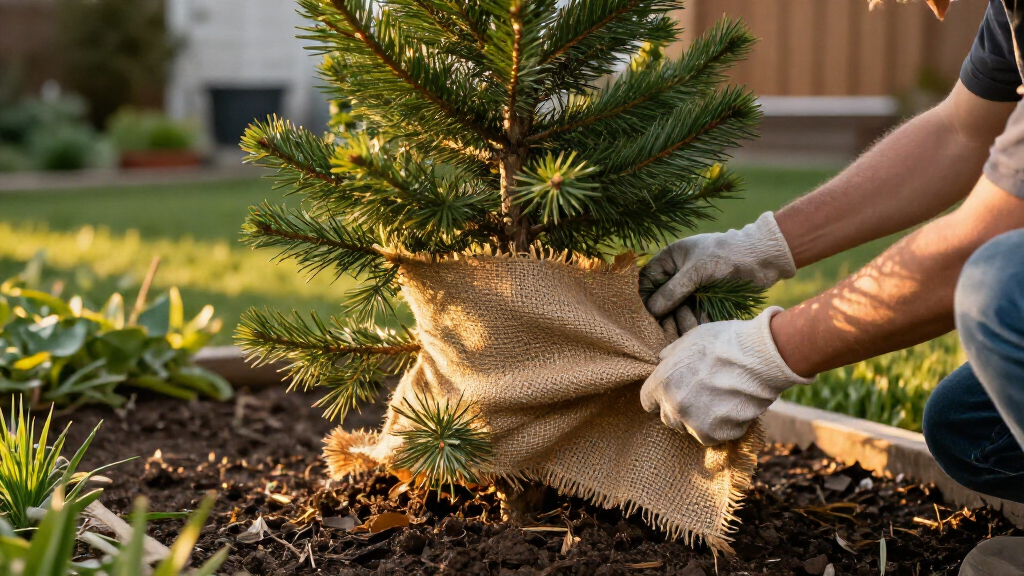
Arborvitae and boxwood may be particularly exposed when recently planted in open or windy locations. The report suggests a loose burlap screen on the windward side rather than tightly wrapping an entire plant. For arborvitae with multiple leaders or a loose shape, soft ties can help limit branch splaying before heavy, wet snow, but should not be tightened enough to constrict the branches.
For rhododendron, Japanese holly and yew, the advice is to account for each plant’s needs and conditions. Rhododendrons need soil that stays moist but drains freely; Japanese holly hardiness varies by cultivar and local conditions; and yew’s ability to cope once established does not remove the vulnerability of a newly planted specimen. The source also advises against late-season feeding of rhododendrons that could encourage tender growth before cold weather.
Why First-Winter Care Matters
Evergreens retain foliage through winter, so they can continue losing moisture when cold or frozen soil limits the roots’ ability to replace it. Newly planted specimens are more exposed because their roots have not yet spread through the surrounding soil. A plant can therefore suffer drying or foliage damage even when the problem is not simply extreme cold.
The practical consequence is that protection should match the site, not be applied automatically to every shrub. Watering, mulch and wind reduction address different parts of the risk: soil moisture, temperature swings around roots and exposure to drying gusts. Correct placement also matters. A screen should allow air movement, and covers used for a brief freeze should be removed during mild spells, according to the report.
These steps matter to homeowners who have recently invested in hedges or landscape plants. Protecting roots while they establish can help plants get through their first winter, though the source does not promise that any particular method will prevent all winter damage.
Products Worth Considering

VEVOR Walk-In Tunnel Greenhouse with Watering System, 15 x 7 x 7 ft
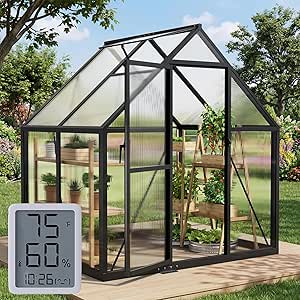
6×4 ft Walk-In Polycarbonate Greenhouse with Hygrometer

Rachio 3 Smart Sprinkler In-Ground WiFi Irrigation Controller, 8-Zone
As an affiliate, we earn on qualifying purchases.
The First Winter After Planting
The report’s central point is that a plant’s reputation for hardiness does not mean a newly planted example is immediately resilient in every location. Root establishment takes time, and exposure, soil drainage, local climate and cultivar can change how much protection is appropriate. The article specifically advises checking a plant’s USDA hardiness suitability before choosing a site for rhododendron and checking the label for Japanese holly.
Its timing advice focuses on fall, particularly October watering during dry spells and mulching once conditions cool. The report also distinguishes plants in the ground from those in containers: boxwood in a pot may need a sheltered position and insulation around the container because roots in pots experience faster temperature swings than roots in the ground.
The five plants are not presented as equally vulnerable in every garden. A windbreak is suggested where a site is exposed, while end plants in a Japanese holly row may need particular attention because they can face more wind. The guidance is therefore conditional on weather, planting location and plant condition.
Risks Depend on Site Conditions
The report does not specify a single watering volume, mulch depth for every species, or a universal temperature at which each plant needs a cover. Local weather, soil drainage, exposure and cultivar affect the right approach, and the source does not provide a plant-by-plant hardiness rating for all regions. Its advice to water deeply should not be taken to mean keeping soil waterlogged; it specifically warns that rhododendrons need good drainage.
The source also does not quantify how much winter damage the suggested measures prevent or report results from a controlled comparison. Burlap screens and temporary frost covers are presented as practical options, not guarantees. Gardeners should follow local extension guidance and plant labels where conditions differ from the report’s general advice.
Prepare Plants Before Ground Freezes
For gardeners with recent plantings, the report’s next steps are to check soil moisture during fall dry spells, water the root zone thoroughly before the ground freezes, and apply mulch without covering stems or crowns. Inspect exposed sites and add a breathable wind screen if needed, securing it so it does not press against foliage or rub against branches.
Before winter storms, arborvitae with loose or multiple leaders can be tied gently to reduce splaying. Container-grown boxwood should be moved to a sheltered place and its pot insulated; temporary covers should be removed when milder weather returns. Gardeners should monitor plants after storms and through winter, adjusting ties and screens if they shift. The report offers general seasonal guidance; the exact level of protection needed will depend on local conditions.
Key Questions
Which evergreens does the report say may need first-winter protection?
It names arborvitae, boxwood, rhododendron, Japanese holly and yew. The amount of protection depends on the plant, its location and local conditions.
When should newly planted evergreens be watered?
The report recommends checking soil moisture and watering during dry fall spells, including in October, then giving the root zone a deep soak before the ground freezes if conditions have been dry. Rhododendron soil should remain well drained rather than waterlogged.
Should burlap be wrapped tightly around an evergreen?
No. The report favors a breathable wind screen on the exposed side, held away from the foliage, rather than tightly binding the whole plant. For arborvitae branches, soft ties should be loose enough not to constrict them.
Do evergreens in pots need different winter care?
They can. The report says boxwood in containers should be moved to a sheltered position and the pot insulated, because roots in containers can experience faster temperature swings than roots in the ground.
Does every newly planted evergreen need a frost cover?
No universal requirement is given. The report recommends protection based on exposure and conditions. A temporary cover may help during a brief freeze, but it should be removed during mild spells rather than left sealed around the plant.
Source: homesandgardens.com