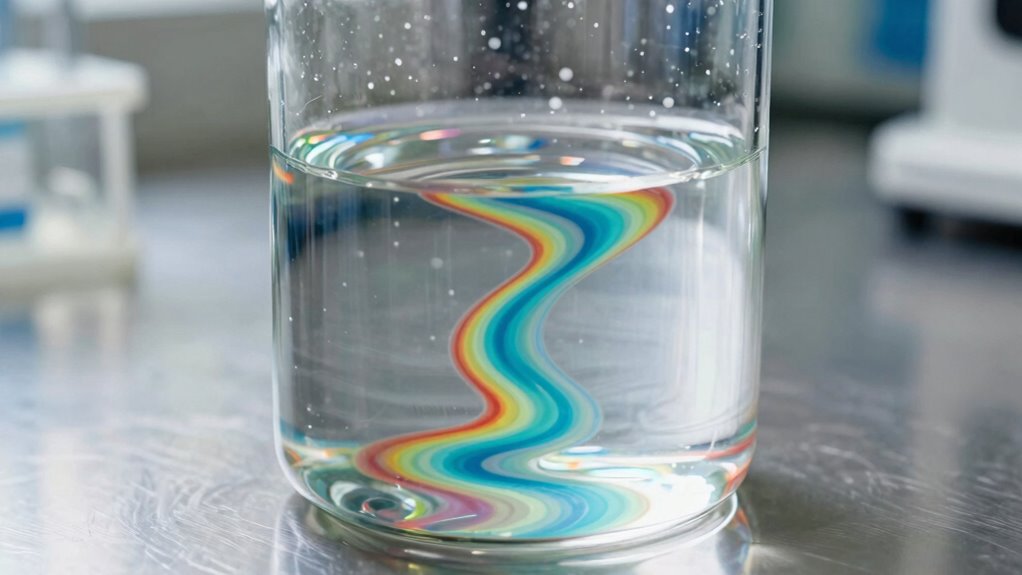

Better water storage helps you achieve more consistent mixing by keeping water quality stable and preventing contamination. When you use durable, well-maintained tanks with secure caps and proper insulation, you reduce fluctuations and microbial growth. Proper placement away from sunlight and regular cleaning keep water fresh. As a result, your mixes become more uniform, efficient, and reliable. If you want to discover how to optimize your storage for even better results, keep exploring these tips.

Get garden gear delivered free with Prime
- Fast, free delivery on millions of items
- Prime Video, Amazon Music and more included
- Member-only deals all year
Key Takeaways
- Stable water quality from improved storage prevents fluctuations that disrupt consistent mixing.
- Proper storage materials inhibit contamination, ensuring uniform water composition for mixing processes.
- Regular maintenance and cleaning of storage tanks reduce sediments and biofilms, supporting consistent water conditions.
- Optimal storage location and temperature control prevent microbial growth and water quality issues.
- Secure and insulated tanks maintain water stability, facilitating reliable and uniform mixing outcomes.
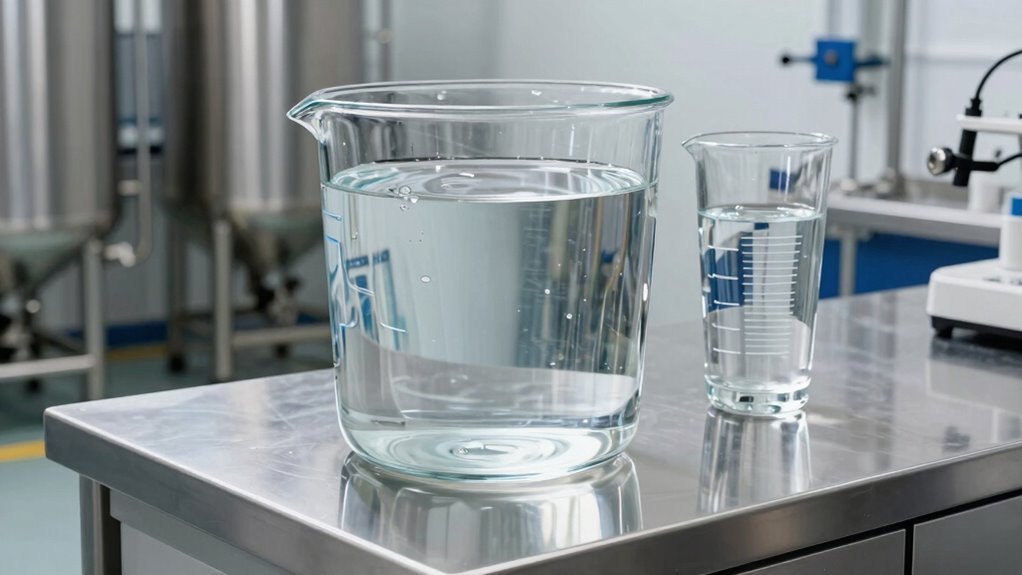
Have you ever considered how much better your water storage could be? Improving your water storage setup not only helps with water conservation but also guarantees your mixing processes are more consistent. When you choose the right storage materials, you create a more reliable environment for holding water, which directly impacts how well substances mix later on. Poor storage can lead to contamination or stagnation, making it harder to achieve uniform mixtures. By investing in quality storage containers, you set a foundation that promotes cleaner, more stable water reserves, ultimately making your entire process smoother.
Using the right storage materials is vital. Durable plastics, stainless steel, or even fiberglass tanks can resist corrosion and prevent leaching of unwanted chemicals into your water. These materials are not only more sustainable but also better at maintaining water quality over time. When water stays fresh and uncontaminated, you’re less likely to encounter inconsistencies during mixing. Plus, choosing the appropriate storage materials can extend the lifespan of your tanks, reducing replacement costs and waste—key components of water conservation efforts. Correctly stored water minimizes loss and spoilage, meaning you get more use out of every drop and less unnecessary consumption.
Additionally, proper storage design plays a significant role in maintaining water quality. Tanks with secure lids prevent debris, insects, and bacteria from entering, which keeps your water cleaner and ready for consistent mixing. Adequate insulation or temperature control can also prevent fluctuations that might cause water to stagnate or encourage microbial growth. When your water remains stable in storage, it’s easier to achieve uniformity during mixing because the water’s composition stays consistent. This stability reduces the need for additional adjustments or treatments, saving both time and resources. Proper storage conditions are essential in maintaining water quality and ensuring optimal mixing results. Regularly monitoring water parameters can further help detect any issues early, ensuring ongoing water quality and mixing consistency. Implementing proper maintenance practices can also enhance the longevity of your storage system and improve overall water stability.
Furthermore, your choice of storage location influences the effectiveness of your water conservation efforts. Keeping tanks away from direct sunlight minimizes algae growth, and selecting a shaded or covered area can help maintain water quality. Properly maintaining and cleaning your storage tanks on a regular schedule ensures that sediments or biofilms don’t interfere with water properties. When your stored water is high-quality and stable, mixing becomes more predictable, leading to better results and less waste. This way, you maximize the benefits of your investment, making sure every batch you produce is as uniform as possible. Additionally, considering water temperature regulation can further support the preservation of water quality and consistency over time.
water storage tanks with secure lids
As an affiliate, we earn on qualifying purchases.
As an affiliate, we earn on qualifying purchases.
Frequently Asked Questions
How Does Water Temperature Affect Mixing Consistency?
Water temperature greatly impacts mixing consistency by causing temperature fluctuation, which affects viscosity variation. When water is warmer, it becomes less viscous, allowing ingredients to blend more smoothly and evenly. Conversely, colder water increases viscosity, making mixing more difficult and inconsistent. You should monitor water temperature closely; maintaining a stable temperature guarantees uniform viscosity, leading to better, more reliable mixing results every time.
What Materials Are Best for Water Storage Tanks?
You should choose water storage tanks made from durable materials like high-density polyethylene or stainless steel, which resist corrosion and withstand environmental stresses. These materials guarantee long-term tank durability and maintain water quality. Opt for a water container design that promotes easy cleaning, minimizes contamination, and facilitates proper mixing. By selecting the right tank material and design, you ensure consistent water quality and efficient mixing, essential for your operations.
How Often Should Water Storage Tanks Be Cleaned?
You should clean your water storage tanks at least once a year—more if you notice any foul smell or visible sediment. Regular water tank maintenance prevents algae, bacteria, and sludge buildup, ensuring water stays fresh and safe. The right storage tank materials, like stainless steel or high-quality plastics, make cleaning easier and more effective. Consistent maintenance guarantees your water remains clean, safe, and perfect for use anytime you need it.
Can Contaminated Water Impact Mixing Quality?
Contaminated water can definitely impact mixing quality, as contamination sources like bacteria, algae, or debris can interfere with the process. Water purity concerns become critical because impurities can cause inconsistent mixtures, affect product quality, and even damage equipment. You need to regularly check and maintain your water storage to prevent contamination, ensuring your water remains clean and pure. This way, your mixing process stays reliable and produces consistent results.
What Are Signs of Poor Water Storage Conditions?
Signs of poor water storage conditions include water stagnation, which causes a foul smell or discoloration, and leakage issues, leading to dampness or mold around storage areas. You might notice slimy residues or insects attracted to the water. These signs indicate contamination risks and inefficient storage, which can compromise mixing quality. Regularly inspecting your storage tanks and maintaining a clean, sealed environment helps prevent these issues and guarantees better mixing results.
stainless steel water storage containers
As an affiliate, we earn on qualifying purchases.
As an affiliate, we earn on qualifying purchases.
Conclusion
By improving your water storage, you guarantee consistent mixing and better results every time. When water is stored properly, you reduce the risk of contamination and uneven blending. Did you know that over 80% of water-related issues in industrial processes stem from storage problems? Keeping your water supply reliable and steady not only saves time but also boosts quality. So, invest in good storage solutions—your mixing precision depends on it!
As an affiliate, we earn on qualifying purchases.
As an affiliate, we earn on qualifying purchases.
Fall yard work Picks
leaf blowers
As an affiliate, we earn on qualifying purchases.