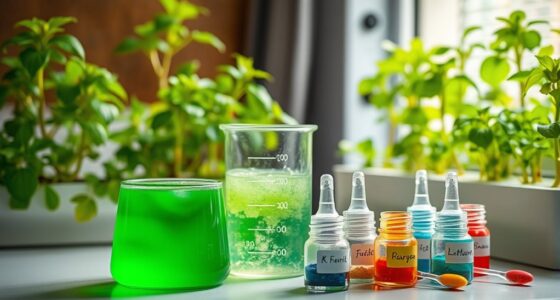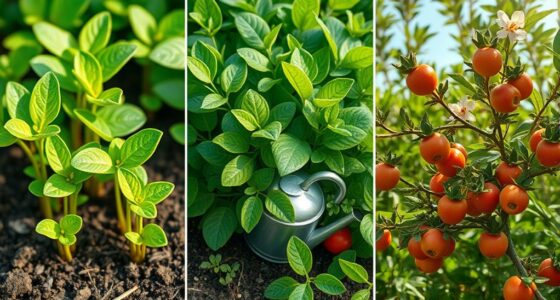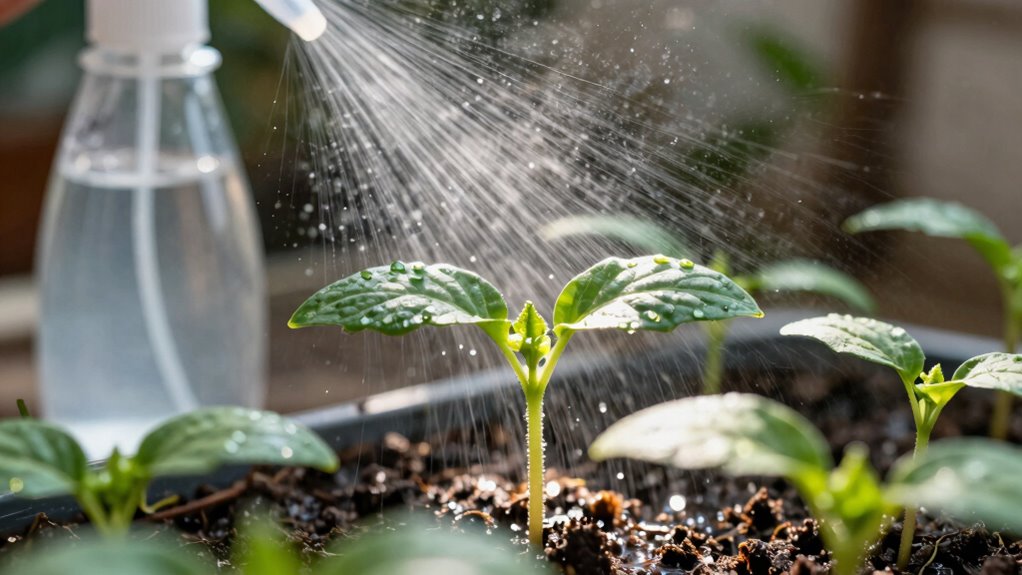

If you overfeed your young plants with too much fertilizer, it can cause nutrient imbalances that stunt their growth and weaken their health. Excess nutrients build up in the soil, leading to salt buildup and nutrient lockout, which prevents plants from absorbing what they need. This can result in yellowing leaves and stunted growth. To avoid this mistake, understanding proper fertilization and soil chemistry is key—keep exploring to learn more about keeping your plants healthy.
Key Takeaways
- Using too strong or concentrated fertilizer can cause nutrient lockout and hinder nutrient absorption.
- Overfeeding young plants disrupts soil chemistry, leading to root damage and stunted growth.
- Excessive nutrient strength can cause salt buildup, damaging roots and impairing plant development.
- Applying high-strength nutrients without proper soil pH adjustment reduces nutrient availability.
- Over-fertilization can cause leaf yellowing and growth stunting, rather than promoting healthy development.
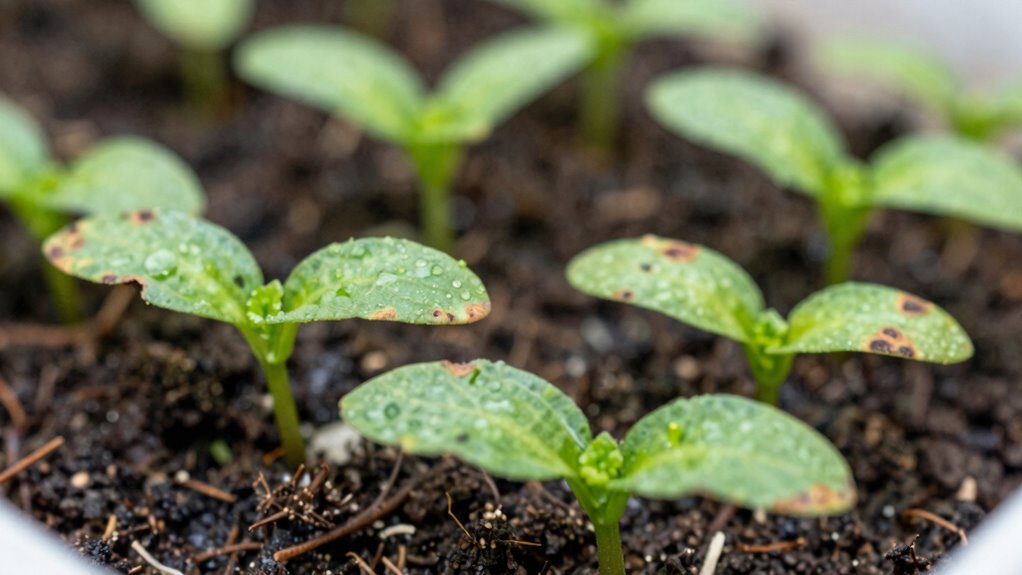
Starting young plants with the right nutrient strength is essential for healthy growth, yet many gardeners make the common mistake of overfeeding them. When you give plants too much fertilizer, it can lead to nutrient imbalances that hinder their development instead of promoting it. One critical aspect often overlooked is how soil pH interacts with nutrient availability. If the soil pH is off-balance—either too acidic or too alkaline—even the proper nutrients won’t be absorbed effectively. Overfeeding can exacerbate this problem, causing a buildup of salts that disrupt the delicate soil chemistry, making it harder for roots to take up nutrients. To prevent this, you need to regularly test your soil pH and adjust accordingly, ensuring it remains within the optimal range for your specific plants. This way, you avoid the trap of over-fertilization, which can lead to nutrient lockout, stunting growth or causing leaves to yellow.
Another key factor tied closely to nutrient management is watering frequency. Overwatering can wash away nutrients before plants have a chance to absorb them, while underwatering stresses plants and hampers nutrient uptake altogether. When you water too frequently, especially in conjunction with high fertilizer levels, you risk creating a soggy environment that promotes root rot and prevents roots from effectively accessing nutrients. Conversely, infrequent watering can concentrate salts in the soil, leading to nutrient toxicity. Striking the right balance is crucial; you need to water deeply but infrequently, allowing the soil to dry out slightly between waterings. This promotes healthy root growth and ensures nutrients are available in the right amounts. Remember, consistent watering schedules help maintain stable soil moisture, which is vital for nutrient absorption and overall plant health.
Additionally, understanding how soil chemistry influences nutrient uptake can help you fine-tune your fertilizing strategy to support young plants better. Regular soil testing and proper amendments can prevent the adverse effects of imbalanced nutrients, especially when combined with appropriate watering practices. A thorough understanding of soil pH and its effects on nutrient availability can help you avoid common pitfalls and optimize plant growth. Recognizing how nutrient interactions can cause deficiencies or toxicities allows you to adjust your fertilization techniques accordingly and promote healthier development.
In essence, maintaining the proper nutrient strength for young plants means paying close attention to both soil pH and watering frequency. Overfeeding isn’t just about using too much fertilizer; it’s about creating conditions where nutrients can’t be properly be absorbed or utilized. Regularly test your soil and adjust your watering habits to keep them aligned with your plants’ needs. When you do this, you help your young plants develop strong roots and vibrant foliage, setting a solid foundation for future growth. Avoid the temptation to push too hard with fertilizers, and instead focus on creating a balanced environment where nutrients are readily available and conditions remain optimal. This approach ensures your plants grow healthy, vigorous, and resilient from the very start.

SONKIR Soil pH Meter, MS02 3-in-1 Soil Moisture/Light/pH Tester Gardening Tool Kits for Plant Care, Great for Garden, Lawn, Farm, Indoor & Outdoor Use (Green)
Kindly NOTE: This soil tester can not be applied to test pH value of any other liquid. If…
As an affiliate, we earn on qualifying purchases.
As an affiliate, we earn on qualifying purchases.
Frequently Asked Questions
How Do I Detect Over-Fertilization in Young Plants?
You can detect over-fertilization in young plants by observing leaf tip burn, yellowing, or wilting, which indicate excess nutrients. If you notice these signs, avoid foliar feeding and reduce fertilization. Over-fertilized plants often struggle with root absorption, leading to nutrient imbalances. Check your plants regularly and adjust your feeding schedule to prevent damage, ensuring healthy growth through proper nutrient balance and careful monitoring.
What Are the Long-Term Effects of Nutrient Imbalance?
Imagine a young plant’s roots struggling in a poisoned, nutrient-depleted soil; long-term effects of nutrient imbalance can weaken its structure and hinder growth. Nutrient deficiency leads to stunted development, while soil toxicity causes persistent stress, reducing resilience. Over time, this imbalance can cause leaves to yellow, roots to decay, and overall plant health to decline, making it vulnerable to pests and diseases. Rectifying nutrient levels early guarantees a thriving, strong plant.
Which Nutrients Are Most Critical During Early Plant Growth?
During early growth, you need to focus on nitrogen, phosphorus, and potassium. Nitrogen promotes lush foliage and growth hormone production, which accelerates overall development. Phosphorus is essential for healthy root development, helping young plants establish a strong foundation. Potassium supports overall vigor and disease resistance. Providing the right balance of these nutrients guarantees your plants grow vigorously, with healthy roots and ideal growth hormone levels, setting a solid stage for future growth.
Can Natural Fertilizers Prevent Nutrient Strength Mistakes?
Yes, natural fertilizers like organic amendments and compost teas can help prevent nutrient strength mistakes. Unlike synthetic options, these natural methods release nutrients slowly and steadily, reducing the risk of overfeeding young plants. By nourishing the soil naturally, you promote healthy growth without risking nutrient burn. Incorporating compost teas also boosts microbial life, creating a balanced environment that supports proper nutrient uptake and fosters resilient, thriving plants.
How Often Should I Test Soil Nutrient Levels?
You should test your soil nutrient levels at least once a year, preferably before planting or during the growing season. Regular soil testing helps you adjust fertilizer timing and avoid nutrient imbalances that can stunt young plants. If you’re growing nutrient-sensitive crops, consider testing more frequently, like every 3-6 months. This way, you guarantee your plants get the right nutrients when they need them most, promoting healthy growth.

Seedling Fertilizer – Liquid Plant Food for Strong Root Development & Healthy New Growth, 8 oz
Helps Promote Strong Root Growth – Encourages healthy root establishment for new plants.
As an affiliate, we earn on qualifying purchases.
As an affiliate, we earn on qualifying purchases.
Conclusion
So, next time you’re nurturing your young plants, remember that a simple mistake like overestimating nutrient strength can set them back. It’s funny how a tiny oversight can turn into a big problem—kind of like misplacing your keys and realizing they were in your pocket all along. Keep a close eye on those nutrients, and your plants will thank you for your attention. Sometimes, the smallest adjustments make the biggest difference.
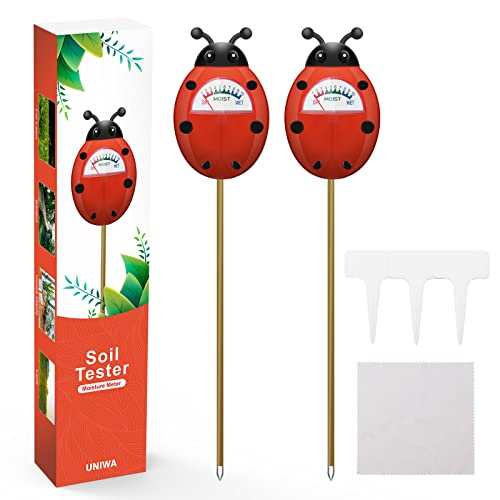
UNIWA Soil Moisture Meter, Plant Moisture Meter, Soil Hygrometer Sensor for Gardening, Farming, Indoor, and Outdoor Plants, Plant Water Monitor Gardening Gifts, No Batteries Required, 2-Pack
【ACCURATE & WIDELY 】APPLICABLE: the premium double-needle detection technology enhances the speed and accuracy of all readings.You can…
As an affiliate, we earn on qualifying purchases.
As an affiliate, we earn on qualifying purchases.

Dr. Earth Organic 5 Tomato, Vegetable & Herb Fertilizer Poly Bag
For more nutritious and tasty vegetables
As an affiliate, we earn on qualifying purchases.
As an affiliate, we earn on qualifying purchases.