

The easiest way to keep useful nutrient notes is to focus on a simple, consistent routine. Track essential details like what you eat, when you take supplements, and dosages, using a straightforward format like a notebook or app. Avoid overcomplicating by focusing on big-picture goals like protein and vitamins. Regularly reviewing your notes helps you spot deficiencies and make smarter adjustments over time. Keep it simple, stay consistent, and you’ll be surprised how much your awareness improves—and that’s just the start.
Key Takeaways
- Use a simple, consistent format to record what you eat, when, and supplement details daily or weekly.
- Plan meals in advance with key ingredients and portions to ensure balanced nutrition.
- Dedicate a specific section or app for tracking supplements, including type, dosage, and time.
- Focus on big-picture goals like protein and vitamins, avoiding overtracking micronutrients unless necessary.
- Regularly review your notes to identify gaps, adjust habits, and maintain a sustainable, stress-free routine.
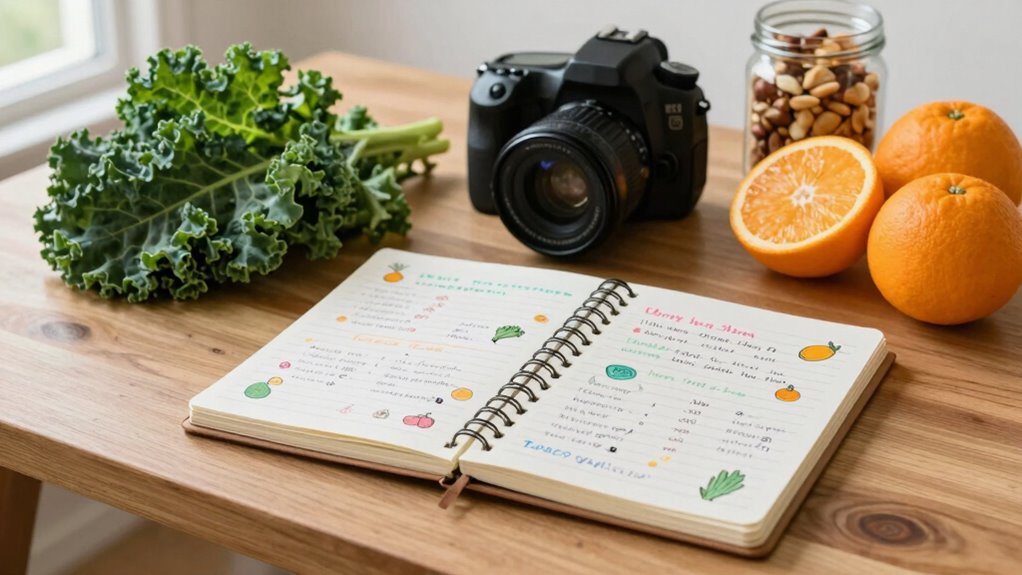
When it comes to maintaining a healthy diet, quick tips and facts often flood the internet, but many of them aren’t actually helpful. The real challenge lies in creating a simple, effective system to track your nutrients without feeling overwhelmed. The easiest way to keep nutrient notes that are actually useful is to develop a straightforward routine that integrates meal planning and supplement tracking. Instead of jotting down every detail, focus on the essentials—what you eat, when you eat it, and any supplements you take. This approach keeps your notes manageable and actionable.
Start by planning your meals in advance. Meal planning helps you ensure a balanced intake of essential nutrients and prevents last-minute unhealthy choices. When you prepare your meals, note the key ingredients and portion sizes. Use a simple spreadsheet or a note-taking app to record these details. This way, you can easily see which nutrients you’re consistently hitting and where you need improvement. For example, if you notice your iron intake is low, you can adjust your meals accordingly. Meal planning also minimizes the risk of forgetting to include nutrient-rich foods or missing out on your supplement routine.
Supplement tracking is equally important but often overlooked. Keep a dedicated section in your notes for supplements—record the type, dosage, and time you take them. This not only helps you stay consistent but also allows you to monitor how they contribute to your overall nutrient intake. If you’re taking multiple supplements, a simple checklist or calendar can prevent overlap or missed doses. Over time, this data can reveal patterns, such as whether certain supplements make you feel better or if you need to adjust your intake. Additionally, understanding your nutritional needs can help guide your supplement choices and overall diet.
The key is to keep your notes simple and consistent. Use a format that’s easy to update daily or weekly, and stick with it. Avoid overcomplicating the process by trying to track every micronutrient unless you’re working under specific health guidance. Instead, focus on the big picture: Are you meeting your protein, fiber, vitamin, and mineral goals? Are your supplements helping fill in the gaps? Regularly reviewing these notes will help you make smarter choices without the stress of complicated tracking systems.
In the end, the easiest way to keep nutrient notes that are genuinely useful is to create a routine that combines meal planning and supplement tracking. When these practices become habits, you’ll naturally stay aware of your nutritional status and make adjustments as needed. The goal isn’t perfection but consistency, and keeping your notes simple and purposeful will make that achievable.

Cora Kate Food Journal Diary, 5.5 x 8.5 Calorie Counter Book, 50-Page Double-Sided Spiral Bound Meal Tracker for Tracking Calories, Carbs, Fat, Protein, Calorie Tracker, Food Log for Diet & Nutrition
Achieve Your Health Goals: Empower your wellness journey with this easy-to-use food diary, perfect for tracking daily meals…
As an affiliate, we earn on qualifying purchases.
As an affiliate, we earn on qualifying purchases.
Frequently Asked Questions
How Often Should I Update My Nutrient Notes?
You should update your nutrient notes regularly, ideally after each meal or at least weekly. This keeps your meal planning accurate and helps track supplements effectively. Consistently reviewing your notes guarantees you’re meeting your nutritional goals and adjusting for any changes in your diet. By staying proactive, you can identify gaps or excesses, making it easier to maintain a balanced diet and optimize your supplement intake.
What Tools Are Best for Tracking Nutrient Intake?
You should use apps or spreadsheets that incorporate food labeling details and nutrient timing to track your intake effectively. Opt for tools like MyFitnessPal or Chronometer, which allow you to scan labels and log meals easily. Focus on logging nutrient timing around workouts and meals to optimize absorption. These tools help you stay organized, monitor progress, and make adjustments based on your nutritional goals, ensuring your notes stay useful and accurate.
Can Nutrient Notes Help With Specific Dietary Goals?
Yes, nutrient notes can help you achieve specific dietary goals by guiding your meal planning and optimizing nutrient timing. When you track your intake, you can identify gaps and adjust meals to meet your target nutrients, whether for muscle gain, weight loss, or performance. Keeping detailed notes makes it easier to stay consistent, plan ahead, and guarantee you’re consuming the right nutrients at the right times for your goals.
How Do I Personalize Nutrient Notes for Different Diets?
Ironically, trying to make nutrient notes fit every diet feels like juggling flaming torches. To personalize effectively, embrace strategies like tracking specific nutrient thresholds and adjusting entries for dietary customization. Focus on your unique goals—whether keto, vegan, or paleo—and tailor your notes accordingly. Use color codes or symbols to highlight key nutrients, making your notes a vivid, practical guide that adapts seamlessly to your evolving dietary needs.
Are There Apps That Automatically Generate Useful Nutrient Notes?
Yes, there are apps that automatically generate useful nutrient notes through food journaling and nutrient visualization. These apps track what you eat, analyze nutrient content, and create personalized reports, making it easier to monitor your diet. You simply log your meals, and the app visualizes your nutrient intake, helping you stay aligned with your dietary goals effortlessly. This way, you get clear insights without manual calculations.

BP360 Blood Pressure Supplements – NSF Contents Certified – Clinically Studied Ingredients – Third Party Tested Natural Blood Pressure Support – Includes Free BP Tracking Companion App
Blood Pressure Support Supplement – BP360 is formulated to support healthy blood pressure already within the normal range…
As an affiliate, we earn on qualifying purchases.
As an affiliate, we earn on qualifying purchases.
Conclusion
Now that you know the secret to keeping nutrient notes that truly matter, imagine what you’ll discover next. The key isn’t just in recording facts but in unraveling the hidden patterns behind your choices. Are you ready to open the full potential of your nutrition journey? The next step might surprise you—something that transforms your understanding from surface-level to deeply insightful. Stay tuned, because what comes next could change everything you thought you knew about nutrients.

Decorably 52 Sheets Pastel Undated Magnetic Weekly Meal Planner and Grocery List Notepad with 4 Strong Magnets – 8.5x11in Spring-Bound, Refrigerator Mountable, Easy Tear-Off Design
CPC-CERTIFIED FOR SAFETY – This weekly meal planner for fridge features high-quality paper and strong magnets, all certified…
As an affiliate, we earn on qualifying purchases.
As an affiliate, we earn on qualifying purchases.
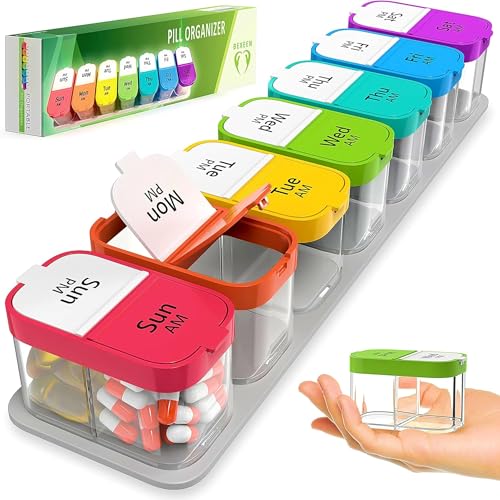
Extra Large Pill Organizer – Weekly Pill Box 7 Day AM PM for Big Vitamins & Supplements, Large Capacity Medication Dispenser with 7 Detachable Compartments, XL Pill Organizer 2 Times a Day
Finally Fits Everything – this extra large medicine pill organizer offers 80% more capacity than standard pill boxes…
As an affiliate, we earn on qualifying purchases.
As an affiliate, we earn on qualifying purchases.