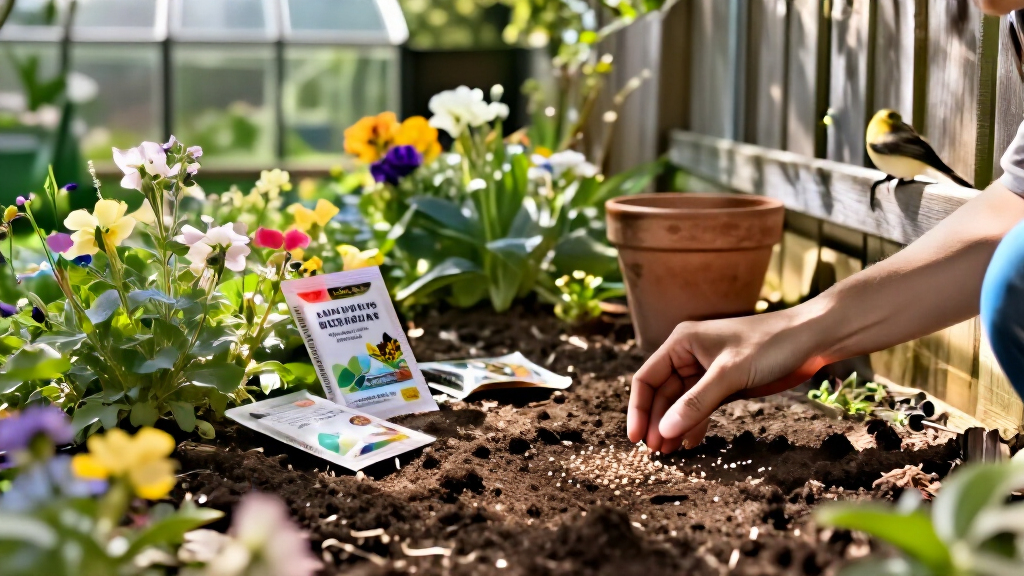

The best bird-friendly flower seeds do more than add color: they can attract insects birds feed on and produce seed some birds eat. My best overall pick is the Organo Republic 23-Variety Annual and Perennial Wildflower Seed Mix, which pairs a broad mix of flower types with both annual and perennial selections. For a focused pollinator garden, Mountain Valley Seed Co.’s 2-ounce mix stands out for its large stated seed count, while GevaGrow’s shaker is a practical choice for simpler sowing. The main tradeoffs are variety versus a more targeted mix, high seed counts versus clear information about what will grow in your region, and convenience versus control over placement. Read on for the full comparison and help matching a mix to your space.

Get garden gear delivered free with Prime
- Fast, free delivery on millions of items
- Prime Video, Amazon Music and more included
- Member-only deals all year
Complete the kit


Key Takeaways
- Mix diversity is the clearest all-around advantage: Organo Republic’s 23-variety annual and perennial mix gives buyers more seasonal and flower-type variety than single-species zinnias or narrower blends.
- A high seed count does not guarantee the best garden fit: Mountain Valley Seed Co.’s 2-ounce mix lists 80,000+ seeds, but site conditions and the mix’s suitability for your region matter more than the number alone.
- Zinnias offer a more controlled alternative: LUOJIBIE’s 6,500+ California Giant zinnia seeds trade a broad wildflower blend for one flower type and mixed colors.
- Bird-focused labeling varies across the lineup: GevaGrow explicitly names birds and butterflies, while many other mixes emphasize hummingbirds and butterflies; neither label alone confirms that flowers will supply seed for local birds.
- Pack size and sowing format serve different needs: Four-ounce blends suit larger planting areas, while one-ounce packets and the GevaGrow shaker may be easier to manage in small beds or containers.
| Organo Republic 23-Variety Annual and Perennial Wildflower Seed Mix, 4 oz |  | Best Overall for a Diverse, Bird-Friendly Patch | Seed varieties: 23+ | Seed count: 100,000+ | Weight: 4 oz | VIEW LATEST PRICE | See Our Full Breakdown |
| 15-Variety Wildflower Seed Mix, 5,000+ Non-GMO Seeds for Pollinators |  | Best for Sunny, Flexible Planting | Seed quantity: 5,000+ | Varieties: 15 | Seed type: Open-pollinated, non-GMO heirloom | VIEW LATEST PRICE | See Our Full Breakdown |
| LUOJIBIE California Giant Zinnia Seeds, 6,500+ Mixed Colors |  | Best Single-Flower Choice for Bold Blooms | Seed count: 6,500+ | Weight: 2.11 oz | Plant type: California giant zinnia | VIEW LATEST PRICE | See Our Full Breakdown |
| Sweet Yards Butterfly and Hummingbird Wildflower Seed Mix, 1 Ounce, 7,500+ Seeds |  | Best for a Tall, Broad-Coverage Planting | Seed quantity: 7,500+ | Packet size: 1 ounce | Species: 23 annual and perennial flower species | VIEW LATEST PRICE | See Our Full Breakdown |
| Hummingbird and Butterfly Wildflower Seed Mix, 1 Ounce |  | Best for Buyers Who Value a Growth Guarantee | Brand: Family Sown | Seed quantity: Over 7,500 | Packet size: 1 ounce | VIEW LATEST PRICE | See Our Full Breakdown |
| Mountain Valley Seed Co. Wildflower Seed Mix for Hummingbirds and Butterflies, 2 oz., 80,000+ Seeds |  | Best for a Diverse Pollinator Patch | Seed quantity: 80,000+ seeds | Package weight: 2 oz. | Flower varieties: 23 annual and perennial varieties | VIEW LATEST PRICE | See Our Full Breakdown |
| The Old Farmer’s Almanac Premium Wildflower Seeds, 23-Variety Pollinator Mix |  | Best for Named Flower Variety | Flower varieties: 23 | Seed type: Annual and perennial | Named varieties: Columbine, Cosmos, Foxglove, Larkspur, Poppy, Snapdragon, and Zinnia | VIEW LATEST PRICE | See Our Full Breakdown |
| Burpee Hummingbird and Butterfly Wildflower Seed Mix, 25,000 Non-GMO Seeds, 18 Varieties |  | Best for Large Sunny Areas | Seed count: 25,000 | Flower varieties: 18 | Coverage: Up to 1,000 sq. ft. | VIEW LATEST PRICE | See Our Full Breakdown |
| Seed Needs Hummingbird and Butterfly Wildflower Seed Mix, 1 Ounce |  | Best for Open-Pollinated Seed | Seed quantity: Approximately 15,000 seeds | Package weight: 1 ounce | Seed type: Annual and perennial mix; heirloom and open-pollinated varieties | VIEW LATEST PRICE | See Our Full Breakdown |
| Earth Science Butterfly & Hummingbird Wildflower Seed Blend, 4 oz |  | Best for Maximum Coverage | Seed quantity: Over 40,000 seeds | Package weight: 4 oz. | Coverage: Approximately 1,500 sq. ft. | VIEW LATEST PRICE | See Our Full Breakdown |
| Mountain Valley Seed Co. Hummingbird and Butterfly Wildflower Seed Mix |  | Best for Broad Pollinator Appeal | Seed varieties: 23 | Seed count: 100,000+ | Weight: 0.14 kg | VIEW LATEST PRICE | See Our Full Breakdown |
| GevaGrow Bird & Butterfly Wildflower Seed Mix Shaker |  | Best for Easy Seed Spreading | Seed count: 60,000+ | Seed types: Annual and perennial wildflowers | Included varieties: Sunflowers, callistephus, daisies, cosmos, forget-me-nots, and more | VIEW LATEST PRICE | See Our Full Breakdown |
| Burpee Perennial Wildflower Seed Mix, 25,000 Seeds, 18 Varieties |  | Best for Defined Coverage | Seed count: At least 25,000 | Varieties: 18 | Coverage: Up to 1,000 square feet | VIEW LATEST PRICE | See Our Full Breakdown |
| HOME GROWN 19-Variety Wildflower Seed Mix, 63,200+ Seeds, 4 oz |  | Best for Perennial Variety | Seed varieties: 19 | Seed count: 63,200+ | Package size: 4 oz | VIEW LATEST PRICE | See Our Full Breakdown |
| Groundio Wildflower Seed Mix, 1 oz, 24 Varieties |  | Best Compact Option | Seed varieties: 24 | Seed weight: 1 oz | Seed types: Annual, perennial, and biennial | VIEW LATEST PRICE | See Our Full Breakdown |
More Details on Our Top Picks
Organo Republic 23-Variety Annual and Perennial Wildflower Seed Mix, 4 oz
For gardeners who want a varied planting rather than a single flower type, this mix combines 23+ annual and perennial varieties with a stated 100,000+ seeds. Its broad mix is intended to attract birds along with bees and butterflies, giving it a wider wildlife focus than LUOJIBIE’s single-species zinnia pack. The listed spring-to-fall bloom period can also spread floral interest across more of the growing season, though results depend on local conditions.
The resealable, individually bagged packaging is handy if you plan to sow in stages or keep leftover seed. A tradeoff is the care requirement: it calls for moderate to regular watering, and its roughly 15-inch height may not provide the taller structure some bird-friendly gardens need. I’d choose it for variety and a modest-height mixed planting, not for a low-water site.
Pros:- More than 23 varieties provide a broader mix than a single-species seed pack.
- Stated quantity of 100,000+ seeds supports planting across multiple areas.
- Designed to attract birds as well as bees and butterflies.
- Non-GMO, heirloom seed in resealable, individually bagged packaging.
Cons:- Moderate to regular watering may be a poor fit for water-limited gardens.
- The listed height of about 15 inches offers less vertical structure than taller mixes.
- Bloom timing and height can vary with growing conditions.
Best for: Gardeners who want a broad mix of annuals and perennials to encourage birds and pollinators in beds or containers.
Not ideal for: Gardeners in dry sites or anyone seeking a tall, low-water planting, since the mix calls for regular watering and is listed at about 15 inches tall.
- Seed varieties:23+
- Seed count:100,000+
- Weight:4 oz
- Plant type:Annual and perennial wildflowers
- Seed type:Non-GMO, heirloom, non-hybrid
- Bloom period:Spring to fall
- Sun exposure:Partial sun
- Expected height:About 15 inches
Our verdict“Choose this mix for a varied, bird-conscious garden patch if you can provide regular water and do not need tall flowers.”
15-Variety Wildflower Seed Mix, 5,000+ Non-GMO Seeds for Pollinators
This mix makes sense for a sunny bed, border, slope, meadow, or container where you want a blend of flowers without committing to a large seed quantity. Its 15 open-pollinated varieties include sunflower, zinnia, cosmos, cornflower, and coneflower, giving buyers a clearer list of flower types than Family Sown’s mix, whose varieties are not specified. The blend is intended to attract pollinators, including hummingbirds, and its multiple planting uses make it adaptable to different garden layouts.
The main constraint is site selection: it calls for six or more hours of sun, so it is less suitable for shaded yards than Organo Republic’s partial-sun mix. Establishment also takes some attention, with gentle, regular watering while seedlings grow and a listed 20–30 day germination period. I’d pick it when the sunny location and patience are there; skip it for shade or a hands-off sowing plan.
Pros:- Lists 15 open-pollinated, non-GMO heirloom varieties.
- Names familiar flowers, including sunflower, zinnia, cosmos, and coneflower.
- Suitable for beds, borders, meadows, slopes, containers, and cut flowers.
- Provides a stated germination window of 20–30 days.
Cons:- Requires at least six hours of sun each day.
- Seedlings need regular gentle watering while they establish.
- The 5,000+ seed quantity is smaller than the large-count Organo Republic mix.
Best for: Gardeners with a sunny bed, border, slope, or container who want named flower varieties and flexible placement.
Not ideal for: People planting in partial shade or seeking a low-attention seed mix, since this option needs six-plus hours of sun and regular gentle watering during establishment.
- Seed quantity:5,000+
- Varieties:15
- Seed type:Open-pollinated, non-GMO heirloom
- Featured varieties:Sunflower, zinnia, cosmos, cornflower, coneflower, poppy, and red clover
- Sun requirements:6+ hours
- Planting depth:No deeper than 1/8 inch
- Germination period:20–30 days
- Suitable uses:Beds, borders, meadows, slopes, containers, and cut flowers
Our verdict“Choose this mix for a sunny, flexible planting area when named varieties matter more than a very large seed count.”
LUOJIBIE California Giant Zinnia Seeds, 6,500+ Mixed Colors
Unlike the mixed-species options in this roundup, this pack focuses on California giant zinnias in mixed colors. That narrower choice suits gardeners who want a consistent flower look and large blooms, rather than the range of flower shapes in Organo Republic’s 23-plus-variety blend. The pack contains 6,500+ open-pollinated, non-GMO seeds, and the flowers may draw birds and pollinators, although the listing does not identify particular bird species or explain what food the blooms provide.
The sealed bag is intended to help preserve seed freshness, and indoor or outdoor planting is listed. The tradeoff is limited guidance: planting and care instructions are not provided, making this a less supported choice than Sweet Yards, which includes instructions. Its year-round bloom claim also depends on growing conditions and should not be read as a guarantee. Choose it for a zinnia-focused display, not a diverse habitat planting.
Pros:- Focuses on large California giant zinnia blooms in mixed colors.
- Contains 6,500+ seeds in a bulk pack.
- Open-pollinated and non-GMO seed.
- Listed for indoor and outdoor planting.
Cons:- One flower type offers less variety than mixed-species options such as Sweet Yards.
- No specific planting or care instructions are provided.
- The claimed high germination rate is not quantified.
Best for: Gardeners who specifically want a large, mixed-color zinnia planting and are comfortable sourcing planting guidance separately.
Not ideal for: Bird gardeners seeking varied flower species or clear sowing directions, since this is a single-flower-type pack with no specific care instructions provided.
- Seed count:6,500+
- Weight:2.11 oz
- Plant type:California giant zinnia
- Color:Mixed
- Seed type:Open-pollinated, non-GMO
- Sun exposure:Partial sun
- Planting location:Indoor and outdoor
- Expected bloom period:Year round, as stated in product data
Our verdict“Pick this pack for a colorful zinnia display, but choose a mixed wildflower blend if habitat variety is your priority.”
Sweet Yards Butterfly and Hummingbird Wildflower Seed Mix, 1 Ounce, 7,500+ Seeds
Sweet Yards stands out for combining a stated 23 flower species with enough seed for about 100 square feet. Its listed height of up to four feet gives this mix more vertical presence than Organo Republic’s roughly 15-inch planting, which may suit gardeners building a taller, layered flower area. The heirloom mix is designed to attract butterflies, hummingbirds, bees, and other wildlife, so it offers a broad pollinator focus alongside its bird-friendly aim.
Planting instructions and reusable zipper packaging make leftover seed easier to store and the sowing process more approachable than LUOJIBIE’s instruction-free zinnia pack. The clear downside is its full-sun requirement; it is not the pick for a shaded bed. Moderate watering is also needed, and germination can vary. I’d choose it for a sunny, larger planting where height and coverage matter more than shade tolerance.
Pros:- Includes 23 annual and perennial flower species.
- Stated 7,500+ seed quantity covers about 100 square feet.
- Listed height of up to four feet can add vertical layers to a garden.
- Includes planting instructions and reusable zipper packaging.
Cons:- Requires full sun, limiting where it can be planted.
- Moderate watering is needed.
- Germination results may vary.
Best for: Gardeners with a full-sun area of up to about 100 square feet who want a tall, mixed-species planting and included sowing guidance.
Not ideal for: Gardeners with shady beds, limited planting space, or a preference for shorter flowers, since the mix calls for full sun and may reach four feet.
- Seed quantity:7,500+
- Packet size:1 ounce
- Species:23 annual and perennial flower species
- Coverage:About 100 square feet
- Bloom period:Spring to fall
- Sun exposure:Full sun
- Expected plant height:Up to 4 feet
- Soil and moisture:Adaptable to most soils; moderate watering
Our verdict“Choose Sweet Yards for a sunny, broad planting where mixed species, taller flowers, and clear instructions are priorities.”
Hummingbird and Butterfly Wildflower Seed Mix, 1 Ounce
This Family Sown mix is a straightforward choice for gardeners who want a 100-square-foot planting aimed at hummingbirds and butterflies, with blooms described as lasting through the season. Its stated quantity of more than 7,500 seeds is close to Sweet Yards’ 7,500-plus pack, but Family Sown adds a 30-day growth guarantee. That may appeal to first-time sowers who want a stated seller-backed assurance rather than relying on seed quantity alone.
The key compromise is transparency: the listing does not name the flower varieties, so you cannot compare its species mix with Sweet Yards’ 23 listed species or choose based on particular blooms. Planting instructions and reusable zipper packaging are included, but the germination claim is not quantified. I’d consider it when the guarantee and broad coverage matter more than knowing exactly what will grow; bird gardeners seeking a tailored habitat mix should pick a product with named varieties.
Pros:- More than 7,500 seeds are stated to cover about 100 square feet.
- Designed to attract hummingbirds and butterflies.
- Includes planting instructions and reusable zipper packaging.
- Seller offers a 30-day growth guarantee.
Cons:- Specific flower varieties are not listed, making the mix difficult to compare by species.
- High germination claims are not quantified.
- The listing provides less detail about growing conditions than Sweet Yards.
Best for: First-time wildflower gardeners who want stated coverage, included instructions, and a seller’s 30-day growth guarantee.
Not ideal for: Gardeners choosing seed by flower species or habitat needs, since the specific varieties are not listed.
- Brand:Family Sown
- Seed quantity:Over 7,500
- Packet size:1 ounce
- Coverage:About 100 square feet
- Intended wildlife:Hummingbirds and butterflies
- Bloom description:Blooms throughout the season
- Packaging:Reusable zipper packet with planting instructions
- Warranty:30-day growth guarantee
Our verdict“Choose Family Sown if you want broad coverage and a growth guarantee, but opt for Sweet Yards if named flower species matter more.”
Mountain Valley Seed Co. Wildflower Seed Mix for Hummingbirds and Butterflies, 2 oz., 80,000+ Seeds
For gardeners who want more than a single-species feeding stop, this mix pairs 23 annual and perennial varieties with flowers selected for hummingbirds, butterflies, bees, and other pollinators. Its stated 250-square-foot coverage suits a defined bed or several smaller sunny areas, while the resealable package makes it easier to store leftover seed. Compared with Burpee’s 18-variety mix, Mountain Valley offers more listed varieties but covers far less ground than Burpee’s stated maximum of 1,000 square feet. That makes this a better fit for a varied, contained planting than a broad meadow. The tradeoff is a full-sun requirement and a slower start: spring germination is listed at 20–30 days, so it won’t provide instant color or quick bird activity.
Pros:- Includes 23 annual and perennial flower varieties
- Selected to attract hummingbirds, butterflies, bees, and other pollinators
- Stated coverage of approximately 250 square feet
- Non-GMO seed in a resealable package
Cons:- Requires full sun
- Spring germination may take 20–30 days
- Covers substantially less area than Burpee’s stated maximum of 1,000 square feet
Best for: Gardeners with a sunny 250-square-foot bed who want a broad mix of flowers to support hummingbirds and other pollinators.
Not ideal for: People planting a large meadow or a shaded garden; the coverage is limited compared with Burpee’s mix, and full sun is required.
- Seed quantity:80,000+ seeds
- Package weight:2 oz.
- Flower varieties:23 annual and perennial varieties
- Coverage:Approximately 250 sq. ft.
- Sunlight:Full sun
- Expected plant height:48 inches
- Planting:Direct sow after the last frost
- Spring germination:20–30 days
Our verdict“Choose Mountain Valley for a varied, manageable sunny patch; choose Burpee instead when covering a much larger area matters more.”
This mix stands out for gardeners who want to know which flowers are in the blend: the listed varieties include Columbine, Cosmos, Foxglove, Larkspur, Poppy, Snapdragon, and Zinnia. Those named annual and perennial flowers offer a more concrete planting picture than Seed Needs’ broadly described mix of colors and flower types. Both blends target hummingbirds and other pollinators, but The Old Farmer’s Almanac specifies a summer-to-fall bloom period, making it a clearer match for gardeners planning late-season color. Its 23 varieties give the bed variety, though the product details do not state seed count, coverage, plant height, or watering needs. That missing planning information makes it harder to estimate how much area one packet will fill than with Mountain Valley, which lists approximately 250 square feet.
Pros:- Lists 23 annual and perennial flower varieties
- Names familiar flowers including cosmos, poppy, snapdragon, and zinnia
- Targets hummingbirds, butterflies, bees, and other pollinators
- Non-GMO and open-pollinated seed
Cons:- Coverage area and seed quantity are not specified
- Full sun is required
- Listed bloom period begins in summer rather than spring
Best for: Gardeners who value a named flower selection and want annual and perennial pollinator plants for a sunny summer-to-fall display.
Not ideal for: Buyers who need a stated seed count or coverage area to plan a large planting; those details are not provided here.
- Flower varieties:23
- Seed type:Annual and perennial
- Named varieties:Columbine, Cosmos, Foxglove, Larkspur, Poppy, Snapdragon, and Zinnia
- Sunlight:Full sun
- Expected bloom period:Summer to fall
- Seed status:Non-GMO, open-pollinated
- Pollinators:Butterflies, hummingbirds, bees, and other pollinators
Our verdict“Pick this mix when named flower varieties and summer-to-fall blooms matter more than a clearly stated coverage estimate.”
Burpee Hummingbird and Butterfly Wildflower Seed Mix, 25,000 Non-GMO Seeds, 18 Varieties
Burpee is the area-coverage pick: its stated reach of up to 1,000 square feet is far beyond Mountain Valley’s approximately 250 square feet, making it more practical for a broad sunny patch. The mix has 18 annual and perennial varieties, including cosmos, zinnia, milkweed, and California poppy, and is listed to bloom from spring through fall. That longer stated season gives it an advantage over The Old Farmer’s Almanac mix, whose bloom window is summer to fall. The tradeoff is that the 1,000-square-foot figure is a maximum, not a guarantee of dense flowers across every site; preparation and growing conditions still matter. Burpee also calls for moist soil during the first few weeks, so it suits gardeners able to keep a large sowing watered while it establishes.
Pros:- Stated coverage of up to 1,000 square feet
- Includes 18 annual and perennial varieties
- Listed bloom period runs from spring through fall
- Includes cosmos, zinnia, milkweed, and California poppy
Cons:- Requires full sun
- Soil should stay moist during the first few weeks
- Its 18 varieties are fewer than the 23 in Mountain Valley and The Old Farmer’s Almanac mixes
Best for: Gardeners sowing a large, sunny outdoor area who can water the planting regularly during establishment.
Not ideal for: People with limited sunny space or little time for early watering; the stated coverage is large, and the seedbed needs moisture during its first weeks.
- Seed count:25,000
- Flower varieties:18
- Coverage:Up to 1,000 sq. ft.
- Seed type:Non-GMO annual and perennial wildflowers
- Named varieties:Cosmos, zinnia, milkweed, and California poppy
- Sunlight:Full sun
- Expected bloom period:Spring to fall
- Expected plant height:65 centimeters
- Moisture needs:Moderate; keep soil moist during the first few weeks
Our verdict“Choose Burpee for broad sunny coverage and a stated spring-to-fall bloom window, provided you can water the seedbed as it establishes.”
Seed Needs Hummingbird and Butterfly Wildflower Seed Mix, 1 Ounce
Seed Needs is a compact choice for gardeners who prioritize heirloom, open-pollinated varieties and want a mix aimed at hummingbirds alongside butterflies, bees, and ladybugs. The packet contains approximately 15,000 seeds with no added fillers, a useful count for planning smaller sowings, though it does not state a coverage area. Compared with Burpee, which lists up to 1,000 square feet and a spring-to-fall bloom window, Seed Needs is a smaller-format option with summer-to-fall blooms and more demanding establishment care. Its instructions call for daily watering, so it is better suited to a gardener who can tend the bed consistently than to someone sowing a low-maintenance meadow. The stated height of 36 inches also makes it a shorter option than Mountain Valley’s listed 48 inches.
Pros:- Approximately 15,000 seeds with no added fillers
- Includes heirloom and open-pollinated varieties
- Targets hummingbirds, butterflies, bees, and ladybugs
- Listed for USDA hardiness zones 1–10
Cons:- Requires daily watering during establishment
- Coverage area is not specified
- Tender perennial varieties may not persist in all climates
Best for: Gardeners seeking a small packet of heirloom, open-pollinated flower seed for a sunny bed and able to water daily during establishment.
Not ideal for: Large-area sowers or gardeners unable to water every day while the seeds establish; no coverage area is listed, and tender perennials may not persist in every climate.
- Seed quantity:Approximately 15,000 seeds
- Package weight:1 ounce
- Seed type:Annual and perennial mix; heirloom and open-pollinated varieties
- Sunlight:Full sun
- Expected bloom period:Summer to fall
- Expected plant height:36 inches
- USDA hardiness zones:1–10
- Moisture needs:Water daily
Our verdict“Choose Seed Needs for an open-pollinated, smaller-scale planting if daily establishment watering fits your routine.”
Earth Science Butterfly & Hummingbird Wildflower Seed Blend, 4 oz
Earth Science is the clear scale pick in this group, with over 40,000 seeds and stated coverage of approximately 1,500 square feet—more than Burpee’s maximum of 1,000 square feet. Its named flowers include purple coneflowers, cosmos, Shasta daisies, sweet Williams, and black-eyed Susans, giving buyers a better sense of the planting than a variety count alone. The blend is described as attracting hummingbirds and other pollinators, and it can be planted outdoors in spring or fall. That broad coverage comes with practical limits: the listed hardiness range is USDA zones 4–9, narrower than Seed Needs’ zones 1–10, and the bed needs daily watering for its first two weeks. Full sun is also recommended, so this is not a flexible choice for shaded yards.
Pros:- Over 40,000 seeds with stated coverage of approximately 1,500 square feet
- Names flowers including purple coneflowers, cosmos, Shasta daisies, and black-eyed Susans
- Non-GMO blend selected to attract hummingbirds and other pollinators
- Can be planted outdoors in spring or fall
Cons:- Listed for USDA hardiness zones 4–9
- Requires daily watering for the first two weeks
- Full sun is recommended
Best for: Gardeners in USDA zones 4–9 who want to seed a large, sunny area and can water it daily for the first two weeks.
Not ideal for: Gardeners outside zones 4–9, those with shaded planting sites, or anyone unable to keep a broad new sowing watered during establishment.
- Seed quantity:Over 40,000 seeds
- Package weight:4 oz.
- Coverage:Approximately 1,500 sq. ft.
- Named varieties:Purple coneflowers, cosmos, Shasta daisies, sweet Williams, and black-eyed Susans
- Blooming period:Spring to fall
- Sunlight:Full sun
- USDA hardiness zones:4–9
- Planting period:Spring or fall
- Moisture needs:Daily watering for the first two weeks; then as needed
Our verdict“Choose Earth Science for the largest stated coverage here if your climate is within zones 4–9 and you can manage early watering.”
Mountain Valley Seed Co. Hummingbird and Butterfly Wildflower Seed Mix
For gardeners who want a varied planting with an explicit draw for hummingbirds as well as butterflies, this mix pairs 23 non-GMO varieties with more than 100,000 seeds. Milkweed, columbine, cosmos, zinnia, and nasturtium offer a broader mix of flower types than the more focused perennial selection in Burpee Perennial Wildflower Seed Mix. Some perennial plants may return in later seasons, while the mix is also designed to bring pollinators to the garden. The large seed count suits filling a generous sunny bed, but it does not specify area coverage, so I would not treat the count alone as a reliable measure of how much ground it will fill. Full sun and moderate watering are required, and seasonal substitutions mean the exact varieties may change.
Pros:- More than 100,000 seeds across 23 non-GMO varieties
- Includes milkweed, columbine, cosmos, zinnia, and nasturtium
- Designed to attract hummingbirds and butterflies
- Includes perennials that may return in later seasons
Cons:- Seasonal substitutions may change the varieties included
- Requires full sun and moderate watering
- No coverage area is stated, making bed planning less precise
Best for: Gardeners with a sunny outdoor bed who want a large, varied mix intended to attract both hummingbirds and butterflies.
Not ideal for: Gardeners who need a fixed variety list, shade-tolerant flowers, or a stated coverage area for precise planting.
- Seed varieties:23
- Seed count:100,000+
- Weight:0.14 kg
- Example varieties:Milkweed, columbine, cosmos, zinnia, and nasturtium
- Sunlight:Full sun
- Planting period:Summer
- Water needs:Moderate
- Seed status:GMO-free
Our verdict“Choose this mix for variety and broad pollinator appeal in a sunny garden, but skip it if you need a guaranteed seed list or exact coverage.”
GevaGrow Bird & Butterfly Wildflower Seed Mix Shaker
The standout here is the shaker format: it gives gardeners a straightforward way to scatter a mix of annual and perennial flowers without handling a loose pile of seed. Its 60,000+ seeds include sunflowers, daisies, cosmos, and forget-me-nots, and the blend is intended to draw birds as well as bees and butterflies. Compared with the much larger Mountain Valley Seed Co. mix, GevaGrow offers a more manageable seed count and a built-in dispersal aid rather than emphasizing volume. That convenience has limits: the planting guidance calls for preparing the area and mixing seeds with sand for even coverage, so the shaker does not remove the need for careful sowing. It also needs full sun, and the supplied soil preference is sandy.
Pros:- Shaker packaging makes scattering seed more convenient
- Includes both annual and perennial wildflowers
- Organic and non-GMO
- Designed to attract birds, bees, and butterflies
Cons:- Full-sun planting is required
- Instructions call for area preparation and mixing with sand for even coverage
- Sandy soil is the stated soil type, which may limit fit for some garden sites
Best for: New gardeners planting a prepared, sunny area who want a shaker-style package and a mix of annual and perennial flowers.
Not ideal for: Gardeners with shady plots, unprepared ground, or a preference for a clearly stated range of suitable soil types.
- Seed count:60,000+
- Seed types:Annual and perennial wildflowers
- Included varieties:Sunflowers, callistephus, daisies, cosmos, forget-me-nots, and more
- Sunlight:Full sun
- Planting period:Spring
- Soil type:Sandy soil
- USDA hardiness zone:3
- Material features:Organic and gluten-free
Our verdict“Pick GevaGrow if easy scattering matters and you can prepare a sunny planting area; its shaker is less useful if you want to sow without extra preparation.”
Burpee Perennial Wildflower Seed Mix, 25,000 Seeds, 18 Varieties
Burpee is the clearest choice in this group for gardeners who want a stated planting area: its 25,000+ seeds are listed to cover up to 1,000 square feet. The 18-variety mix includes coneflower, yarrow, and black-eyed Susan, with a perennial focus and some annual varieties. Compared with HOME GROWN’s 19-variety perennial mix, Burpee gives a specific coverage figure but fewer listed varieties; it also names USDA zones 4–10, while HOME GROWN lists zones 3–10. Blooms are expected from spring to fall and the planting is intended to attract bees and butterflies, supporting a garden that offers pollinator forage across the season. The tradeoff is establishment care: seedlings need consistent moisture during their first weeks, and full sun is required.
Pros:- Lists coverage of up to 1,000 square feet
- Includes 18 varieties, including coneflower, yarrow, and black-eyed Susan
- Perennial-focused mix with some annual varieties
- Non-GMO seeds intended to attract bees and butterflies
Cons:- Requires full sun
- Seedlings need consistent moisture during the first few weeks
- Listed hardiness range is narrower than HOME GROWN’s zones 3–10
Best for: Gardeners planning a large, sunny pollinator area who want a stated coverage figure and a perennial-leaning mix.
Not ideal for: Gardeners in USDA zones outside 4–10, shady yards, or sites where young seedlings cannot receive consistent moisture.
- Seed count:At least 25,000
- Varieties:18
- Coverage:Up to 1,000 square feet
- Plant type:Perennial mix with some annual varieties
- Sunlight:Full sun
- Bloom period:Spring to fall
- USDA hardiness zones:4–10
- Seed status:Non-GMO
Our verdict“Choose Burpee when a defined coverage figure and a perennial-leaning mix matter more than having the largest variety count.”
HOME GROWN 19-Variety Wildflower Seed Mix, 63,200+ Seeds, 4 oz
HOME GROWN suits gardeners who want a 19-variety perennial mix and a broad stated hardiness range of zones 3–10. Its 63,200+ seeds include purple coneflower, Shasta daisy, and black-eyed Susan, with blooms expected from spring through fall once established. Compared with Burpee Perennial Wildflower Seed Mix, HOME GROWN lists one more variety and extends the stated zone range, but Burpee provides a coverage estimate of up to 1,000 square feet that HOME GROWN does not. The biggest practical compromise is patience: perennial flowers may not bloom until their second year, so this is a poor fit for anyone expecting quick color from the whole planting. Full sun and moderate watering are also part of the growing requirements.
Pros:- Includes 19 perennial wildflower varieties
- Lists USDA hardiness zones 3–10
- Contains 63,200+ seeds in a 4-ounce package
- Designed to attract pollinators, with spring-to-fall blooms after establishment
Cons:- Some perennial flowers may not bloom until the second year
- Requires full sun and moderate watering
- Does not state a coverage area for planning the planting
Best for: Gardeners in zones 3–10 who want a multi-variety perennial planting and can wait for flowers to establish.
Not ideal for: Gardeners seeking first-season color, a specified coverage area, or flowers for a partly shaded site.
- Seed varieties:19
- Seed count:63,200+
- Package size:4 oz
- Plant type:Perennial wildflowers
- Sunlight:Full sun
- Bloom period:Spring to fall
- USDA hardiness zones:3–10
- Planting period:Spring or fall
Our verdict“Pick HOME GROWN for a varied perennial planting across a broad stated zone range, provided you can wait for it to establish.”
Groundio Wildflower Seed Mix, 1 oz, 24 Varieties
Groundio is the most compact choice here for gardeners who want a defined small-scale planting rather than a large bulk mix. The 1-ounce package contains 24 annual, perennial, and biennial varieties and lists coverage of about 194 square feet, making its planting scale easier to judge than HOME GROWN’s, which gives no coverage figure. Groundio also provides practical timing estimates: germination in about 5–10 days and blooms in roughly 35–75 days. Those figures offer a clearer planning guide, though they are not a promise of identical results at every site. The mix is intended to attract pollinators such as butterflies and bees, but the description does not specifically identify birds. Full sun and spring or summer planting narrow its fit.
Pros:- 24 annual, perennial, and biennial flower varieties
- Lists coverage of about 194 square feet
- Includes germination and bloom timing estimates
- Resealable, moisture-resistant packaging with planting instructions
Cons:- The description highlights butterflies and bees rather than birds specifically
- Requires full sun and spring or summer planting
- Bloom timing may take 35–75 days
Best for: Gardeners sowing a modest sunny patch who want a stated coverage area, mixed life cycles, and planting instructions.
Not ideal for: Gardeners seeking a bird-specific seed mix, a large bulk supply, or a planting option for shade or outside spring and summer.
- Seed varieties:24
- Seed weight:1 oz
- Seed types:Annual, perennial, and biennial
- Coverage:About 194 square feet
- Plant height:12–48 inches
- Germination time:About 5–10 days
- Bloom period:About 35–75 days
- Planting season:Spring and summer
Our verdict“Choose Groundio for a compact, coverage-defined pollinator patch, but look elsewhere if attracting birds is your main goal.”
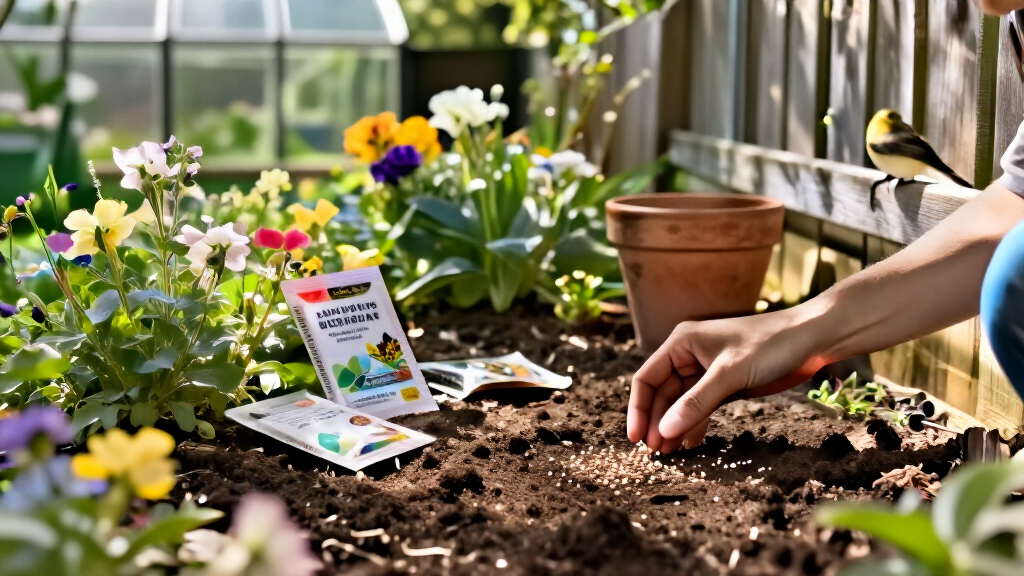
How We Picked
I compared the 15 products on the details provided: stated variety, annual or perennial mix information, seed quantity and pack size, intended pollinator audience, and sowing format. For a bird-friendly roundup, I gave weight to mixes that could support a range of flowering plants and to descriptions that explicitly include birds, while treating pollinator-focused labeling as a useful clue rather than proof of bird food value. I also looked at how well each option fits different garden sizes and how much control the buyer gets over the flowers planted.
The ranking favors breadth and practical flexibility first, then specialized use cases such as high seed counts, beginner-friendly dispensing, or a single flower type. Products with similar pollinator-focused claims are separated by their mix details, quantity, and format—not by unsupported assumptions about germination, regional suitability, or wildlife results. The listing information does not provide full species lists or regional planting guidance for every product, so I treat those as details buyers should verify before sowing.
Factors to Consider When Choosing Best Bird-friendly Flower Seeds
Choosing seeds for birds takes more thought than picking a colorful pollinator blend. I’d match the mix to the food and shelter your garden can realistically provide, then check whether its species and planting instructions fit your site.
Look for more than a bird-friendly label
A bird-friendly claim can refer to flowers that attract insects, flowers that later produce edible seed, or simply a garden designed to support wildlife. Those benefits are not interchangeable. Read the species list and look for plants that suit the birds you hope to attract, rather than assuming a hummingbird-and-butterfly blend will feed seed-eating birds. Flowering plants can also support insects that many birds eat, which may matter more than seed production for some species. If a listing does not identify its flowers, ask the seller or choose a mix with a clearer composition.
Match the mix to your region and growing conditions
Wildflower mixes can contain species that behave differently across climates, soils, and moisture levels. A packet labeled for pollinators is not automatically suited to your local conditions, and a poor site match can leave gaps even when the seed count is large. Check the species against local growing guidance and confirm whether the mix is appropriate for your region before planting. Consider sunlight, drainage, and water access, since these shape which plants establish. A smaller, suitable mix can be a better choice than a larger packet of poorly matched seeds.
Decide whether annuals, perennials, or both fit your plans
Annuals can bring flowers in a single growing season, while perennials may take longer to settle in and can return in later years under suitable conditions. A blend with both types can spread flowering opportunities across seasons, but it may not produce an evenly timed display in every garden. If you need fast color, check how much of the mix is annual; if you want a longer-term planting, confirm the perennial species and their expected conditions. Avoid treating “perennial mix” as a guarantee that every plant will return. Your local climate and care still matter.
Choose seed quantity by planting area, not headline count
Seed counts can look impressive, but they do not tell you how much ground a packet covers or how densely to sow it. Seed size and the supplier’s recommended sowing rate affect coverage, so compare packet weight and planting directions as well as the count. Too much seed in a small bed can crowd young plants; too little can leave bare patches. For a large area, a four-ounce option may be easier to plan around than several small packets, but only if its mix suits the site. Measure the space first and use the package rate to estimate what you need.
Think about how much control you want while sowing
A mixed seed blend spreads several flower types across one planting, which is convenient but gives you less control over where each species grows. A single-flower option such as zinnia seed makes it easier to plan a more uniform bed, though it offers less botanical variety. A shaker can simplify distribution in open spaces, but it may be less precise around existing plants or narrow borders. Beginners often benefit from marking the planting area and dividing seed into smaller portions before sowing. That simple step reduces accidental over-seeding and makes it easier to cover the space evenly.
Plan for a wildlife garden beyond the flowers
Seeds alone cannot provide everything birds need. A garden with staggered flowering, suitable shrubs or other shelter, and a reliable water source can offer more than a short burst of blooms. Leaving some seed heads standing after flowering may give birds a chance to feed, though it can look untidy and may not suit every garden. Check local guidance before planting unfamiliar species, and avoid assuming every wildflower mix is appropriate near natural areas. If a neat appearance matters, reserve part of the planting for seed heads and deadhead the rest.
Frequently Asked Questions
Do butterfly and hummingbird seed mixes also feed seed-eating birds?
Not necessarily. Those labels usually describe the pollinators the flowers are intended to attract, not the birds that will eat the seeds. Some flowers may later produce seeds for birds, while others may chiefly support insects that birds consume. Check the mix’s species list and learn what those plants provide after blooming. If the listing gives no species details, treat its bird-food value as uncertain rather than assuming the label confirms it.
Should I choose a high seed count or a more diverse mix?
Choose based on the planting area and the outcome you want, not the largest number on the packet. High counts can help cover a larger space, but they do not show how many distinct flower types are included or whether those plants fit your site. A diverse blend can offer more variety, though it may be harder to predict where each flower will appear. Compare the stated coverage rate, seed list, and growing conditions together. For a small garden, a suitable mix is usually more useful than surplus seed.
Are perennial wildflower seeds better for a bird-friendly garden?
Perennials can support a planting that returns over time, but they are not automatically better for wildlife or easier to establish. Many need the right climate and growing conditions, and some take time to flower. Annuals can provide flowers sooner, though they may need replanting to repeat the display. A blend of both can spread the effort and flowering period, but check which species are included. Choose according to your patience, local conditions, and whether you want a lasting planting or a quick seasonal display.
Can I sow a wildflower seed mix in containers?
Some mixes can grow in containers, but the packet’s plant types and growing instructions should guide your choice. A large blend may include plants that need more root room or space than a pot offers. A smaller, more controlled planting—such as a single-flower option—can be easier to manage in a container, though it provides less variety. Use a pot with drainage and place it where the chosen plants receive suitable light. Do not assume that a packet’s seed count is a container planting rate.
Should I leave flower heads standing after they bloom?
Leaving some seed heads can give birds access to seeds and allow a more natural garden cycle. The benefit depends on the flower species and whether it produces seeds local birds use. Standing stems can also look untidy, and some gardens may need tidying for appearance or plant health. A practical compromise is to leave a portion of the bed standing through the season and remove the rest as needed. Check local advice before allowing unfamiliar plants to set seed.
Conclusion
For the broadest mix in this lineup, I’d start with Organo Republic’s 23-variety annual and perennial blend as the best overall choice. Buyers who want a large stated seed count can compare it with Mountain Valley Seed Co.’s 2-ounce mix, while HOME GROWN’s 19-variety, 4-ounce blend is a reasonable value-oriented option for a larger planting area, subject to checking its coverage instructions. For beginners, GevaGrow’s shaker offers a simpler way to distribute seeds; for a more uniform flower bed, choose LUOJIBIE’s California Giant zinnias. I’d reserve the premium pick for shoppers who prioritize a broad, clearly described mix over sheer quantity, and I’d verify the species list and regional fit before committing to any packet. The right choice is the one that fits your garden first and your wildlife goals second—not simply the one with the biggest number on the label.