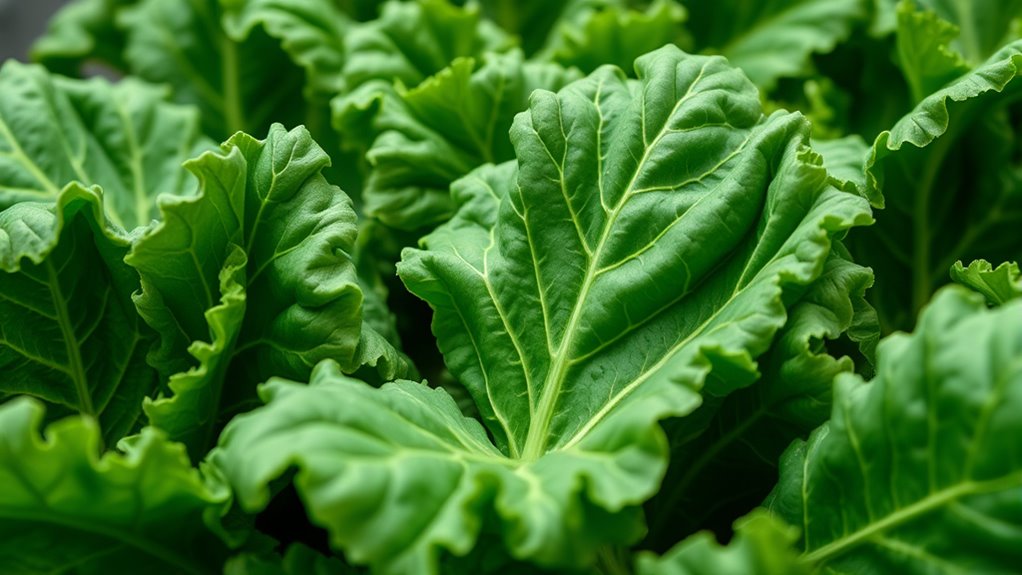

Hydroponic kale provides you with fresh, nutrient-packed leaves perfect for smoothies and meals. Since it’s grown in a controlled environment, you get consistent harvests year-round, making it easy to add vibrant greens to your diet anytime. The plants are easier to harvest and free from soil pests, ensuring high-quality produce. Want to discover simple smoothie ideas and tips for maximizing your kale’s nutritional benefits? Keep exploring to enhance your healthy options.

Get garden gear delivered free with Prime
- Fast, free delivery on millions of items
- Prime Video, Amazon Music and more included
- Member-only deals all year
Key Takeaways
- Hydroponic kale produces fresh, nutrient-dense leaves ideal for smoothies and salads.
- Regular harvesting of mature leaves ensures continuous supply of nutrient-packed greens.
- The controlled environment minimizes pests and contaminants, enhancing leaf quality for raw consumption.
- Kale’s rich vitamins and antioxidants boost smoothie nutritional value and overall health benefits.
- Use fresh hydroponic kale leaves directly in smoothies for vibrant flavor and maximum nutrient retention.
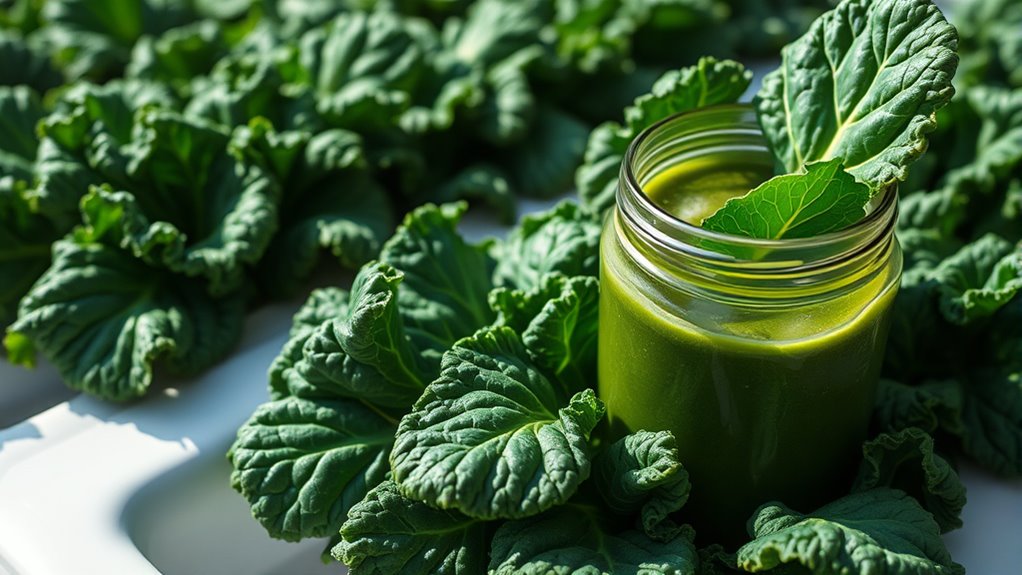
Have you ever wondered how you can grow fresh, nutritious kale without soil? Hydroponic systems make this possible, giving you a clean, efficient way to cultivate leafy greens indoors or outdoors. Unlike traditional farming, hydroponic kale grows in nutrient-rich water solutions, which means you have complete control over what your plants receive. This method minimizes soil-borne pests and diseases, but it also requires attention to pest management strategies to keep your kale healthy and thriving. Since soil isn’t involved, pests like aphids or beetles are less common, but you should still regularly inspect your plants and consider integrated pest management techniques. Introducing beneficial insects or using organic sprays when necessary can prevent infestations before they damage your crop. Maintaining a clean environment and monitoring plant health are key to avoiding pest problems and reducing the need for chemical interventions. Proper nutrient balance is essential for optimal plant growth and maximizing yields in hydroponic systems.
When it comes to harvesting your hydroponic kale, timing is everything. You want to pick the leaves at their peak freshness and nutritional value. Typically, you can start harvesting when the leaves reach about 6-8 inches in height. Use sharp scissors or pruning shears to snip the outer, mature leaves first, leaving the central crown to continue growing. This technique ensures a continuous harvest and encourages new leaf development. Harvesting techniques like this not only prolong your kale’s productive life but also help maintain plant health. Be sure to handle the leaves gently to avoid bruising, which can lead to faster spoilage. Once harvested, rinse the leaves thoroughly to remove any residual nutrients or potential contaminants, especially if you’re planning to use them in salads or smoothies. Proper harvesting and handling techniques are essential for maintaining the quality and nutrient content of your kale.
Growing hydroponic kale also simplifies the process of harvesting. Since your plants are in a controlled environment, you can easily access the leaves without disturbing the roots or other plants. This ease of access allows you to harvest regularly, ensuring a steady supply of fresh greens. Plus, because you’re not limited by seasonal changes or soil quality, you can enjoy kale year-round. The combination of pest management and precise harvesting techniques makes hydroponic kale a sustainable, reliable source of nutritious greens. It’s a rewarding way to incorporate nutrient-packed leaves into your diet—whether you’re tossing them into salads, adding them to sandwiches, or blending them into smoothies. With a bit of care and attention, you’ll enjoy a continuous harvest of vibrant, fresh kale that’s as healthy as it is delicious.
As an affiliate, we earn on qualifying purchases.
Frequently Asked Questions
How Long Does It Take for Hydroponic Kale to Mature?
You can expect hydroponic kale to reach maturity in about 45 to 55 days, depending on your growth rate and environmental conditions. Keep an eye on the leaves; they should be tender and vibrant when ready for harvesting. The harvesting timeline varies slightly based on your setup, but generally, you’ll see lush, full leaves by this period. Regular care ensures favorable growth and a quicker harvest.
What Are Common Pests in Hydroponic Kale Cultivation?
Imagine your lush kale leaves under siege by sneaky pests like aphids, whiteflies, and spider mites. You need to stay vigilant with pest management, catching infestations early before they spread like wildfire. Organic treatments, such as neem oil or insecticidal soap, act as your gentle yet effective shield. Regular inspection keeps your hydroponic kale thriving, ensuring your greens stay vibrant, healthy, and free from harmful pests.
Can Hydroponic Kale Be Grown Year-Round Indoors?
Yes, you can grow hydroponic kale year-round indoors. You just need proper indoor lighting, like LED grow lights, to mimic sunlight and keep your plants healthy. Make certain you use nutrient solutions tailored for leafy greens to promote growth and flavor. With consistent care, controlled temperature, and humidity, your kale will thrive indoors regardless of the season, providing fresh, nutrient-packed leaves whenever you want.
What Is the Ideal Ph Level for Hydroponic Kale?
You should aim to keep the pH level for hydroponic kale between 6.0 and 6.5. Regular pH monitoring helps you maintain the right nutrient balance, preventing deficiencies or toxicities. By checking the pH often, you guarantee your kale absorbs nutrients effectively, promoting healthy growth. Keeping the pH within this range creates ideal conditions, allowing your kale to flourish indoors year-round.
How Frequently Should Hydroponic Kale Be Harvested?
You should harvest hydroponic kale every 2-3 weeks to promote healthy leaf regeneration. Don’t wait too long, as overharvesting can weaken the plant, but timely harvesting encourages new growth. Regular harvests keep your kale lush and productive, ensuring a continuous supply of nutrient-packed leaves. By maintaining this harvest frequency, you support the plant’s health and maximize your yield, making your hydroponic setup both efficient and rewarding.
indoor hydroponic vegetable garden kit
As an affiliate, we earn on qualifying purchases.
As an affiliate, we earn on qualifying purchases.
Conclusion
Now that you know how hydroponic kale packs a nutritional punch and offers versatile smoothie options, why not give it a try in your own kitchen? With its fresh, nutrient-rich leaves growing effortlessly indoors, you’re just a blend away from a healthier lifestyle. Isn’t it time you embraced this superfood’s convenience and flavor? Start experimenting today, and enjoy the vibrant, wholesome benefits that hydroponic kale can bring to your daily routine.
hydroponic kale nutrient solution
As an affiliate, we earn on qualifying purchases.
As an affiliate, we earn on qualifying purchases.
As an affiliate, we earn on qualifying purchases.
Halloween Picks
halloween
As an affiliate, we earn on qualifying purchases.