TL;DR

Get garden gear delivered free with Prime
- Fast, free delivery on millions of items
- Prime Video, Amazon Music and more included
- Member-only deals all year
Gardening Know How recommends double-flowered coneflowers as a perennial alternative for gardeners who like zinnias’ bold color and full blooms. The report says established coneflowers can return in suitable conditions, and their seedheads may provide food for birds; it does not identify a particular cultivar or document bird use.
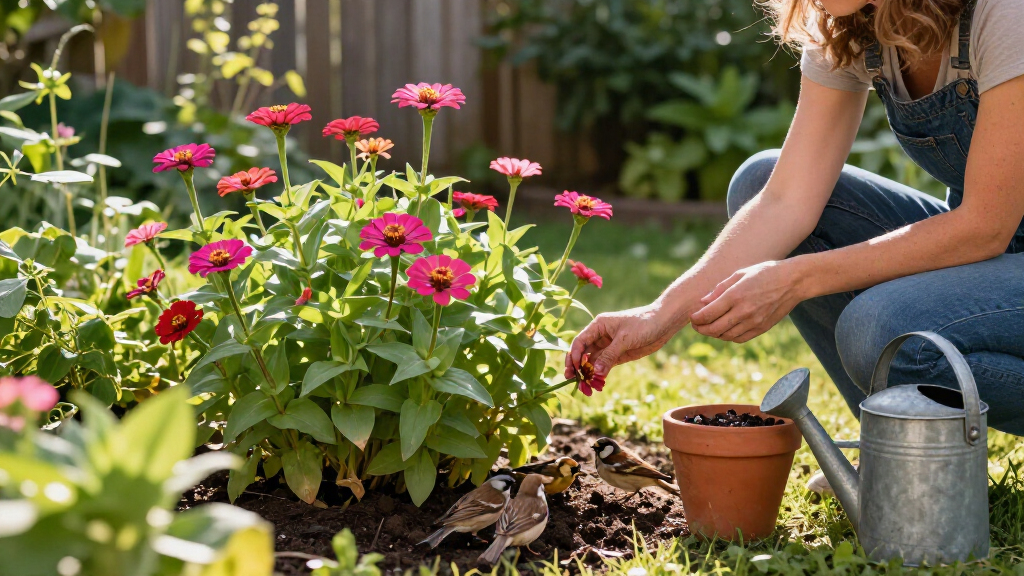
Gardening Know How has named double coneflowers as a perennial alternative to annual zinnias, saying their layered, rounded blooms can deliver a similarly bold display while returning in suitable conditions. The report also says their seedheads can be left through fall and winter, when birds may use the seeds.
The report’s recommendation is based on appearance and garden habit, not a claim that the plants are identical. Some double-flowered coneflowers have multiple layers of petals and rounded centers, giving them a fuller look than the familiar single-flowered coneflower. Planted in a substantial clump, they can create a dense, colorful effect that the author compares with a bed of zinnias.
The main difference is the plants’ life cycle. Zinnias are annuals, so gardeners generally need to sow or plant them again each year to repeat the display. Coneflowers are perennials; according to the report, they can return after establishment in a suitable location, and the clump may become more impressive as it matures. The article does not give a guaranteed return schedule or promise the same result in every garden.
For growing conditions, Gardening Know How describes coneflowers as a good fit for a sunny position with well-drained soil and says established plants can tolerate periods of dry weather. It also points to the seedheads as an autumn and winter feature: leaving them standing adds structure after flowering, and birds may feed on the seeds. The report does not identify which bird species visit or quantify how often they do so.
A Return Visit Without Annual Replanting
The practical appeal is that gardeners who want a bold flower bed may not need to start from scratch each spring to keep a similar sense of abundance. A perennial clump can return in later seasons once established, reducing the repeated sowing or planting associated with annual zinnias. That is a possible labor-saving benefit, not a guarantee that coneflowers require no care.
The recommendation also connects ornamental planting with seasonal garden habitat. Instead of cutting every flower stalk down as blooms fade, gardeners can leave seedheads standing into colder months. The report says birds may use the seeds, while the remaining stems add visible structure. The value to wildlife will depend on the plants, local birdlife and conditions; the article provides no measured ecological findings.
Double coneflowers are not a full substitute for every feature of zinnias. The source notes that zinnias offer broad color choices, work well as cut flowers and can produce many blooms in one season. Gardeners choosing between them may weigh repeat growth and winter seedheads against annual flexibility and cutting use.
As an affiliate, we earn on qualifying purchases.
How the Two Flowers Differ
The report is a gardening recommendation rather than a new scientific study or announcement of a newly released plant. Its author says they like zinnias but wanted a perennial with some of the same qualities: large, colorful and abundant-looking flowers. Double coneflowers are presented as a close visual match, not as a botanical replacement for zinnias.
The source stresses that coneflowers vary in appearance. A gardener expecting only a simple daisy-like bloom may be surprised by newer double forms with dense petals and rounded centers. It does not name one specific variety as the best choice, and its references to available products do not establish that all varieties share the same flower form, hardiness or performance.
Its advice is conditional on a suitable site. The article recommends sun and well-drained soil, and describes drought tolerance after establishment. It offers no region-specific planting calendar, hardiness range or detailed watering and maintenance schedule, so local growing guidance may be needed before selecting a plant.
“The best dupe, in my humble opinion, for a zinnia is a double coneflower.”
— Gardening Know How report
As an affiliate, we earn on qualifying purchases.
Variety and Bird Use Vary
The source does not name a specific double-coneflower cultivar, compare varieties or set out regional guidance. It also does not provide research data for claims about drought tolerance, the time needed to establish or how long plants will return. Performance can depend on the chosen variety and growing conditions, so the recommendation should not be read as a guarantee for every garden.
Bird use is described as a possibility, not a confirmed outcome for every planting. The report gives no observations, counts or species list. It is also unclear from the article how closely a particular double coneflower will match a gardener’s preferred zinnia in color, flowering period or suitability for cutting.
As an affiliate, we earn on qualifying purchases.
Check Local Growing Requirements
Gardeners considering the swap can compare available double-coneflower varieties and check local advice on site, planting time and mature size. The report’s general guidance is to choose a sunny spot with well-drained soil and allow the plants to establish. Leaving some seedheads standing after flowering can retain winter structure and may give birds access to seeds; gardeners should expect wildlife visits to vary.
Those who want the broad color range or cutting performance described for zinnias may choose to keep growing them alongside coneflowers. The source does not announce a new cultivar, trial or follow-up assessment, so no further development is specified.
As an affiliate, we earn on qualifying purchases.
Key Questions
What does Gardening Know How recommend instead of zinnias?
It recommends double-flowered coneflowers as a perennial option with layered petals and a full, rounded appearance.
Will double coneflowers come back every year?
The report says coneflowers can return year after year once established in a suitable spot. It does not guarantee the same outcome in all locations or for every variety.
Do coneflower seedheads attract birds?
The article says birds may use the seeds if seedheads are left standing into fall and winter. It does not identify bird species or report measured visitation.
Are coneflowers identical to zinnias?
No. The report compares their bold appearance, but says zinnias offer more color flexibility, are useful for cutting and can produce many flowers in one season. Double coneflowers are presented as a perennial alternative, not an exact replacement.
Source: rss
Fall yard work Picks
leaf blowers
As an affiliate, we earn on qualifying purchases.