
Evaporation changes more than your water line because it’s affected by various environmental factors that interact dynamically. Warmer, sunny days increase evaporation, while high humidity slows it down. Wind helps carry away water vapor, speeding up the process. Cooler temperatures and still air reduce evaporation, even if the water level drops. Understanding these factors can help you better manage water loss, and if you keep exploring, you’ll discover how everything works together to influence evaporation.

Get garden gear delivered free with Prime
- Fast, free delivery on millions of items
- Prime Video, Amazon Music and more included
- Member-only deals all year
Key Takeaways
- Temperature variations affect evaporation rates more than water level changes, with warmer air increasing water loss.
- Humidity levels influence vapor pressure, reducing evaporation even if water levels remain constant.
- Wind enhances evaporation by removing saturated vapor, causing water loss to fluctuate independently of water line height.
- Environmental factors like atmospheric pressure interact with temperature and wind, impacting overall evaporation.
- Changes in water level are less sensitive than evaporation, which responds dynamically to environmental conditions.

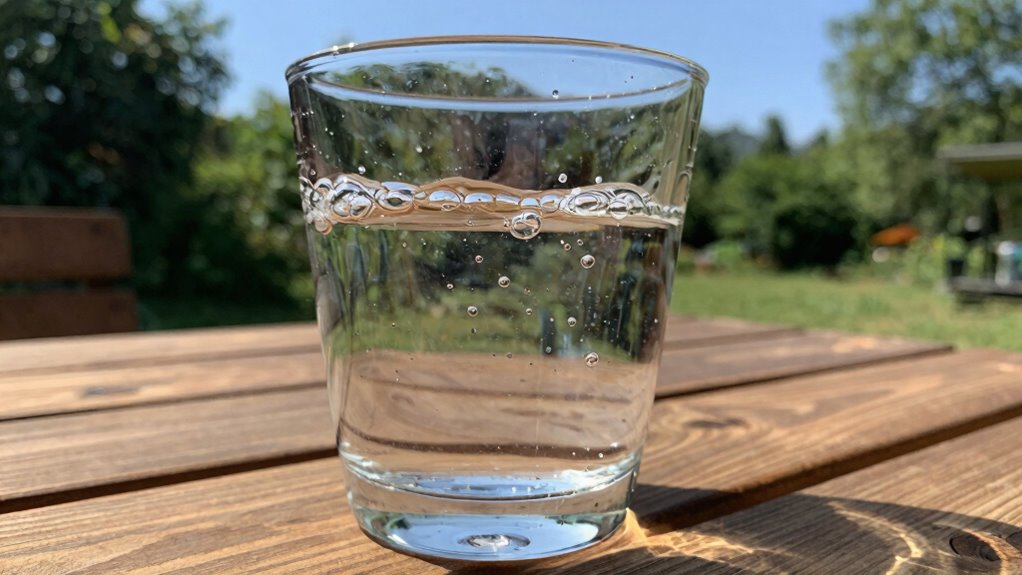
When you notice your water level dropping in a pond or pool, it’s tempting to assume evaporation is the only culprit. But the reality is more complex. Several factors influence how much water disappears, and understanding them helps you manage and predict water loss more accurately. Two critical elements are temperature effects and air circulation, both of which play significant roles in the evaporation process beyond just the water line. For example, environmental conditions such as humidity levels and atmospheric pressure also impact evaporation rates. Temperature effects are fundamental because warmer air increases evaporation rates. When temperatures rise, the water molecules gain energy, making it easier for them to escape into the air. This is why evaporation tends to accelerate on hot, sunny days and slows down during cooler weather. But it’s not just the air temperature that matters; the water temperature itself also influences evaporation. Warmer water holds more energy, so when the surrounding air is warm, the difference in temperature between the water and the air decreases, often leading to increased evaporation. Conversely, cooler water tends to evaporate less quickly, even if the air is warm, because the temperature gradient is smaller. Additionally, humidity levels play a role by reducing the vapor pressure gradient and slowing evaporation when the air is already saturated with moisture. Environmental factors such as wind speed and atmospheric pressure further complicate the evaporation process, making it essential to consider all these elements together for accurate predictions. Wind can also influence evaporation rates by creating turbulence on the water surface, which increases the contact between air and water molecules. Air circulation significantly impacts how much water evaporates from your pond or pool. When air moves across the water surface, it helps carry away the water vapor that forms above it. Without proper air circulation, the vapor tends to linger, creating a humid environment that slows further evaporation. Stronger air currents remove this vapor more efficiently, maintaining a steep vapor pressure gradient that encourages continuous water loss. Wind, for instance, can dramatically increase evaporation rates because it renews the air above the water surface, constantly removing the saturated air and replacing it with drier air. In enclosed or sheltered environments, evaporation rates tend to be lower due to limited air movement, despite high temperatures. Furthermore, understanding how air circulation interacts with other environmental factors can help you develop better strategies for managing water levels. Understanding how temperature effects and air circulation influence evaporation helps you see that water loss isn’t solely about water disappearing beneath the surface. It’s a dynamic process driven by environmental conditions. During hot, windy days, expect more significant water loss even if the water level doesn’t seem to fall much initially. Conversely, on cool, still days, the water loss might be minimal, even if the water appears to be evaporating. By monitoring these factors, you can better estimate water needs, take measures to reduce unnecessary loss, and maintain your pond or pool more effectively.
As an affiliate, we earn on qualifying purchases.
Frequently Asked Questions
How Does Humidity Affect Evaporation Rates in My Pool?
Higher humidity levels slow down evaporation in your pool because the air already contains more moisture, making it harder for water molecules to escape. Conversely, low humidity speeds up evaporation, leading to a quicker drop in water levels. You’ll notice faster evaporation on dry, hot days and slower rates when the air is humid. Controlling humidity or covering your pool can help manage evaporation speed effectively.
Can Evaporation Cause Chemical Imbalances in Water?
Yes, evaporation can cause chemical imbalances in your pool. As water evaporates, it leaves behind chemicals like salts and minerals, leading to chemical fluctuations. This process can also cause pH instability, making your water more acidic or alkaline. These imbalances can affect water quality and pool equipment. Regular testing and adjusting chemicals help maintain proper balance, especially during hot, dry weather when evaporation rates are higher.
What Are Signs of Evaporation Beyond Water Level Drop?
You notice surface disturbance—ripples or a shimmering sheen—beyond just a water level drop, signaling evaporation’s silent work. Water vapor escapes into the air, leaving behind mineral residues or dullness on the surface. These signs show evaporation’s impact extends past the visible water line, affecting water quality and clarity. Keep an eye out for irregular surface patterns or dryness around the edges, clues that evaporation is actively changing your water’s state.
Does Evaporation Impact Water Temperature Significantly?
Yes, evaporation considerably impacts water temperature through surface cooling. As water molecules escape into vapor pressure, they take heat away, lowering the overall temperature. You might notice the water feels cooler near the surface during evaporation. This process helps regulate temperature but can lead to noticeable cooling, especially on hot days or in open containers. So, evaporation isn’t just about water level; it actively influences water temperature too.
How Can I Prevent Excessive Water Loss Due to Evaporation?
Think of your pool as a precious gem—protect it from the harsh sun and breeze. You can prevent excessive water loss by using a solar cover, which acts like a warm blanket trapping moisture. Installing wind barriers shields your water from gusts that whip away moisture. Combining these methods creates a fortress of conservation, keeping your water levels steady and your pool inviting without unnecessary loss.
As an affiliate, we earn on qualifying purchases.
Conclusion
So, next time you notice your water line lowering, remember that evaporation is like a sneaky artist, quietly sculpting your water level while the visible change only hints at the real loss. It’s not just about the water you see disappearing—it’s about all the invisible work happening beneath the surface. Keep an eye on more than just the water line; understanding evaporation’s quiet power helps you stay ahead of the game, like catching a whisper before it turns into a shout.
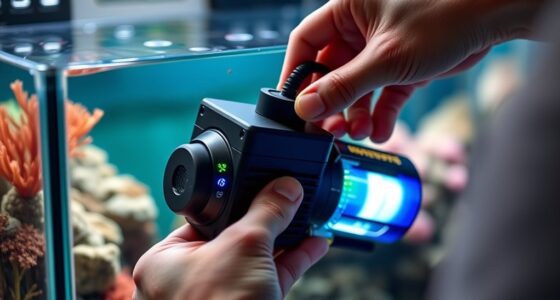
evaporation rate measuring device
As an affiliate, we earn on qualifying purchases.
As an affiliate, we earn on qualifying purchases.
As an affiliate, we earn on qualifying purchases.
Halloween Picks
halloween
As an affiliate, we earn on qualifying purchases.