
To spring clean a neglected hydroponic system, start by removing old, degraded growing mediums and sanitizing reusable parts with a bleach or hydrogen peroxide solution. Check and clean all tubing, reservoirs, and pumps to prevent blockages and algae buildup. Inspect for pests and wipe down surfaces to eliminate damp environments. Improve airflow and water quality, remove debris, and guarantee everything is dry before refilling. Keep your system hygienic to restore health and boost growth—more tips await if you continue.
Key Takeaways
- Thoroughly remove and sterilize old growing mediums and reusable components to eliminate pests and pathogens.
- Clean and inspect tubing, reservoirs, and pumps to prevent clogs, mineral buildup, and algae growth.
- Conduct a deep cleaning of system surfaces, containers, and equipment to reduce debris and disease risk.
- Improve air circulation and ventilation to lower humidity and discourage mold and pest development.
- Regularly check water quality and adjust the system for optimal nutrient delivery and root health.
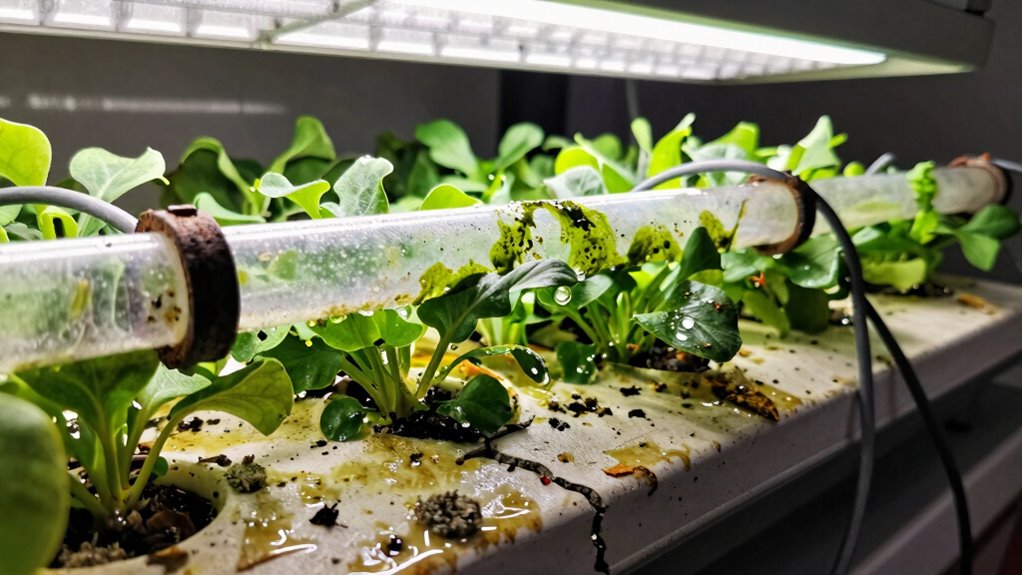
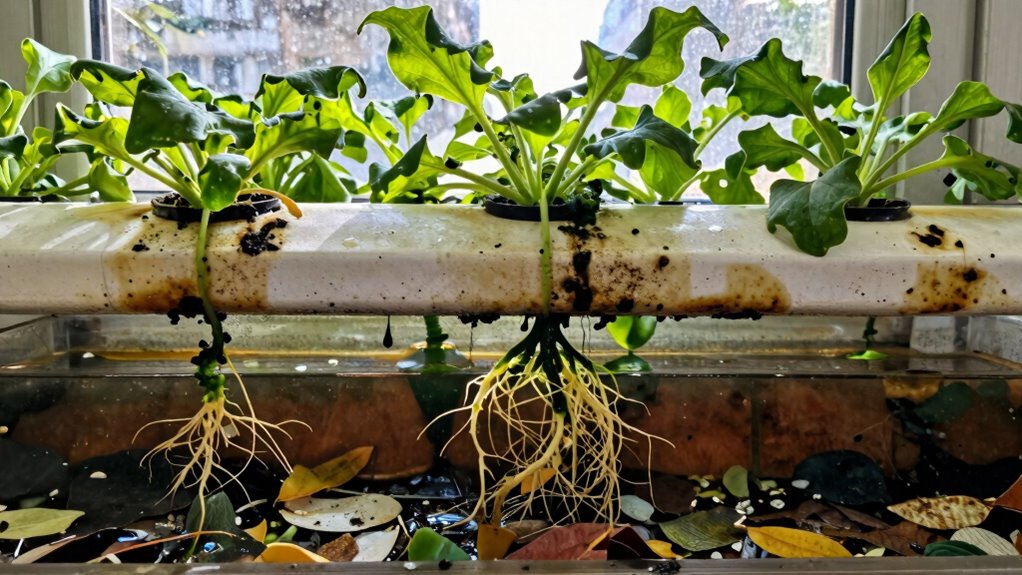
As spring approaches, it’s the perfect time to give your hydroponic system a thorough cleaning. Over the past months, dust, algae, and mineral buildup can accumulate, impacting plant health and yield. Starting with a deep clean helps reset your system, guaranteeing ideal growth conditions. One of the first steps is to focus on soil preparation, even in hydroponic setups. While you don’t use traditional soil, you do rely on growing mediums like coconut coir, rockwool, or clay pellets. These materials can trap debris and pathogens over time. Remove and discard any old or degraded medium, then sanitize reusable components with a mild bleach solution or hydrogen peroxide rinse. This process not only rejuvenates your growing environment but also prevents the buildup of pests and diseases, acting as a crucial pest prevention measure. Proper soil preparation involves ensuring your medium is fresh, sterile, and well-drained, promoting healthy root development.
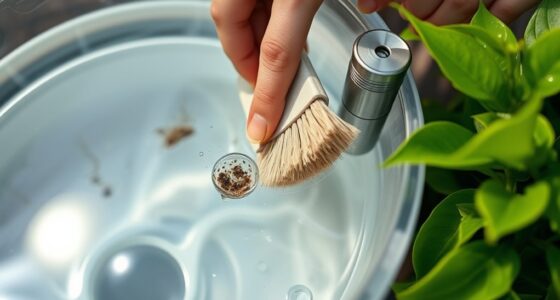
Next, scrutinize your nutrient delivery system. Check for clogs, mineral deposits, or algae growth in tubing, reservoirs, and pumps. Clean these thoroughly with warm water and an appropriate cleaning agent to prevent blockages that could stress your plants. This is also a good time to replace filters or any worn-out parts. When cleaning, pay special attention to tight corners and hidden areas where pests might hide or eggs could be laid. Pests are often attracted to damp, dirty environments, so a thorough wipe-down reduces their chances of establishing a foothold. Regularly inspecting and cleaning your system acts as a proactive pest prevention strategy—cutting off potential breeding grounds before an infestation occurs. Additionally, maintaining system hygiene can extend the lifespan of your equipment and ensure consistent performance. Incorporating routine maintenance practices can further enhance the efficiency of your setup and help catch issues early. Moreover, enhancing air quality by improving ventilation reduces humidity levels that pests and mold thrive on, creating a healthier environment for your plants. Ensuring proper water quality also plays a vital role in preventing mineral buildup and maintaining healthy roots. Proper cleanup routines can also help prevent the accumulation of dust and debris, which serve as breeding grounds for pests and pathogens.
As you clean, consider the overall hygiene of your grow space. Remove debris, dead leaves, and any old plant material that could harbor pests or diseases. Disinfect surfaces and containers with a gentle, non-toxic solution to eliminate lingering pathogens. Once cleaned, ensure your system is dry before refilling with fresh nutrient solution. This prevents mold and algae growth, which can quickly become problematic if left unchecked.
Finally, take time to evaluate your setup’s ventilation and airflow. Proper air circulation helps avoid excess humidity, which can attract pests and promote mold growth. Adjust fans or vents if necessary. With everything cleaned and inspected, your hydroponic system is now primed for a healthy, pest-free growing season. Starting spring with a thorough cleaning not only boosts plant growth but also saves you time and effort down the line by preventing issues before they start.

CAREKITPHCON Probe Care Kit for pH and Conductivity (TDS/PPM) Probes and Pens with 4 Solutions and Cleaners, Cleaning Kit Tool for Hydroponic system and Indoor Plant Grow
- Includes 4 Solutions and Cleaners: Complete cleaning kit for probes
- Extends Probe Lifespan: Improves accuracy and durability
- Easy Calibration: Two-point pH calibration, no calibration for EC probe
As an affiliate, we earn on qualifying purchases.
As an affiliate, we earn on qualifying purchases.
Frequently Asked Questions
How Often Should I Deep Clean My Hydroponic System?
You should deep clean your hydroponic system every 4 to 6 weeks. This helps prevent nutrient solution buildup and algae growth, which can harm plant health. During cleaning, thoroughly remove old nutrient solution, scrub all components, and disinfect to eliminate bacteria and fungi. Regular deep cleaning ensures your system stays healthy, promotes ideal plant growth, and keeps nutrient delivery consistent for vibrant, thriving plants.
Can I Use Household Cleaning Products on Hydroponic Components?
You shouldn’t use household cleaning products on hydroponic components because of chemical safety concerns. Many household cleaners contain harsh chemicals that can harm your plants or disrupt your system’s balance. Instead, opt for food-safe disinfectants specifically designed for hydroponics. These guarantee effective sanitation without risking contamination or damaging sensitive parts. Prioritizing chemical safety helps keep your system clean and your crops healthy and safe.
What Are Signs My System Needs Urgent Cleaning?
You’ll know your hydroponic system needs urgent cleaning if you notice plant nutrient deficiencies, like stunted growth or discolored leaves, despite proper feeding. Also, check pH levels regularly; if they’re outside the ideal range, it’s a sign buildup or contamination. Persistent algae, foul odors, or clogged components indicate it’s time for a thorough cleanup. Address these issues promptly to maintain healthy plants and prime system performance.
How Do I Prevent Algae Buildup During Cleaning?
To prevent algae buildup during cleaning, you should use effective cleaning solutions that target algae and sanitize your system thoroughly. Keep the water temperature controlled, as warmer water encourages algae growth. Avoid leaving lights on for extended periods, since light fuels algae. Regularly inspect and scrub surfaces, and consider adding natural algae prevention methods like hydrogen peroxide or beneficial bacteria. Staying consistent with these practices helps keep algae at bay.
Is It Necessary to Replace Parts After Cleaning?
Did you know that proper equipment maintenance can extend your hydroponic system’s lifespan by up to 50%? After cleaning, it’s generally unnecessary to replace parts unless they’re damaged or worn out. Focus on maintaining cleaning frequency to prevent buildup and guarantee peak performance. Regular inspections help identify parts needing replacement, saving you money and hassle in the long run. Prioritize cleaning and maintenance to keep your system running smoothly.

Liquid Plant Food for use in AeroGarden, IDOO and Hydroponic Growing Systems, Liquid Fertilizer 8 oz (250mL)
- Compatible with AeroGarden systems: Supports AeroGarden and similar units
- Promotes healthy plant growth: Encourages steady growth and strong roots
- Balanced hydroponic nutrients: Provides essential nutrients for indoor hydroponic plants
As an affiliate, we earn on qualifying purchases.
As an affiliate, we earn on qualifying purchases.
Conclusion
Now that you’ve given your hydroponic system a thorough spring cleaning, you’re all set for a fresh start. But don’t breathe a sigh of relief just yet—there’s more to keep your plants thriving. As you monitor your system over the coming weeks, unexpected challenges might surface, testing your newfound knowledge. Stay vigilant, because the true test of a well-maintained system is how you respond when surprises strike. Ready to see what’s next?
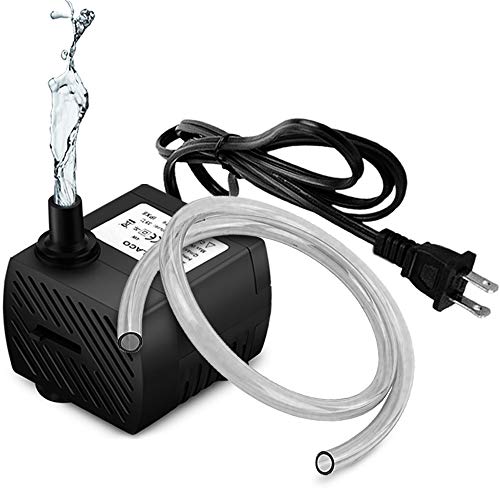
PULACO 95GPH 5W Mini Submersible Water Pump with 3.3 ft Tubing for Aquarium Fish Tank, Pond, Fountain, Hydroponics
- Quiet Operation: Low noise for a peaceful environment
- Adjustable Flow: Customize flow up to 95 GPH
- Easy to Clean: Detachable design for simple maintenance
As an affiliate, we earn on qualifying purchases.
As an affiliate, we earn on qualifying purchases.

MAXTITE Type I Deionized Water Ultrapure Analytical Grade (4 Gallons) – ASTM/ACS Certified
- High Purity Water: Ultrapure, free of impurities and ions
- Certified Quality: ASTM D1193-24 and ACS certified
- Multiple Filtration: Filtered by RO, UV, and quad-cartridge
As an affiliate, we earn on qualifying purchases.
As an affiliate, we earn on qualifying purchases.