TL;DR
Lasagna gardening is a no-dig method that layers cardboard, brown materials such as dry leaves, green materials such as kitchen scraps, and finished compost over existing soil. The gardening guide describes leaving the materials to decompose in place and says a fall bed may be ready for planting by April or May; timing and results depend on conditions and are not guaranteed.
A fall lasagna garden can prepare a planting bed without digging by layering cardboard, dry leaves and other organic matter directly over the soil and letting the materials decompose in place, according to a guide to replenishing garden soil. The method, also called no-dig or no-till gardening, is presented as a way to make use of autumn yard waste and kitchen scraps, though how quickly a bed becomes plantable depends on the materials and conditions.

Get garden gear delivered free with Prime
- Fast, free delivery on millions of items
- Prime Video, Amazon Music and more included
- Member-only deals all year
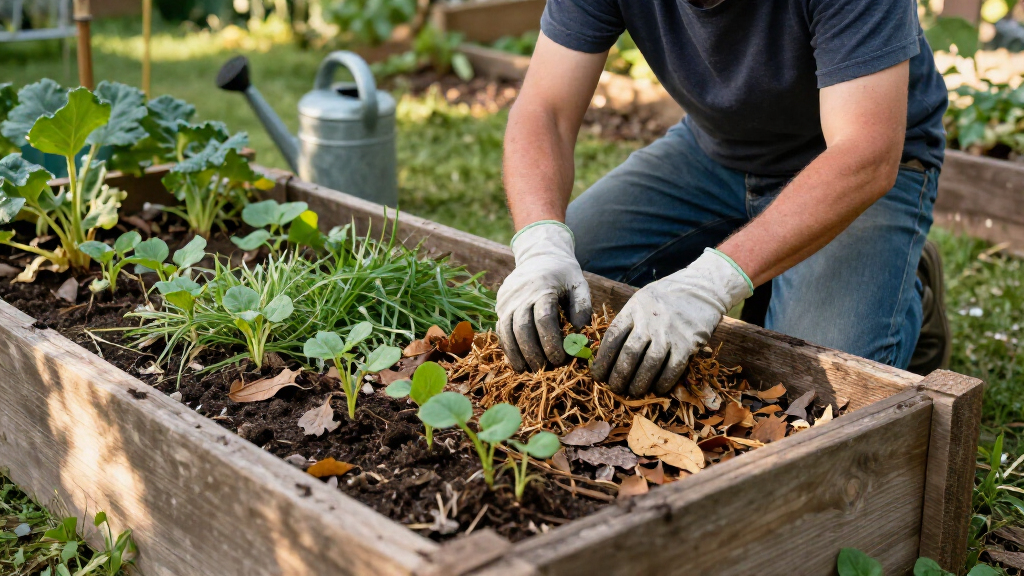
The gardening guide describes the method as cold composting in place: brown materials, including cardboard and dry leaves, are layered with green materials such as grass clippings and kitchen scraps. It recommends using about twice as much brown material as green, while allowing gardeners to add several alternating layers. The guide says the decomposition process relies on soil organisms, including microbes and earthworms.
According to the guide, the first layer is flattened, overlapping corrugated cardboard, placed over the soil after existing weeds or grass have been cut down. It recommends wetting the cardboard. Dry leaves or another brown material go above it, followed by a layer of green material. A cap of finished compost or topsoil completes the bed, particularly if planting is planned soon.
The guide suggests straw, sawdust, wood chips and shredded newspaper as brown materials; green materials can include grass clippings, coffee grounds and manure as well as kitchen scraps, much like the cover crops that improve soil. It says beds started in late fall or early winter may be ready to plant by April or May, with rain and winter moisture helping keep the layers damp. That is a suggested timetable from the guide, not a guaranteed result.
Can Lasagna Gardening Improve Your Soil Without Digging?
This no-dig method layers organic materials over existing soil and leaves them to decompose in place. A spring planting window is possible, but timing and results depend on conditions.
Build the bed in layers
Cut down existing weeds or grass, then layer materials directly over the soil.
Overlap corrugated cardboard and wet it.
Add brown materials, then green materials, using about twice as much brown.
Top with finished compost or topsoil, especially if planting soon.
Choose materials you have
The guide suggests combining yard waste with suitable organic materials.
- Dry leaves
- Straw, sawdust or wood chips
- Shredded newspaper
- Kitchen scraps
- Grass clippings
- Coffee grounds or manure
What the method may offer
Build in place
Layer materials over existing soil instead of turning it.
Use autumn leftovers
Fallen leaves and kitchen scraps can become part of a garden bed.
Cardboard helps suppress weeds
Overlapping cardboard may block existing grass and weeds as layers break down.
Judge readiness by the bed
Leave fall layers through winter, then check them in spring before planting.
| Guide | What to keep in mind |
|---|---|
| Possible timing | April or May is an estimate, not a guarantee. |
| Decomposition | Weather, materials and site conditions can affect how quickly layers break down. |
| Planting | Check that the bed and its top layer can support the seeds or plants. |
Turning Autumn Waste Into Beds
For gardeners who want to avoid turning soil, the gardening guide presents the approach as a way to build a bed using materials that may otherwise be discarded, especially fallen leaves and kitchen scraps. Layering them in place also avoids moving those materials to a separate compost pile before using them in the garden.
The guide says cardboard can help suppress weeds by blocking existing grass and weeds while organic layers break down above it. That can reduce some bed-preparation work, but the guidance does not establish that weeds will be eliminated or that every soil will become fertile on the same schedule. The practical payoff depends on having suitable materials and allowing enough time for decomposition.
Products Worth Considering

Husqvarna Power Axe 350i 18-Inch Cordless Chainsaw Kit

Husqvarna Automower 435X AWD Robotic Lawn Mower

Greenworks 80V Cordless Axial Leaf Blower Kit with 4Ah Battery and Charger
As an affiliate, we earn on qualifying purchases.
How the Layers Build Soil
Lasagna gardening takes its name from stacking distinct layers, but its underlying process is organic matter decomposing on the soil. The gardening guide compares it with a forest floor, where fallen leaves and other debris break down over time and contribute material to the ground. In a garden bed, the guide says, cardboard forms the base, brown and green layers provide organic inputs, and compost or topsoil forms the surface.
The guide recommends starting in late autumn or early winter so the bed has time to settle before spring planting. It presents the method as a lower-effort alternative to digging, not as a measured comparison of soil improvement against other bed-preparation approaches. The guide supplies no specific soil test results or trial data.
Timing Depends on Conditions
The gardening guide provides no test results showing how much the method changes soil quality, nor does it specify a consistent depth for each layer. Its estimate that a bed may be ready by April or May is not accompanied by details about climate, soil type, rainfall, material size or how thoroughly the layers have decomposed. Those factors can affect readiness.
The guide also does not establish whether cardboard will suppress all weeds, how often gardeners may need to replenish the bed, or whether particular materials are suitable for every garden. It gives examples of materials but no detailed screening advice for contaminants or plants with specific needs. Gardeners should check that materials are appropriate for their site and judge planting readiness by the bed’s condition rather than the calendar alone.
Check the Bed Before Planting
For a bed started in fall, the gardening guide recommends leaving the layers in place through winter and checking them in spring. Its proposed window is April or May, but gardeners should assess whether the materials have broken down sufficiently and whether the top layer can support the planned seeds or plants.
If planting is intended soon after construction, the guide recommends finishing with compost or topsoil rather than relying on the lower layers to decompose first. It provides no further detail on climate-specific timing, layer thickness or measured outcomes.
Key Questions
What is lasagna gardening?
According to the gardening guide, it is a no-dig method that layers cardboard, brown organic matter, green organic matter and a top layer of compost or soil over an existing garden bed. The layers are left to decompose in place.
Which materials can be used?
The guide lists dry leaves, straw, sawdust, wood chips and shredded newspaper as brown materials. Green materials can include kitchen scraps, grass clippings, coffee grounds and manure. It recommends roughly twice as much brown material as green.
When can I plant in a lasagna bed?
The guide says a bed built in late fall or early winter may be ready by April or May. That is an estimate; readiness can vary with weather, materials and how much decomposition has occurred.
Does cardboard stop every weed?
The guide presents overlapping, wetted cardboard as a weed barrier, but does not say it eliminates every weed. It advises cutting down existing grass or weeds before laying the cardboard.
Source: gardeningknowhow.com