TL;DR
Squirrels dig in yards during fall mainly to bury food for later, and newly planted bulbs can be disturbed as they search in soft soil. Garden experts cited in the source recommend physical barriers such as wire mesh, firming and tidying soil, and reducing nearby food sources; pepper-based deterrents are temporary and need reapplying.
Squirrels dig in yards in November largely to bury food for winter, and their search through soft, recently worked soil can expose or uproot newly planted bulbs. Wildlife and horticulture experts cited in the source recommend protecting beds with wire mesh, tidying planting areas and limiting nearby food that attracts squirrels.

Get garden gear delivered free with Prime
- Fast, free delivery on millions of items
- Prime Video, Amazon Music and more included
- Member-only deals all year
Eastern gray and fox squirrels commonly use scatter hoarding, burying food in multiple locations rather than keeping it in one cache, said Braelei Hardt, an assistant naturalist with the National Wildlife Federation. Squirrels return to these stashes through winter. A yard with loose soil can offer convenient places to dig, and a squirrel may uncover a bulb while making or checking a cache.
Newly planted bulbs are particularly exposed in fall, Hardt said, because the soil is soft after gardening. Squirrels may also investigate freshly disturbed ground or areas where bulb debris remains. Rebecca McMackin, an ecological horticulturist and lead horticulturalist at the American Horticultural Society, said squirrels can interpret planting activity as a sign that food has been buried. Containers may also attract digging because the soil has been disturbed.
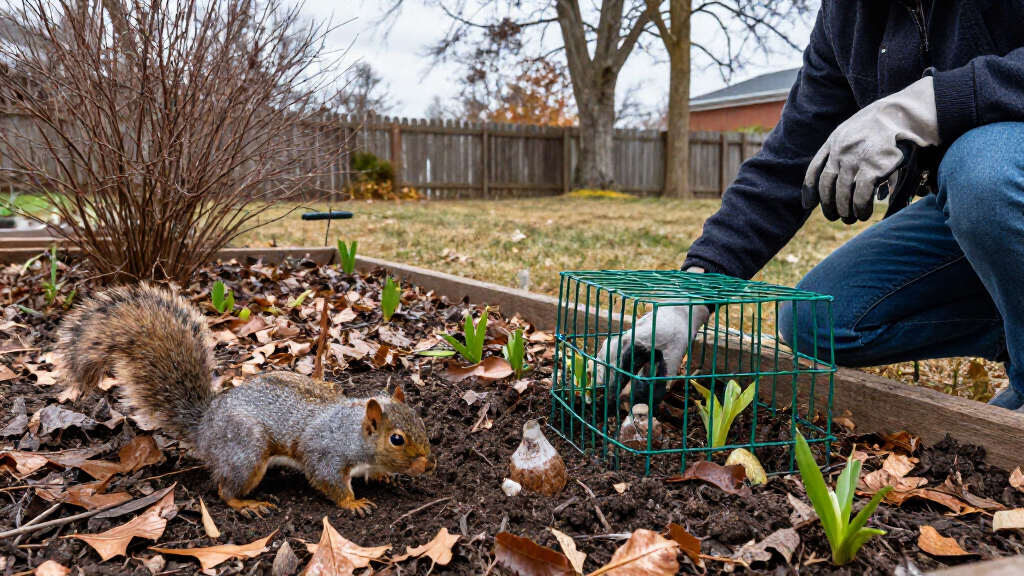
Both experts point to physical barriers as a dependable way to protect bulbs. Gardeners can lay wire mesh over a planting area or just below the soil surface, allowing shoots to grow through its openings. Mesh placed on top should be pinned down or weighted, and removed in spring before shoots emerge. Firming the soil and clearing plant debris after planting may make the bed less conspicuous, though neither step guarantees squirrels will leave it alone.
Why squirrels dig in November Protect newly planted bulbs
Squirrels bury and search for food in fall. Soft, freshly worked soil can expose bulbs along the way.
Why beds get disturbed
Fall digging is normal food storage behavior; bulbs may be uncovered by chance.
Squirrels hide food in multiple places to return to through winter.
Freshly disturbed ground can look like a place where food is buried.
Digging or cache searches can expose or uproot newly planted bulbs.
Protect the planting
Experts recommend a physical barrier for more consistent protection.
Cover with wire mesh
Place mesh over the bed or just below the soil so shoots can grow through. Pin or weight surface mesh.
Remove it in spring
Take mesh away before shoots emerge.
Make the area less inviting
Tidy planting areas and reduce nearby food sources.
- Firm and rake the soil after planting.
- Clear leftover plant debris and spilled bird seed.
- Keep pet food indoors.
What deterrents can do
| Measure | What to expect |
|---|---|
| Wire mesh | Recommended for more consistent bulb protection |
| Firming and tidying | May make beds less conspicuous; not a guarantee |
| Pepper or cayenne | Temporary; reapply every few days and after rain |
Keeping Fall Bulbs in Place
Digging can disturb bulbs before they have a chance to establish, creating extra work for gardeners and putting spring flowers at risk. The problem is most likely around newly planted beds, where both the loose earth and remaining plant material can draw attention. Taking preventive steps soon after planting can reduce the chance that a squirrel’s food-searching behavior will undo the work.
The advice also favors nonlethal protection rather than treating squirrels as pests to eliminate. A mesh barrier protects the planting itself, while removing spilled bird seed and keeping pet food indoors can make the surrounding area less attractive. Pepper products are described as a temporary deterrent, not a lasting fix, and should be reapplied after rain and every few days according to the source.
Products Worth Considering

EGO POWER+ LB7654 Cordless Electric Leaf Blower with 5.0Ah Battery

VEVOR Walk-In Tunnel Greenhouse with Watering System, 15 x 7 x 7 ft

Blackstone 22-Inch Tabletop Griddle with Stainless Steel Faceplate
As an affiliate, we earn on qualifying purchases.
Why Freshly Worked Soil Draws Squirrels
Fall food storage is a routine part of squirrel behavior, not evidence that the animal is targeting a particular gardener. Hardt said scatter hoarding spreads food among separate hiding places, giving squirrels other caches to return to if one is discovered or lost. They may dig several times as they store food and later search for it.
McMackin said squirrels watch other animals and people while caching food. They may sometimes pretend to bury a nut while holding it in their mouth and move to another location if they believe they are being watched. The experts’ explanations suggest why digging can continue even when a garden has no obvious food source: disturbed soil itself can prompt investigation, and bulbs may be found accidentally.
“If they see you planting a perennial, they’re going to assume that you’re placing a bunch of acorns underneath it, and will go inspect, digging up your precious plant in the process.”
— Rebecca McMackin, ecological horticulturist and lead horticulturalist at the American Horticultural Society
How Much Deterrents Can Help
The source offers gardening guidance, not a quantified comparison of how often each measure works. It does not establish that firming soil, cleaning up debris or using pepper will stop digging in every yard. Hardt describes pepper and cayenne as temporary deterrents that need reapplication every few days and after rain; their effectiveness in a specific garden may vary.
There is no single explanation for every disturbed bed. Squirrels may be caching food, checking for their own or another animal’s stash, or uncovering bulbs by chance. The source does not give a local forecast for squirrel activity or a timeline for when digging will stop.
Protect Beds After Planting
For gardeners planting bulbs this fall, the immediate steps described by the experts are to cover beds with wire mesh, secure it if it lies on the surface, firm and rake the soil, and remove leftover planting debris. Mesh should be taken away in spring before shoots emerge. Gardeners can also clear spilled bird seed and keep pet food indoors to reduce other food sources.
Anyone using red pepper or cayenne as a deterrent should treat it as short-term and reapply after rain and every few days, as the source advises. The practical test will be whether a barrier and a tidier planting area reduce digging in that garden; the source does not report results from a controlled trial or identify a universally effective combination.
Key Questions
Why are squirrels digging in my yard in November?
Squirrels commonly bury food in multiple places during fall and return to those caches later. Soft, recently worked soil can be an easy place to dig, and squirrels may also investigate it for food.
Are squirrels deliberately eating newly planted bulbs?
Not necessarily. The experts cited say squirrels can uncover bulbs while burying or searching for food, although bulb debris and disturbed soil may attract their attention. The source does not suggest that every digging squirrel is targeting bulbs.
What is the most reliable way to protect bulbs?
The experts recommend a wire-mesh barrier over the planting or just under the soil surface. Secure surface mesh, leave openings for shoots, and remove it in spring before shoots emerge.
Do cayenne pepper and red pepper stop squirrels?
Hardt describes them as temporary humane deterrents, not permanent protection. The source says they need to be reapplied every few days and after rain; a physical barrier is recommended for more consistent protection.
Source: homesandgardens.com