
AIThis post was created with the assistance of artificial intelligence (AI).
TL;DR

Before you orderOffer from Amazon
Get garden gear delivered free with Prime
- Fast, free delivery on millions of items
- Prime Video, Amazon Music and more included
- Member-only deals all year
Start your free Prime trial Free trial for eligible customers · Cancel anytime
As an affiliate, we earn on qualifying purchases.
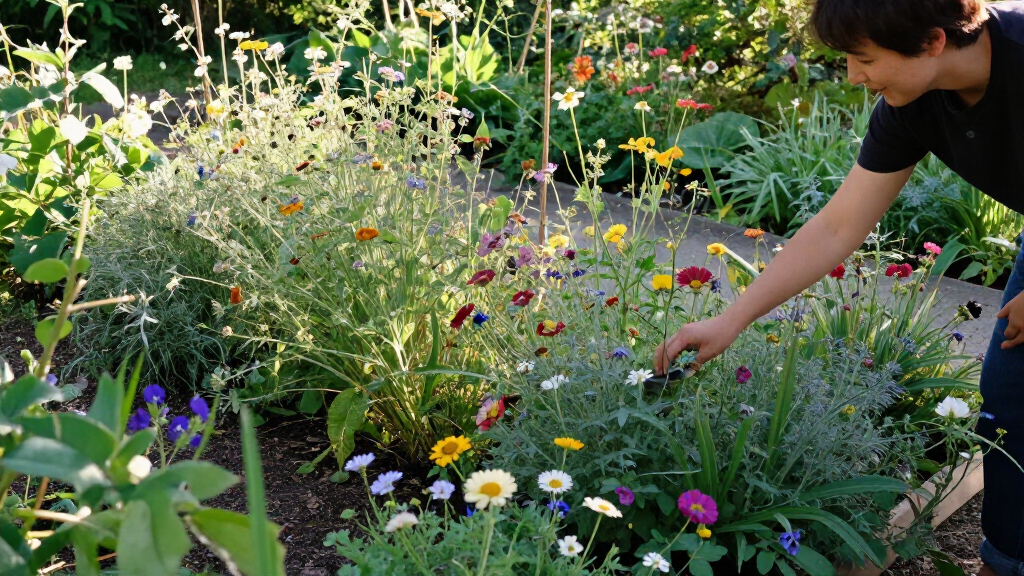
Gardeners are encouraged to stop overly tidying certain perennials. Experts say that letting these plants grow more naturally enhances their beauty and benefits the garden ecosystem. This shift in gardening approach is gaining popularity among plant enthusiasts.
At a glance
reportWhen: ongoing trend gaining popularity since…
The developmentA recent gardening trend promotes letting six specific perennials grow wild for better aesthetics and plant health, challenging traditional tidy garden practices.
Benefits of a Less-Tidy Garden for Plant Health and Biodiversity
Allowing perennials to grow more naturally can lead to healthier plants, increased biodiversity, and a more sustainable garden environment. This approach reduces the need for chemical inputs and intensive maintenance, aligning with eco-friendly gardening practices. For gardeners, it offers a way to create more visually appealing, resilient landscapes while also supporting local ecosystems.Amazon
As an affiliate, we earn on qualifying purchases.
Shift Toward Natural Gardening Practices in Recent Years
Traditionally, gardeners have maintained tidy, manicured gardens, often pruning plants regularly to keep them looking neat. However, recent years have seen a growing movement toward embracing natural growth habits, driven by environmental concerns and a desire for low-maintenance gardening. Experts have started promoting letting perennials grow more freely, citing benefits for plant vitality and local wildlife. This trend is supported by the increasing popularity of native plants and sustainable landscaping, which prioritize ecological health over aesthetics alone.Amazon
As an affiliate, we earn on qualifying purchases.
Uncertainties About Long-Term Effects of Letting Perennials Grow Wild
It is not yet clear how this approach affects plant longevity and garden aesthetics over many seasons. Some gardeners worry that uncontrolled growth could lead to invasive tendencies or overshadowing of other plants, though scientific data on these outcomes is limited.Amazon
pollinator-friendly perennial plants
As an affiliate, we earn on qualifying purchases.
As an affiliate, we earn on qualifying purchases.
Monitoring and Promoting Natural Growth in Gardens
Gardeners and horticultural organizations plan to observe the long-term impacts of this practice through case studies and shared experiences. Further research may clarify optimal plant management strategies, and gardening communities are expected to increasingly adopt and adapt these methods based on ongoing results.Amazon
As an affiliate, we earn on qualifying purchases.
Key Questions
Which perennials benefit most from being left to grow wild?
Plants like coneflowers, black-eyed Susans, sedums, and other native perennials are among those that tend to look better and thrive when allowed to grow more freely.Does letting plants go wild increase the risk of invasive growth?
While there is concern about invasive tendencies, experts suggest that native perennials managed properly are less likely to become invasive. Monitoring and selective pruning can mitigate this risk.How does this approach affect garden maintenance?
Allowing plants to grow more naturally can reduce the time spent on pruning and weeding, making garden care less labor-intensive and more sustainable.Is this method suitable for small or formal gardens?
This approach is generally more suited to informal or naturalistic gardens. Formal gardens may still require regular maintenance, but even they can incorporate some less-tidy elements.Source: rss
Halloween Picks
halloween
halloween
As an affiliate, we earn on qualifying purchases.