
TL;DR
A gardening guide dated November 20, 2026, explains how to start African marigolds from seed: sow indoors ahead of the last expected frost or direct-sow once soil reaches about 65°F. It recommends full sun, well-drained soil, careful watering and checking seed-packet instructions; local weather and cultivar affect results.
A gardening guide published November 20, 2026, sets out when and how to plant African marigold seeds, advising growers to start them indoors ahead of the last expected frost or sow directly outdoors once soil warms to about 65°F. The timing matters because these annual flowers are vulnerable to cold, and local frost dates and forecasts differ.

Get garden gear delivered free with Prime
- Fast, free delivery on millions of items
- Prime Video, Amazon Music and more included
- Member-only deals all year
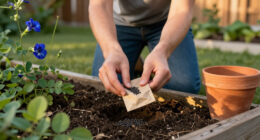
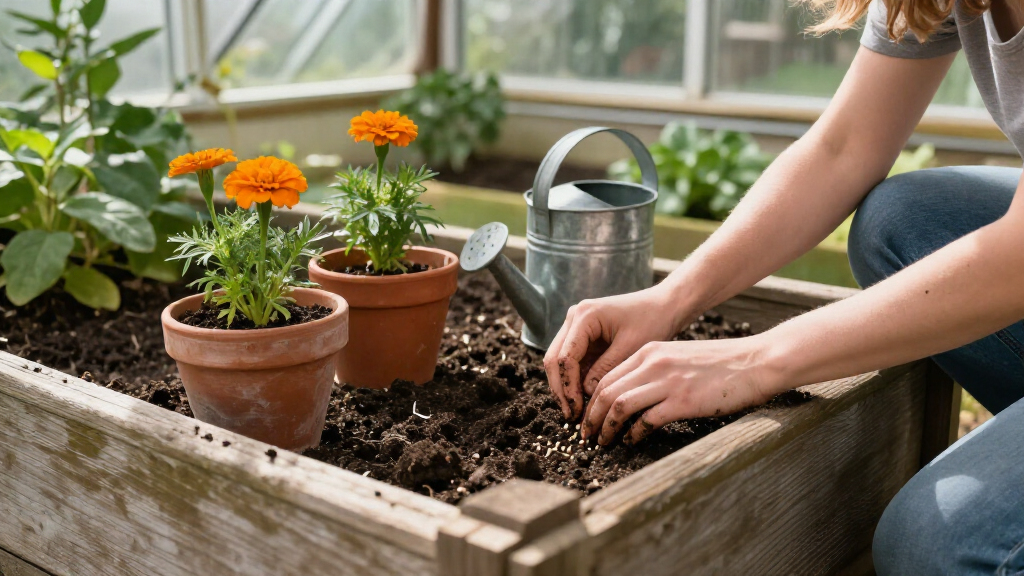
For indoor starts, the guide recommends sowing seeds about eight weeks before outdoor planting, in clean cells or small pots filled with moist seed-starting mix. Sow about ¼ inch deep, unless the seed packet gives different directions, then water gently and keep the mix moist but not waterlogged. In warm conditions, seeds may sprout in five to eight days, though temperature and seed quality can affect how quickly they germinate.
After seedlings emerge, provide strong light, thin crowded starts and label varieties. Before transplanting, gradually expose seedlings to outdoor conditions over about one week, protecting them from cold and wind. Set transplants at the depth they were growing before, and use the spacing on the packet; taller cultivars need more room than compact ones.
Outdoors, choose a sunny site with well-drained soil. The guide suggests adding compost if the soil needs organic matter, but cautions against heavy feeding: excess nitrogen can encourage leafy growth at the expense of flowers. Water near the soil, check moisture before watering again, remove faded blooms and stake tall stems if needed.
Plant African Marigolds From Seed
Frost, soil warmth and cultivar shape when to sow and how to care for young plants.
Choose your sowing route
Use local frost conditions and the seed packet to set timing.
- Sow about ¼ inch deep in moist seed-starting mix.
- Keep mix moist, not waterlogged; provide strong light after sprouting.
- Harden seedlings outdoors gradually over about one week.
- Wait until frost danger has passed.
- Sow when soil is about 65°F.
- Choose a sunny spot with well-drained soil.
Match space to the variety
African marigolds vary in size, so check the plant label for expected height and spacing.
Smaller spaces
Compact cultivars can suit containers and tighter planting areas.
Room to grow
Some reach 3–4 feet and may need more space or support.
Water thoughtfully
Check soil moisture before watering; remove faded blooms as plants grow.
Before planting outside
A local forecast and cultivar instructions help turn general guidance into a practical plan.
- Check the last-frost estimate and short-term forecast.
- Follow packet directions when they differ from general advice.
- Identify pest problems before choosing a treatment; marigolds do not repel every pest.
Timing Protects Young Marigolds
Planting by local frost conditions gives seedlings a better chance of establishing without exposure to cold. The guide offers two routes—indoor starting for an earlier start and direct sowing after the soil warms—rather than treating one calendar date as suitable everywhere.
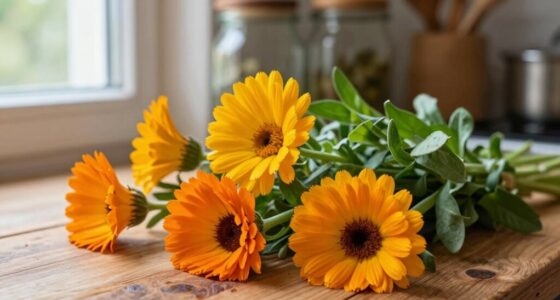
Choosing a variety also affects where the flowers fit. African marigolds, or Tagetes erecta, range from compact selections to plants reaching 3–4 feet, according to the source. Their size can make them suitable for bold borders and cut flowers, while taller selections may need more space or support. That distinction matters for gardeners planning beds, paths and containers.
Care advice in the guide also sets realistic expectations. Removing faded flowers can encourage continued blooming, but outcomes depend on the variety and growing conditions. Marigolds should not be treated as a universal pest deterrent: the source says they do not repel every pest and recommends identifying a problem before choosing a treatment.
Products Worth Considering

Greenworks 80V Cordless Axial Leaf Blower Kit with 4Ah Battery and Charger

Husqvarna Automower 550 Commercial Robotic Lawn Mower

Rachio 3 Smart Sprinkler Controller, 16-Zone
As an affiliate, we earn on qualifying purchases.
African and French Marigolds
“African marigold” is a common name for Tagetes erecta, an annual native to Mexico and Central America, not Africa. The guide distinguishes it from French marigolds, Tagetes patula, which are often around 6–12 inches tall and commonly used for edging and smaller containers. African marigold size varies by cultivar, so the packet or plant label is the best source for expected height and spacing.
The guide gives a general indoor-starting window of about eight weeks before planting outdoors. Its FAQ also gives a broader four-to-eight-week range before the last expected frost. These are planning estimates, not a substitute for checking local conditions. For direct sowing, the specific cue provided is soil at about 65°F and the danger of frost having passed. Hardiness-zone information alone does not provide a local spring planting date.
Local Conditions Set the Date
The guide does not name a single planting date that applies to all regions. A gardener’s last frost date, current forecast and soil temperature determine when outdoor sowing or transplanting is suitable, and those details are not provided for any particular location. The source advises checking local conditions and following the seed packet if its instructions differ from the general sowing depth or timing.
Germination estimates and mature plant size are also variable. The stated five-to-eight-day germination period applies to warm conditions, while height depends on cultivar. The guide does not provide a specific watering volume, container size or treatment for pests; it recommends checking plant condition and identifying problems before acting. Its source material includes no direct quotations from named experts or additional independent research.
Check Frost and Soil Before Sowing
Before planting, check the local last-frost estimate and short-term forecast, then follow the seed packet for variety-specific instructions. For direct sowing, wait until frost danger has passed and soil is near 65°F. For indoor starts, count back roughly four to eight weeks from the expected outdoor planting period, using the packet’s guidance.
After seedlings are planted out, monitor moisture without keeping the soil soggy, and inspect plants as they grow. The guide calls for checking leaf undersides for spider mites during hot, dry weather, removing spent flowers and supporting tall stems if necessary. It does not report a developing event or a later publication milestone; the next practical step for readers is to match these instructions to local weather and the cultivar they choose.
Key Questions
When should I plant African marigold seeds?
Start seeds indoors about four to eight weeks before the expected last frost, or direct-sow after frost danger has passed and soil is about 65°F. Check local forecasts and the seed packet.
How deep should marigold seeds be planted?
The guide recommends sowing about ¼ inch deep in moist seed-starting mix, unless the packet gives different directions. Keep the mix moist, not waterlogged.
How long do African marigold seeds take to germinate?
Many may sprout in five to eight days in warm conditions. Temperature and seed quality affect timing, so germination may vary.
Do African marigolds come back every year?
No. African marigolds are annuals and generally complete their life cycle in one growing season. Seeds from mature flowers may germinate later under favorable conditions, but that is not guaranteed.
Can African marigolds grow in pots?
Yes. Choose a container with adequate drainage and enough room for the plant’s roots. Compact varieties are often easier to manage in smaller pots, and containers may need more frequent moisture checks in hot weather.
Source: groworganic.com