
TL;DR

Get garden gear delivered free with Prime
- Fast, free delivery on millions of items
- Prime Video, Amazon Music and more included
- Member-only deals all year
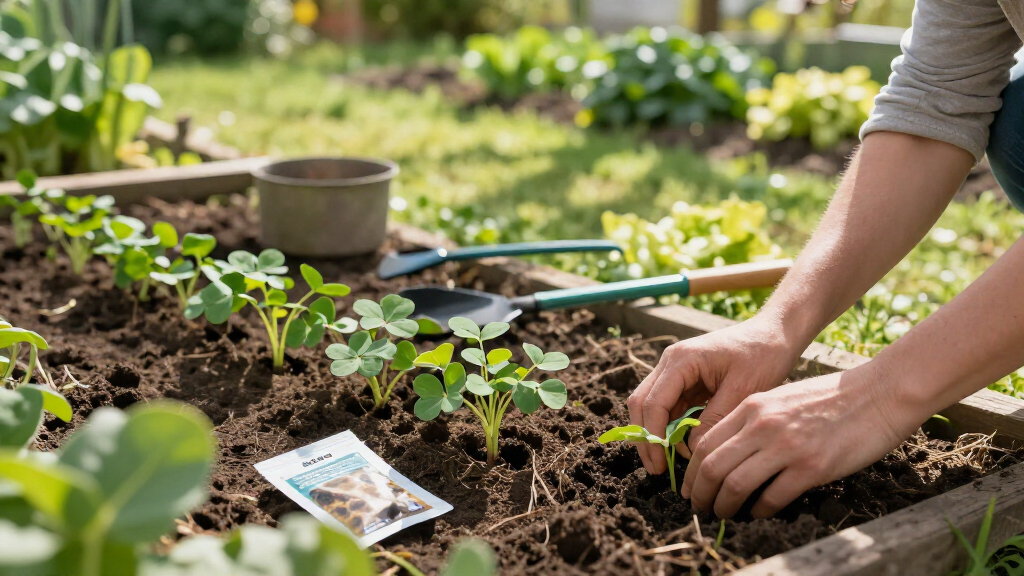
Gardening experts recommend six cover crops to plant after harvesting vegetables to boost soil fertility and structure. These crops help fix nitrogen, suppress weeds, and improve soil organic matter.
Impact of Cover Crops on Soil Fertility and Garden Sustainability
Planting cover crops after vegetable harvesting is a proven method to improve soil health, reduce dependency on chemical inputs, and increase crop yields in subsequent seasons. This practice supports sustainable gardening and farming by maintaining soil organic matter, preventing erosion, and enhancing nutrient cycling. For gardeners and farmers, adopting cover cropping can lead to more resilient and productive gardens, especially in organic systems or areas with degraded soils. The recommendation aligns with broader environmental goals of reducing chemical runoff and improving soil carbon sequestration.cover crop seeds for soil improvement
As an affiliate, we earn on qualifying purchases.
As an affiliate, we earn on qualifying purchases.
Recent Gardening Recommendations and Cover Crop Benefits
Recent articles from gardening and agricultural extension sources emphasize the importance of cover cropping as part of sustainable soil management. Historically, cover crops like clover and rye have been used in traditional farming to improve soil health. The current advice builds on decades of research, highlighting that planting these crops after the main harvest can prevent soil erosion, improve nutrient content, and suppress weeds. The timing aligns with the end of the growing season in most regions, making it a practical step for gardeners looking to prepare their soil for the next planting cycle. The practice is increasingly promoted as part of organic gardening and regenerative agriculture efforts.“Planting cover crops after your vegetables are harvested is one of the most effective ways to naturally boost soil fertility and structure for the next season.”
— Dr. Susan Green, Soil Scientist at GreenGrow Labs
As an affiliate, we earn on qualifying purchases.
Uncertainties About Regional Suitability and Timing
While the six recommended cover crops are broadly suitable, specific regional climate conditions and soil types may influence their effectiveness. It is not yet clear how optimal timing varies across different zones, or how long each crop should be left in the ground for maximum benefit. Further research is needed to tailor recommendations for diverse gardening environments.As an affiliate, we earn on qualifying purchases.
Next Steps for Gardeners and Researchers
Gardeners are encouraged to select appropriate cover crops based on their regional climate and soil needs, and to follow local extension guidelines for planting and termination. Researchers are expected to continue studying long-term impacts of cover cropping on soil health and crop yields, potentially refining best practices. Extension services may offer region-specific advice in upcoming seasons.As an affiliate, we earn on qualifying purchases.
Key Questions
Which cover crop is best for nitrogen fixation?
Clovers and vetches are among the best for nitrogen fixation, enriching the soil naturally.When should I plant cover crops after harvesting vegetables?
Typically, late fall or early winter is ideal, but timing depends on your local climate and planting schedule.How do I terminate cover crops before planting my next crop?
Common methods include mowing, tilling, or using herbicides, depending on your gardening approach and crop type.Can cover crops be used in small home gardens?
Yes, cover crops are suitable for small gardens and can be easily integrated into existing crop rotation plans.Source: rss
Halloween Picks
halloween
As an affiliate, we earn on qualifying purchases.