TL;DR

Get garden gear delivered free with Prime
- Fast, free delivery on millions of items
- Prime Video, Amazon Music and more included
- Member-only deals all year
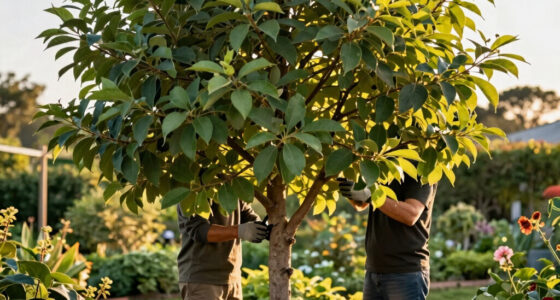
Five self-pollinating fruit trees can be planted this fall, each capable of producing a large crop with only one tree. This simplifies planting for small gardens and novice growers.
Gardeners looking to grow fruit trees with minimal hassle can now consider planting five specific self-pollinating varieties this fall, as these trees do not require a second tree for pollination and can produce abundant fruit on their own. This development simplifies fruit cultivation, especially for small gardens and beginner growers, and is confirmed by horticultural sources.
The five self-pollinating fruit trees identified are the Dwarf Apple, Pomegranate, Fig, Olive, and Cherry. According to horticultural experts, these varieties are capable of producing a full crop with just one tree, eliminating the need for planting multiple trees for cross-pollination. This makes them particularly suitable for limited spaces and novice gardeners.
Experts emphasize that planting these trees in fall allows for establishment before winter, leading to better growth and fruit production in the following season. The trees are available at garden centers and nurseries, with planting instructions typically recommending well-drained soil, full sun, and protective measures against pests and harsh weather.
While these trees are self-pollinating, some sources suggest that planting more than one can sometimes increase yield or fruit size, but it is not necessary for fruit set. The ease of cultivation and reliable fruit production are the main advantages highlighted by sources such as horticultural extension services and gardening publications.
Why Self-Pollinating Trees Are Game-Changers for Gardeners
The ability to grow fruit trees that do not require a second tree for pollination significantly lowers the barriers to home fruit cultivation. For urban gardeners, those with limited space, or beginners hesitant to manage multiple trees, these varieties offer a straightforward solution to enjoy fresh, homegrown fruit. This development could encourage more people to start growing their own food, reduce reliance on store-bought produce, and promote sustainable gardening practices.
Moreover, planting just one tree simplifies maintenance and reduces costs associated with purchasing and caring for multiple trees. It also allows for more flexible planting locations, making fruit cultivation more accessible to a wider audience.
As an affiliate, we earn on qualifying purchases.
Background on Self-Pollinating Fruit Trees and Planting Trends
Traditionally, many fruit trees, such as apples and cherries, require cross-pollination from a different variety to produce fruit, often necessitating planting multiple trees. This has historically limited fruit gardening to those with ample space and resources. However, horticultural research and breeding programs over recent decades have developed self-pollinating or self-fertile varieties, making fruit growing more accessible.
Planting in fall is a common practice to allow trees to establish roots before winter, leading to healthier growth and higher yields in the subsequent season. The current trend toward urban gardening and small-scale food production has increased interest in self-pollinating trees, which are easier to manage for beginners and those with limited space.
Sources such as the University of California Cooperative Extension and gardening publications confirm that these trees are increasingly available and popular among home gardeners.
As an affiliate, we earn on qualifying purchases.
Remaining Questions About Growth and Yield
While these trees are confirmed to be self-pollinating and suitable for planting this fall, specific details about their long-term yield, disease resistance, and performance in different climates are still emerging. Some experts suggest that planting multiple trees may still enhance fruit size or quantity, but definitive data is limited. Additionally, how these varieties will perform in extreme weather conditions remains to be seen.
As an affiliate, we earn on qualifying purchases.
Next Steps for Gardeners and Researchers
Gardeners are encouraged to purchase and plant these self-pollinating trees this fall, following recommended planting guidelines. Monitoring their growth and fruit production will help assess long-term performance. Researchers and horticulturists are likely to conduct further studies on yield, disease resistance, and climate adaptability of these varieties, which will inform future recommendations. Nurseries may also expand availability based on demand.
As an affiliate, we earn on qualifying purchases.
Key Questions
Which fruit trees are self-pollinating?
The five main self-pollinating fruit trees are dwarf apple, pomegranate, fig, olive, and cherry.
Can I plant only one self-pollinating tree and get fruit?
Yes, these trees are capable of producing fruit on their own without a second tree for pollination.
When is the best time to plant these trees?
Fall is the recommended planting season, as it allows trees to establish roots before winter.
Do self-pollinating trees require special care?
They require standard care: well-drained soil, full sun, and protection from pests and harsh weather. Follow specific guidelines for each variety.
Will planting multiple trees increase my harvest?
While not necessary, planting more than one can sometimes improve fruit size or yield, but a single tree will produce fruit on its own.
Source: rss
Halloween Picks
halloween
As an affiliate, we earn on qualifying purchases.