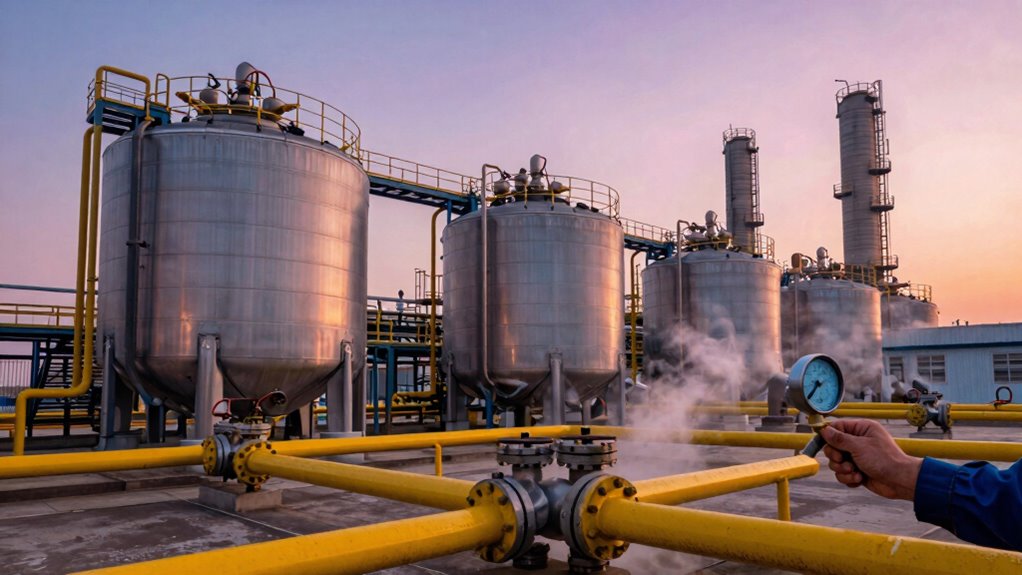

Your reservoir top-off strategy directly influences your plant’s efficiency and safety. By maintaining proper water levels, you prevent system disruptions, equipment damage, and contamination buildup. Adjusting water input based on real-time data ensures peak performance and reduces waste. Good control and regular monitoring help avoid surprises like overflow or low supply. If you want to understand how fine-tuning your approach boosts operations and longevity, keep exploring the details behind these strategies.

Get garden gear delivered free with Prime
- Fast, free delivery on millions of items
- Prime Video, Amazon Music and more included
- Member-only deals all year
Key Takeaways
- Proper top-off maintains stable water levels, preventing operational disruptions and ensuring consistent plant performance.
- Accurate water quality management reduces contamination risks that can impair equipment efficiency.
- Regular maintenance and inspections ensure sensors and control systems function correctly, optimizing reservoir management.
- Automated control systems adjust water input based on real-time data, improving responsiveness to demand fluctuations.
- Integrating data-driven strategies enhances resource efficiency, system reliability, and long-term plant performance.
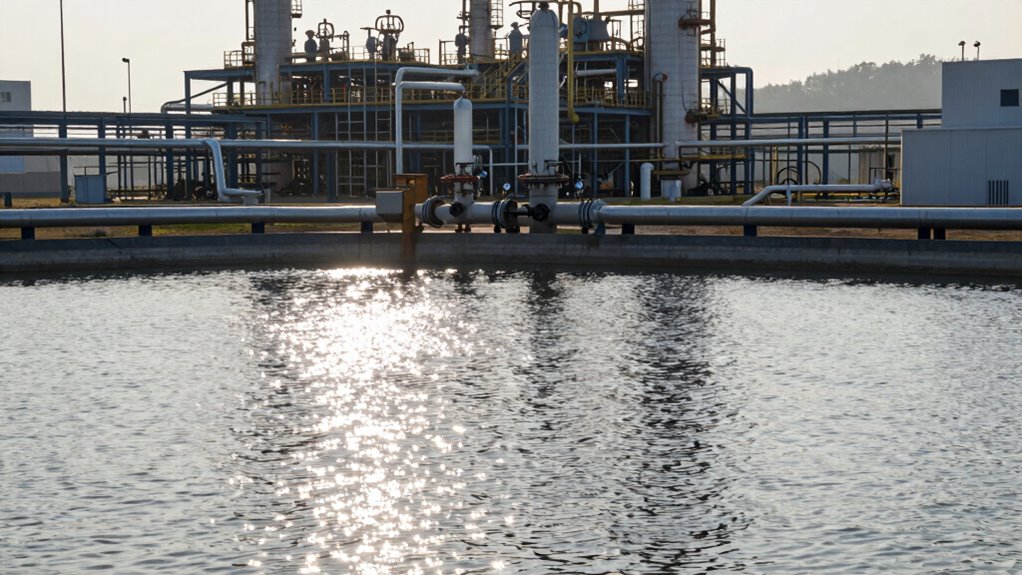
Implementing an effective reservoir top-off strategy is essential for optimizing plant performance and guaranteeing reliable operations. When you maintain a proper top-off process, you prevent the reservoir from running too low or overflowing, which can disrupt the entire system. One of the key aspects to think about is water quality. If the water in your reservoir isn’t properly managed, contaminants can build up, leading to corrosion, scaling, or biological growth that compromises your equipment’s efficiency. Regularly monitoring water quality allows you to identify issues early and adjust your top-off procedures accordingly. By making sure that only clean, treated water enters the reservoir, you protect your system from potential damage and maintain consistent performance.
Your maintenance schedules play a pivotal role in the success of your reservoir top-off strategy. Scheduled inspections and cleaning help keep water quality high and prevent the accumulation of sediments or biofilms that could hinder flow or damage components. When you adhere to routine maintenance, you minimize unexpected downtime and extend the lifespan of your equipment. In addition, well-planned maintenance routines enable you to verify that all sensors, valves, and control systems are functioning correctly, providing accurate data for your top-off decisions. This proactive approach ensures that your reservoir stays at the best levels without risking overfill or depletion, which could impact plant efficiency and safety. Additionally, water quality management is vital in maintaining system integrity and preventing costly repairs caused by buildup or contamination. Regular water testing and treatment adjustments can further enhance your system’s resilience and longevity. Implementing proper water treatment practices plays a crucial role in maintaining consistent water quality and system health.
A good reservoir top-off strategy also involves understanding your system’s specific demands. If you’re not adjusting your water input based on real-time data, you risk either wasting resources or creating conditions that damage your infrastructure. Implementing automated controls that respond to fluctuations helps you maintain steady water levels, reducing the chance of operational hiccups. It’s important that you stay vigilant about the timing and volume of water added, especially during peak demand or low supply periods, to keep your plant running smoothly. Properly managing these variables directly influences your overall plant efficiency and reduces costly repairs caused by neglect or improper water management. Recognizing the importance of system demands and how they fluctuate over time enables more precise control and resource allocation. Regularly reviewing your demand patterns can help you fine-tune your top-off schedule for optimal performance.
Furthermore, integrating real-time data into your control systems allows for better prediction and response to demand fluctuations, ensuring your reservoir remains at optimal levels without manual intervention. In essence, your reservoir top-off strategy isn’t just about adding water; it’s about carefully managing the quality, timing, and frequency of your water input. When you integrate water quality controls with a disciplined maintenance schedule, you create a resilient system that performs reliably under varying conditions. This proactive management helps you avoid unexpected failures, optimize resource use, and achieve consistent plant performance. Ultimately, a well-designed top-off strategy becomes a cornerstone of your operational excellence, ensuring that your plant functions efficiently, safely, and sustainably over the long term.
As an affiliate, we earn on qualifying purchases.
Frequently Asked Questions
How Does Reservoir Top-Off Impact Overall Plant Safety Protocols?
Reservoir top-off impacts your overall plant safety protocols by ensuring operational efficiency and maintaining safety compliance. When you regularly monitor and adjust the reservoir levels, you reduce the risk of equipment failures or safety hazards caused by low fluid levels. This proactive approach helps you keep the system stable, prevent accidents, and meet safety standards, ultimately safeguarding personnel and ensuring smooth plant operations.
What Are the Environmental Considerations of Changing Top-Off Strategies?
Did you know that changing top-off strategies can reduce water consumption by up to 15%? When you alter your approach, you directly influence water quality and environmental impact. You should consider how new strategies might introduce contaminants or affect local ecosystems. By carefully managing reservoir water levels, you help protect water quality and minimize environmental harm, ensuring sustainable plant operations that are environmentally responsible and compliant with regulations.
How Does Reservoir Top-Off Influence Long-Term Equipment Lifespan?
Reservoir top-off greatly impacts your equipment lifespan by maintaining ideal water levels, which reduces strain on pumps and sensors. Proper reservoir maintenance, including regular calibration of equipment, guarantees the top-off system functions accurately and consistently. When you keep levels steady, you prevent unnecessary wear and tear, extending equipment life. Consistent calibration and maintenance help identify issues early, avoiding costly repairs and promoting long-term reliability of your plant’s operations.
Are There Specific Plant Types That Benefit Most From Top-Off Adjustments?
Ironically, plants with delicate water regulation systems, like certain aquatic or sensitive crop species, benefit most from top-off adjustments. You might think they’d be overwhelmed, but these plants thrive when water levels are carefully managed, ensuring ideal growth. Specialized plant species depend heavily on consistent water regulation, making reservoir top-off strategies essential for maintaining their health and performance, especially in environments where water availability fluctuates.
What Training Is Required for Staff to Implement New Top-Off Strategies?
You need to provide staff training focused on updated operational procedures for the new top-off strategies. Make certain they understand the technical aspects, safety protocols, and monitoring techniques. Hands-on sessions, detailed manuals, and ongoing support help staff adapt quickly. This training minimizes errors and optimizes plant performance, enabling your team to confidently implement the changes and maintain consistent reservoir levels. Regular refresher courses will reinforce their understanding and keep operations smooth.
automated water control system for plants
As an affiliate, we earn on qualifying purchases.
As an affiliate, we earn on qualifying purchases.
Conclusion
By adjusting your reservoir top-off strategy, you can improve your plant’s performance, optimize its health, and maximize its yield. It’s about staying proactive, maintaining balance, and embracing consistency. When you prioritize proper water management, you prevent stress, promote growth, and guarantee stability. In the end, it’s about taking control, making informed decisions, and seeing results. Keep your reservoir topped off, keep your plant thriving, and watch your success grow.
water quality testing kit for reservoirs
As an affiliate, we earn on qualifying purchases.
As an affiliate, we earn on qualifying purchases.
reservoir cleaning and maintenance tools
As an affiliate, we earn on qualifying purchases.
As an affiliate, we earn on qualifying purchases.
Fall yard work Picks
leaf blowers
As an affiliate, we earn on qualifying purchases.