
TL;DR
November is a time for limited apple-tree maintenance, not a full prune. Experts recommend removing dead or damaged wood, checking for pests, protecting trunks where needed and clearing fallen fruit and leaves; major pruning is generally best left until late winter.
Garden experts advise apple-tree owners to use November for a light tidy-up rather than a major prune, which is usually done in late winter after the worst cold and before growth resumes, as outlined in these apple tree winter care tips. The seasonal jobs include removing dead or diseased branches, checking for pests, protecting trunks and clearing fallen fruit and leaves to reduce places where pests and disease can persist.

Get garden gear delivered free with Prime
- Fast, free delivery on millions of items
- Prime Video, Amazon Music and more included
- Member-only deals all year
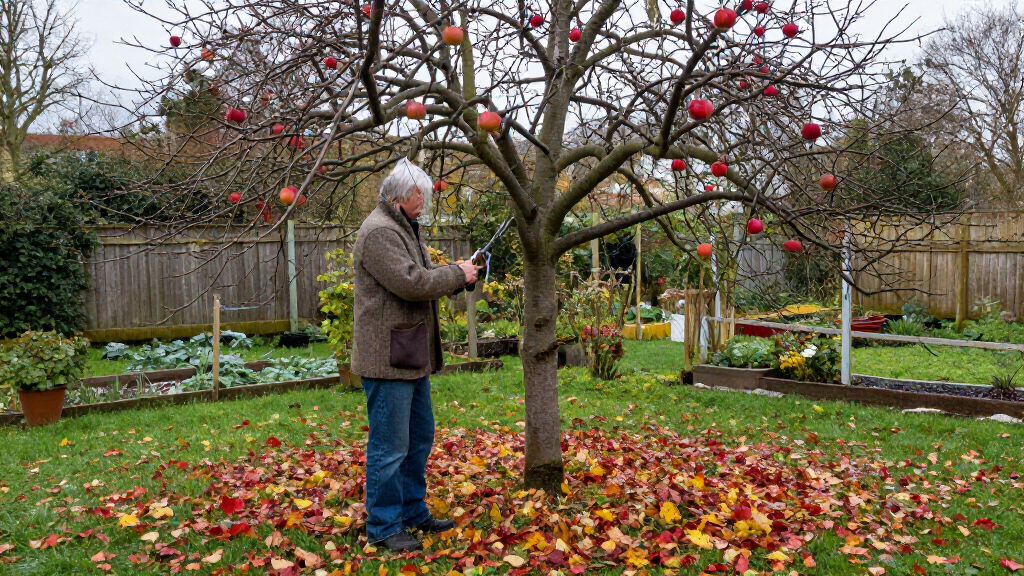
Julian Palphramand, head of plants at British Garden Centres, said November is early for a proper prune but can be a useful time for limited maintenance. With leaves down, damaged branches and the tree’s structure may be easier to inspect. Palphramand advises removing dead, diseased or damaged branches when they are noticed, while avoiding an extensive cutback.
Other experts recommend looking for shoots growing into the centre of the tree and branches that cross or rub. Victoria Parkinson, a garden expert at Arctic Cabins, advises removing strong inward-growing shoots and, where branches rub, taking out the weaker one. The goal, according to the advice provided, is an open canopy that lets light and air through. However, the guidance also stresses restraint: heavy pruning can produce vigorous upright shoots, known as watershoots, and may crowd the tree.
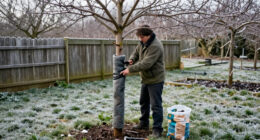
November checks can also include the trunk and ground around the tree. Lucie Bradley, a gardening and greenhouse expert at Harvst Automatic Watering, recommends removing fruit left on the tree and fallen apples, which can attract pests and provide a place for problems to persist. Raking up leaves is also advised; Bradley says they may harbour fungal spores and recommends putting them in garden waste rather than a home compost heap. For winter moths, Bradley describes grease bands or barrier glue as a physical barrier around the trunk. Tree guards may help protect trunks from deer rubbing in orchards.
Prepare your apple tree for winter
Use November for a light tidy-up and inspection. Save the main prune for late winter to help avoid vulnerable new growth.
What to do now
Focus on tree health and clearing places where pests and disease can persist.
Remove damaged wood
Cut out dead, diseased or damaged branches you find.
Look for rubbing shoots
Check for inward-growing shoots and branches that cross or rub.
Tidy the ground
Remove fallen apples and rake up leaves; dispose of leaves through garden waste.
Protect the trunk
Choose a barrier to suit the concern in your garden.
- Consider grease bands or barrier glue around the trunk.
- Follow the product instructions.
- Tree guards may help protect trunks from rubbing.
- Consider them where deer are a concern.
Why restraint matters
November is for selective maintenance, not a full structural prune.
The tree’s structure and damaged branches may be easier to see.
Heavy pruning can prompt vigorous upright shoots called watershoots.
Do the main prune after the worst cold has passed and before growth resumes.
Protecting Next Season’s Crop
November care can help reduce risks to the tree without prompting the kind of heavy pruning that experts say is better suited to the dormant period later in winter. Clearing fruit and leaf litter removes potential shelter or food for pests and reduces material that may carry disease. Checking bark and branches also gives gardeners an opportunity to spot problems before spring growth begins.
The advice is relevant to both tree health and future fruiting, but it is not a promise of a larger harvest. Fruit production depends on factors beyond autumn tidying, and the source guidance does not quantify the effect of any one task. The practical distinction is selective maintenance now, followed by the main pruning at the season recommended for the tree.
Products Worth Considering

EGO Power+ LV5000 Cordless Leaf Vacuum, Mulcher, and Blower

Greenworks 40V Brushless Electric Leaf Blower with 4.0 Ah Battery and Charger

Husqvarna 460 Rancher 24-Inch Gas Chainsaw
As an affiliate, we earn on qualifying purchases.
Why Major Pruning Waits
The source guidance places the main apple-tree prune in late winter, after the harshest cold has passed but before the tree starts growing again. It warns that pruning too early in autumn can encourage tender new growth that may be vulnerable to winter conditions. November’s leafless branches make inspection easier, but that does not mean the tree should receive a full structural prune now.
Advice on the extent of pruning differs by task and tree condition. Parkinson gives a general suggestion for shortening some previous year’s growth by about a quarter to a third, cutting above an outward-facing bud, while also advising that young side shoots be left where possible. Other comments in the source emphasize only light, selective work in November. Gardeners should not treat the percentage as a reason to cut back every branch; the shared point is to avoid drastic pruning at this time.
““November’s a bit early for a proper prune on an apple tree; the usual time is late winter, once the worst of the cold is over but before the tree starts growing again.””
— Julian Palphramand, head of plants at British Garden Centres
Tree Condition Shapes the Work
The source guidance does not set out a single pruning plan for every apple tree. The right amount of cutting depends on the tree’s age, condition, shape and the branches involved; no site-specific diagnosis is provided. It also does not establish how much the suggested pest barriers or cleanup will reduce damage in a particular garden.
Bradley’s grease-band placement is described as around 45 centimetres above the ground, but the source does not provide product-specific instructions. Gardeners should follow the directions supplied with any product and avoid cutting healthy branches simply to meet a general guideline. The source also does not identify a particular climate or region, so local winter conditions may affect timing.
Late-Winter Pruning Comes Later
For November, inspect the tree and make only the limited cuts needed to remove dead, diseased or damaged wood, while checking for inward-growing or rubbing branches. Clear apples and leaf litter, and consider a suitable trunk barrier where winter moths or deer are a concern. Any product used should be applied according to its instructions.
The next major task is the late-winter prune, once the worst of the cold has passed and before new growth starts. Until then, the guidance is to monitor the tree rather than make a drastic cutback. The precise timing will depend on local weather and the condition of the tree.
Key Questions
Should I fully prune my apple tree in November?
No. The expert guidance says November is generally too early for the main prune. Keep work selective, removing dead, diseased or damaged branches, and leave major pruning until late winter.
What should I clear from around the tree?
Remove fallen apples and rake up leaves around the base. The source experts say fruit can attract pests and leaf litter may harbour fungal spores. Bradley recommends disposing of leaves through garden waste rather than a home compost heap.
Can grease bands help protect an apple tree?
Bradley recommends grease bands or tree barrier glue as a physical barrier intended to stop winter moths climbing the trunk. The source does not provide a measured effectiveness figure; follow the instructions for the specific product.
When is the main time to prune an apple tree?
The guidance gives late winter as the usual period: after the worst cold has passed but before the tree begins growing again. Local weather and the tree’s condition may affect the timing.
Source: idealhome.co.uk