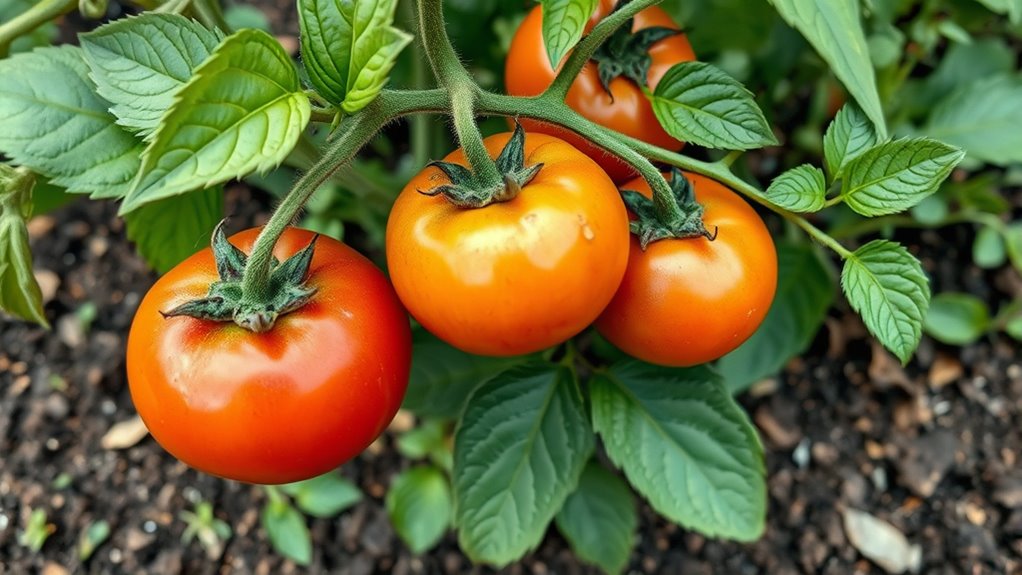

Calcium deficiency is the main cause of blossom-end rot, a common and frustrating problem in fruit and vegetable crops. It happens when plants can’t transport enough calcium to developing tissues, often due to uneven watering or soil imbalances. Ensuring consistent watering, testing soil, and maintaining proper calcium levels can prevent this issue. To understand exactly how to keep your plants healthy and stop blossom-end rot, keep exploring the details below.

Get garden gear delivered free with Prime
- Fast, free delivery on millions of items
- Prime Video, Amazon Music and more included
- Member-only deals all year
Key Takeaways
- Calcium deficiency disrupts cell wall development, leading to blossom-end rot in fruits.
- Uneven watering hampers calcium transport, causing localized calcium deficiency in plant tissues.
- Soil imbalances and low pH reduce calcium availability and uptake by plants.
- Consistent soil moisture and proper watering are essential to prevent calcium-related disorders.
- Regular soil testing and amendments help maintain adequate calcium levels, reducing blossom-end rot risk.
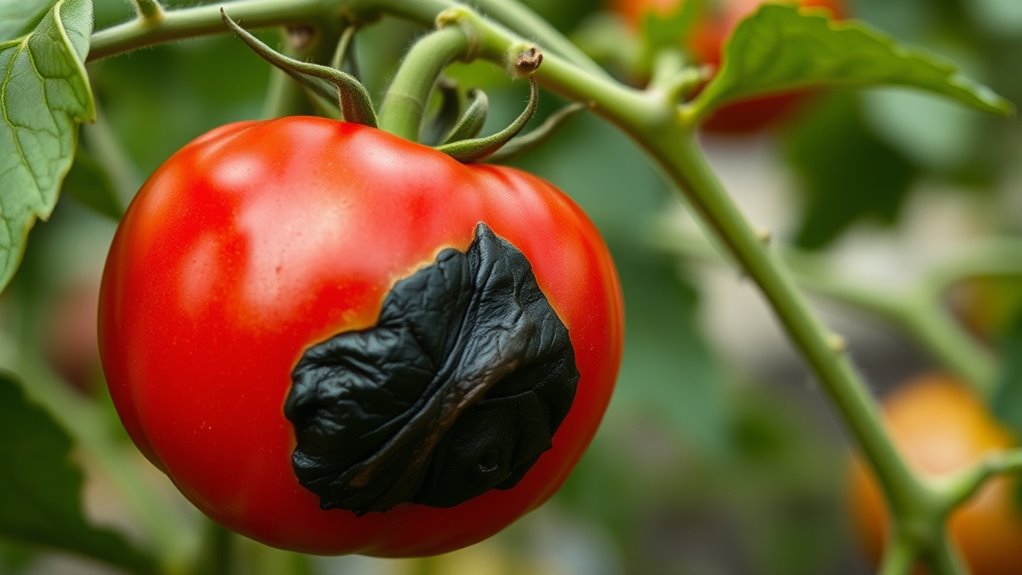
You are trained on data up to October 2023. Blossom-end rot is a common physiological disorder in tomatoes and other fruiting vegetables caused by a calcium deficiency in plant tissues. Proper calcium uptake is crucial, but factors like uneven watering and soil imbalances can impair calcium transport within the plant. Ensuring consistent soil moisture and monitoring nutrient levels helps prevent this issue. Additionally, understanding effective fraud prevention tools in transaction processing can be vital for merchants handling online sales of agricultural products, ensuring secure transactions and maintaining consumer trust.
calcium fertilizer for vegetable plants
As an affiliate, we earn on qualifying purchases.
As an affiliate, we earn on qualifying purchases.
Frequently Asked Questions
Can Calcium Deficiency Affect Plant Taste or Nutritional Quality?
Calcium deficiency can impact your plants’ taste and nutritional quality. When plants lack calcium, they often produce fruits and vegetables with a less desirable flavor and compromised nutrient content. You might notice a duller taste or weaker nutritional value in the produce. Ensuring proper calcium levels helps maintain vibrant flavors and boosts the overall nutritional quality, giving you healthier, tastier harvests. Proper fertilization and soil management are key to preventing these issues.
Are There Natural Remedies to Prevent Blossom-End Rot?
You want to prevent blossom-end rot naturally, and there are effective remedies. You can improve calcium uptake by maintaining consistent watering, avoiding drought stress, and mulching to keep soil moisture steady. Incorporate natural remedies like adding crushed eggshells or compost rich in calcium to your soil. Regularly monitor your plants, guarantee proper drainage, and use organic fertilizers. These steps help prevent blossom-end rot and promote healthy, thriving vegetables.
How Quickly Can Calcium Deficiency Symptoms Appear?
Calcium deficiency symptoms can appear quite quickly if your plants aren’t getting enough calcium, often within a week or two. The symptom onset is usually visible as dark, sunken spots on the fruit’s blossom end. You may notice the symptoms spreading rapidly if the deficiency persists. To prevent this, make certain your plants receive consistent calcium by watering evenly and considering soil amendments if needed, so deficiency symptoms stay at bay.
Does Soil Ph Influence Calcium Absorption in Plants?
Think of soil pH as a gatekeeper, controlling nutrient uptake like a sturdy door. Soil acidity directly influences how well plants absorb calcium; if the soil’s too acidic or alkaline, it’s like trying to squeeze through a locked door. When soil pH isn’t balanced, calcium absorption drops, increasing the risk of deficiencies. To keep your plants thriving, maintain a balanced soil pH to guarantee ideal nutrient uptake.
Are Certain Tomato Varieties More Resistant to Blossom-End Rot?
You might find that certain tomato varieties show more resistance to blossom-end rot. When you choose cultivars, look for those with higher variety resistance, as they naturally handle calcium fluctuations better. Selecting the right cultivar is key, especially if you’ve experienced this issue before. By focusing on resistant varieties, you can reduce the risk and enjoy healthier, more productive tomato plants throughout the season.
As an affiliate, we earn on qualifying purchases.
Conclusion
So, next time you notice blossom-end rot, remember it might just be a calcium hiccup. Sometimes, a simple fix like consistent watering or calcium-rich amendments can make all the difference. It’s funny how a little imbalance can cause such a big problem, isn’t it? By paying attention to your plants’ needs and staying vigilant, you’ll find that preventing calcium deficiency becomes second nature. After all, a healthy plant is just a few mindful steps away.
watering can with measurement marks
As an affiliate, we earn on qualifying purchases.
As an affiliate, we earn on qualifying purchases.
organic calcium supplement for plants
As an affiliate, we earn on qualifying purchases.
As an affiliate, we earn on qualifying purchases.
Evergreen bestsellers Picks
bestsellers
As an affiliate, we earn on qualifying purchases.