Maintaining a stable pH is more important than hitting an exact number because small fluctuations are natural and usually unavoidable, but large swings can disrupt enzyme function and damage biological tissues. Focusing on keeping pH within a safe, effective range helps guarantee processes run smoothly without unnecessary complications. By controlling factors like temperature and chemical additions, you can prevent harmful shifts. Keep exploring to discover how you can better manage pH stability for ideal results.
Key Takeaways
- Maintaining consistent pH ensures enzyme activity and chemical reactions function properly, even if the exact pH varies slightly.
- Small pH fluctuations are natural; focusing on stability prevents process disruptions and biological tissue damage.
- Sharp pH swings can reduce process efficiency and cause harmful byproduct formation.
- Using buffers and monitoring helps keep pH within a safe, effective range rather than chasing an exact number.
- Prioritizing pH stability promotes overall process reliability and biological health over perfect pH control.

When it comes to maintaining ideal conditions in various chemical and biological processes, pH stability often matters more than achieving perfect pH levels. You might think that hitting an exact pH number is the ultimate goal, but in reality, what matters more is how well you keep that pH consistent over time. Small fluctuations, known as pH fluctuation, are natural and often unavoidable. What’s critical is your ability to minimize these changes to preserve the overall chemical balance. If the pH swings too drastically, it can disrupt enzyme activity, interfere with chemical reactions, or even damage biological tissues, depending on the context.
Think of pH stability as maintaining a steady hand rather than aiming for a specific mark on a scale. When you focus solely on reaching a precise pH, you might overlook the importance of keeping it stable. Even if you start at the “perfect” pH, a sudden shift can throw off the entire process. For example, in wastewater treatment, small pH fluctuations can cause bacteria to become less effective at breaking down pollutants or lead to the formation of harmful byproducts. Similarly, in aquariums, unstable pH levels stress aquatic life, even if they’re initially within the acceptable range. Your goal should be to create conditions where pH remains within a safe and effective window, rather than obsessing over an exact number.
Prioritize stable pH levels within a safe range over exact pH targets for optimal process performance.
Maintaining chemical balance requires you to understand the factors that influence pH. Temperature changes, the addition of chemicals, and biological activity can all cause pH to drift. Your task is to anticipate these influences and implement measures that buffer against pH fluctuation. Using buffers, adjusting chemical dosing, or controlling temperature are practical ways to uphold stability. When you do this, you’re actively supporting the integrity of the process, ensuring reactions proceed smoothly without unnecessary interruptions caused by pH shifts. Additionally, understanding pH fluctuations helps in designing better control systems that can automatically respond to changes, further promoting stability. Recognizing the factors influencing pH enables more effective management strategies that prevent large deviations.
Furthermore, consistent monitoring and quick adjustments are essential to address any unexpected deviations promptly. In complex biological systems, even minor pH shifts can have cascading effects, so vigilance is key. Recognizing the importance of buffer systems and their role in maintaining pH stability can dramatically improve process reliability.
In essence, the focus should be on consistency rather than perfection. You don’t need to achieve a flawless pH reading if you’re able to keep it steady. The key is to monitor regularly, understand the dynamics at play, and respond quickly to any changes. This approach ensures that chemical and biological systems operate optimally, avoiding the risks associated with unstable pH levels. Stability, not perfection, is your best strategy for reliable, effective results.
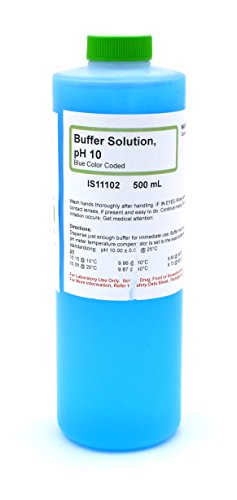
10.00 pH Standard Buffer Solution, Blue, 500mL – The Curated Chemical Collection
- Volume: 500mL bottle of buffer solution
- Application: For lab and educational use
- Purpose: Maintains standard pH level
As an affiliate, we earn on qualifying purchases.
As an affiliate, we earn on qualifying purchases.
Frequently Asked Questions
How Does pH Stability Affect Long-Term Product Consistency?
pH stability guarantees your product remains consistent over time by preventing fluctuations that can affect quality. Regular pH calibration and the use of buffer solutions help maintain accurate pH levels, reducing variability. When pH stays stable, your product’s properties stay reliable, which is vital for long-term consistency. Without this stability, even small shifts can compromise product effectiveness, making proper pH management necessary for sustained quality.
Can pH Fluctuations Harm Skin or Material Safety?
Yes, pH fluctuations can harm both skin and material safety. When pH levels shift, they trigger chemical reactions that can irritate skin or weaken materials over time. These changes may cause material degradation, leading to cracks or breakdowns, and increase the risk of skin irritation or allergic reactions. Maintaining stable pH levels helps prevent these issues, ensuring safety and longevity for both the product and your skin.
What Tools Are Best for Monitoring pH Stability?
You should use pH meters with reliable probes for monitoring pH stability. Regular calibration techniques, like using standard buffer solutions, guarantee accuracy. For consistent pH adjustment, keep a log of readings and calibrate your tools frequently. Digital pH meters are ideal because they provide quick, precise measurements, helping you maintain stable pH levels and prevent fluctuations that could harm skin or materials.
How Often Should pH Levels Be Checked During Production?
Think of pH levels as the heartbeat of your process—checking them regularly keeps everything alive. You should perform pH calibration daily and monitor sampling frequency based on your production’s stability. During critical stages, check every few hours; in steadier phases, once every shift may suffice. Consistent monitoring guarantees you catch fluctuations early, safeguarding your product’s quality and maintaining the delicate balance that keeps your process thriving.
Are There Industry Standards for Acceptable pH Variation?
Yes, industry standards for acceptable pH variation exist to guarantee regulatory compliance and product consistency. You should follow guidelines set by agencies like the FDA or EMA, which specify acceptable pH ranges for your product type. Regular pH measurement helps you stay within these limits, prevent batch failures, and maintain quality. Adhering to these standards is essential for regulatory compliance and to deliver safe, effective products to your consumers.

VIVOSUN Digital pH Meter TDS EC Meter for Water 0.01 Accuracy Hydroponics
- Application: Suitable for home and lab testing
- pH Range: Measures pH 0-14 quickly
- 3-in-1 TDS Meter: Measures TDS, EC, and temperature
As an affiliate, we earn on qualifying purchases.
As an affiliate, we earn on qualifying purchases.
Conclusion
Remember, maintaining pH stability is more essential than obsessing over perfect measurements. Studies show that even a 0.2 pH fluctuation can considerably impact product quality and safety. By prioritizing consistent pH control, you guarantee better results and reduce waste. Don’t get caught up chasing perfection—focus on steady, reliable adjustments. It’s about making small, manageable changes that add up to big improvements, keeping your process efficient and your outcomes dependable.

Tetra Correct pH, Maintains Natural pH In Aquariums, 8 Count
- Maintains Neutral pH: Helps keep ideal aquarium pH levels
- Reduces Fish Stress: Supports a healthy environment for fish
- Easy to Use: Maintains proper pH for weeks
As an affiliate, we earn on qualifying purchases.
As an affiliate, we earn on qualifying purchases.

Clorox® Pool&Spa™ Swimming Pool pH Up, Raises pH, Protects Against Eye and Skin Irritation, 4LB (Pack of 1)
- Raises pH Levels: Elevates low pH in pool water
- Enhances Swimmer Comfort: Reduces eye and skin irritation
- Protects Pool Equipment: Prevents corrosion and damage
As an affiliate, we earn on qualifying purchases.
As an affiliate, we earn on qualifying purchases.