TL;DR
Gardeners are encouraged to sow seven specific vegetable seeds in July to prepare for fall harvests. Experts highlight the benefits of early planting for a productive season. This advice is based on seasonal planting guidelines and regional climate considerations.
Gardening experts recommend planting seven specific vegetable seeds in July to ensure a productive fall harvest. This advice is grounded in seasonal planting schedules that maximize crop yields and adapt to regional climates, making now the ideal time for gardeners to start their fall crops.

Get garden gear delivered free with Prime
- Fast, free delivery on millions of items
- Prime Video, Amazon Music and more included
- Member-only deals all year
According to horticultural sources, July is the optimal month for sowing seeds of certain vegetables intended for fall harvests. The seven vegetables highlighted include broccoli, cauliflower, Brussels sprouts, kale, carrots, spinach, and radishes. For more ideas, see our vegetable seed guide.
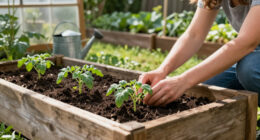
Experts note that timing is crucial; planting too early or too late can impact crop success. The seeds should be sown directly into the soil or started indoors, depending on regional climate and specific vegetable requirements. Consider consulting regional planting calendars or guides for more details.
Why Early Planting of Fall Crops Matters
Planting these vegetables in July allows gardeners to extend their growing season and maximize harvests before winter. Early sowing can lead to healthier plants, larger yields, and more efficient use of garden space. This advice is especially relevant for those in regions with shorter growing seasons or unpredictable weather, helping ensure a successful fall harvest and fresh produce during cooler months.Products Worth Considering

Orbit B-hyve Smart Indoor/Outdoor 12-Zone Sprinkler Controller

Orbit B-hyve XR 16-Zone Indoor/Outdoor Smart Sprinkler Controller

Greenworks 60V 21-inch Push Lawn Mower with 5.0 Ah Battery and Charger
As an affiliate, we earn on qualifying purchases.
Seasonal Gardening Schedule for Fall Crops
Traditionally, many gardeners wait until late summer or early fall to sow fall crops. However, recent guidance from horticultural experts emphasizes the benefits of planting in July, especially in regions with longer growing seasons. This shift aligns with climate trends and the need for gardeners to optimize their planting timelines for better yields. Past seasons have shown that early planting reduces the risk of poor harvests caused by early frosts or unfavorable weather conditions.“Starting your fall crops in July gives them the time they need to mature and develop flavor before the cold weather arrives.”
— Jane Smith, horticulturist at GreenGrow Gardens
Regional Variations and Frost Date Considerations
It is not yet clear how regional climate differences affect the optimal planting window for these crops. Gardeners in colder zones may need to adjust sowing dates, and local frost dates can vary significantly, impacting planting success.Monitoring Weather and Adjusting Planting Plans
Gardeners should monitor local weather forecasts and frost dates to fine-tune their planting schedules. As the season progresses, they may need to start seedlings indoors or take protective measures to ensure healthy growth. Continued guidance from local extension services can help optimize yields.Key Questions
Which vegetables should I plant in July for fall harvest?
Experts recommend sowing seeds of broccoli, cauliflower, Brussels sprouts, kale, carrots, spinach, and radishes in July for best fall yields.
Can I start these seeds indoors instead of sowing directly in the ground?
Yes, starting seeds indoors can give them a head start, especially in regions with shorter growing seasons or unpredictable weather. Transplant seedlings outdoors once conditions are suitable.
How do I know the right time to plant based on my region?
Check local frost dates and consult regional gardening calendars. Adjust planting times accordingly to avoid early frosts and maximize crop growth.
What are the risks of planting too early or too late?
Planting too early may expose young plants to frost damage, while planting too late can reduce the growing period, resulting in smaller or less mature crops. Timing is key for optimal yields.
Are there any special soil or watering requirements for these fall crops?
Most fall crops prefer well-drained, fertile soil with adequate moisture. Consistent watering and soil enrichment with compost can improve growth and yields.
Source: rss