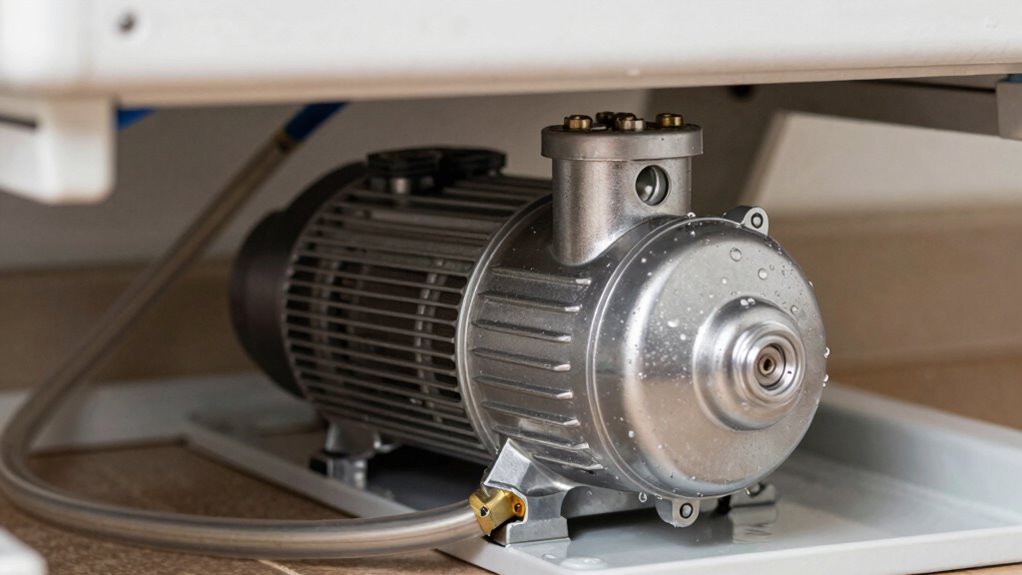

A reliable condensate pump keeps your dehumidifier setup manageable by ensuring continuous, leak-free drainage, even from hard-to-reach or elevated areas. Proper installation, including secure attachment of the outlet hose and connecting to a stable power source, is essential. Regularly inspect and clean the pump components like the float switch and impeller to prevent failures. Understanding these key details helps you avoid water damage and maintain peak performance—more insights await if you explore further.

Get garden gear delivered free with Prime
- Fast, free delivery on millions of items
- Prime Video, Amazon Music and more included
- Member-only deals all year
Key Takeaways
- Proper installation ensures efficient condensate removal and prevents system leaks or flooding.
- Understanding pump components helps troubleshoot issues quickly, maintaining dehumidifier performance.
- Regular inspection and cleaning of outlet hoses prevent blockages and water backup.
- Checking float switches and internal parts ensures continuous, reliable operation.
- Following safety protocols during maintenance extends pump lifespan and system reliability.

Have you ever wondered how condensate pumps keep your HVAC system running smoothly? These small but essential devices handle the removal of excess moisture from your dehumidifier or air conditioning unit, ensuring your space stays comfortable and dry. When it comes to maintaining or upgrading your system, understanding the pump installation process is vital. Proper installation guarantees that your condensate pump operates efficiently, preventing leaks, flooding, or system failures. You’ll want to carefully follow manufacturer instructions, ensuring the pump is positioned correctly, connected to a reliable power source, and that the outlet hose is securely attached and directed toward an appropriate drainage point. If you’re not comfortable with DIY installation, enlisting a professional can save you time and avoid costly mistakes. Understanding the installation process of condensate pumps can also help you identify potential issues early on. Regularly inspecting the drainage system can prevent water backup and damage. Maintaining a properly functioning pump is essential for system longevity and efficiency. Additionally, familiarizing yourself with the types of pumps available can help you choose the right model for your setup. Recognizing common system components and their functions is also beneficial for troubleshooting and maintenance.
Troubleshooting methods are equally important to keep your dehumidifier setup manageable. If your condensate pump isn’t functioning correctly, start by checking the power supply. Sometimes, the problem is as simple as a loose plug or a tripped circuit breaker. Next, inspect the float switch, which activates the pump when water levels rise. If the float is stuck or obstructed by debris, the pump won’t turn on. Clearing any blockages and ensuring free movement of the float can resolve this issue. Another common problem is clogs in the outlet hose, which can prevent proper drainage and cause water to back up. Regularly inspecting and cleaning the hose helps maintain smooth operation. If the pump still doesn’t run, listen for any unusual noises that might indicate a motor malfunction or bearing issue.
In troubleshooting, don’t forget to check the pump’s internal components, like the impeller, for damage or debris buildup. Sometimes, a simple reset or replacement of a faulty float switch can restore functionality. Remember, safety comes first—always disconnect power before inspecting or servicing the pump. Proper maintenance and awareness of common issues can extend the lifespan of your condensate pump and prevent unexpected failures. By understanding the essentials of pump installation and troubleshooting methods, you keep your dehumidifier or AC system running efficiently, avoiding costly repairs and ensuring your indoor environment stays comfortable year-round.
condensate pump with float switch
As an affiliate, we earn on qualifying purchases.
As an affiliate, we earn on qualifying purchases.
Frequently Asked Questions
How Often Should I Clean My Condensate Pump?
You should clean your condensate pump every three to six months, depending on your maintenance schedule. Regular cleaning prevents mold and buildup, extending the pump’s lifespan. Keep an eye on any signs of clogging or leaks, and clean more frequently if your environment is humid or dusty. Proper maintenance guarantees your dehumidifier runs efficiently, reduces repairs, and prolongs the life of your condensate pump.
Can I Use a Condensate Pump Outdoors?
Using a condensate pump outdoors is like leaving your umbrella in the rain—it’s not ideal unless it’s designed for weather resistance. You can install it outdoors if the pump is specifically rated for outdoor installation and weather resistance. Otherwise, exposure to elements like rain, snow, or humidity can cause damage and malfunction. Always check the manufacturer’s specifications to confirm your pump can handle outdoor conditions safely and reliably.
What Are Common Signs of Pump Failure?
You’ll notice signs of pump failure like water leaks, strange noises, or the pump running constantly. To prevent failure, perform regular pump maintenance by cleaning the pump and checking for clogs or debris. Make certain the float switch moves freely. Failure prevention also involves inspecting the power connection and testing the pump periodically. Addressing these issues early keeps your dehumidifier running smoothly and avoids costly repairs.
Is a Backup Power Source Needed for the Pump?
Yes, a backup power source is recommended for your condensate pump. If the main power fails, the backup guarantees continuous operation, preventing water damage and avoiding dehumidifier shutdowns. Regular pump maintenance, including checking the backup system, helps keep everything running smoothly. Investing in a backup power supply adds an extra layer of reliability, especially during power outages, ensuring your setup stays effective and trouble-free.
How Loud Is a Typical Condensate Pump Operation?
It’s usually not a big fuss—most condensate pumps operate quietly, with noise levels comparable to a running refrigerator. They’re designed to keep sound levels manageable, especially when installed with good sound insulation. You won’t even notice it most of the time, and if you’re concerned about noise, adding extra insulation can help keep things peaceful. Overall, they’re built to be unobtrusive, so your setup stays hassle-free.
dehumidifier condensate pump replacement
As an affiliate, we earn on qualifying purchases.
As an affiliate, we earn on qualifying purchases.
Conclusion
A condensate pump makes managing your dehumidifier effortless, even in tight spaces or tricky setups. You might worry about maintenance or noise, but modern pumps are quiet and easy to service. Picture your basement dry and comfortable, with no fuss or leaks—thanks to this reliable little device. With a condensate pump, you won’t have to worry about constant emptying or water damage, making your space more comfortable and worry-free.
As an affiliate, we earn on qualifying purchases.
automatic condensate pump for HVAC
As an affiliate, we earn on qualifying purchases.
As an affiliate, we earn on qualifying purchases.
Fall yard work Picks
leaf blowers
As an affiliate, we earn on qualifying purchases.