Choosing the right seeds for your hydroponic garden involves selecting varieties that germinate reliably and thrive in controlled environments. Look for seeds labeled for hydroponic or indoor growth, and consider plants suited to your space and nutrient supply, such as leafy greens or compact fruiting plants. Opt for disease-resistant seeds with shorter germination times to ensure quick start-ups. Keep these factors in mind, and you’ll set a strong foundation for a thriving garden—more insights await as you explore further.
Key Takeaways
- Select seeds labeled for hydroponic or indoor growing to ensure compatibility and higher germination success.
- Match seed varieties to your system’s environment, considering space, light, temperature, and nutrient needs.
- Choose fast-germinating, reliable seeds to achieve quicker results and easier system tuning.
- Opt for compact, space-efficient plant varieties suited for small or indoor hydroponic setups.
- Prioritize disease-resistant, adaptable seeds to reduce issues and promote healthy, consistent growth.
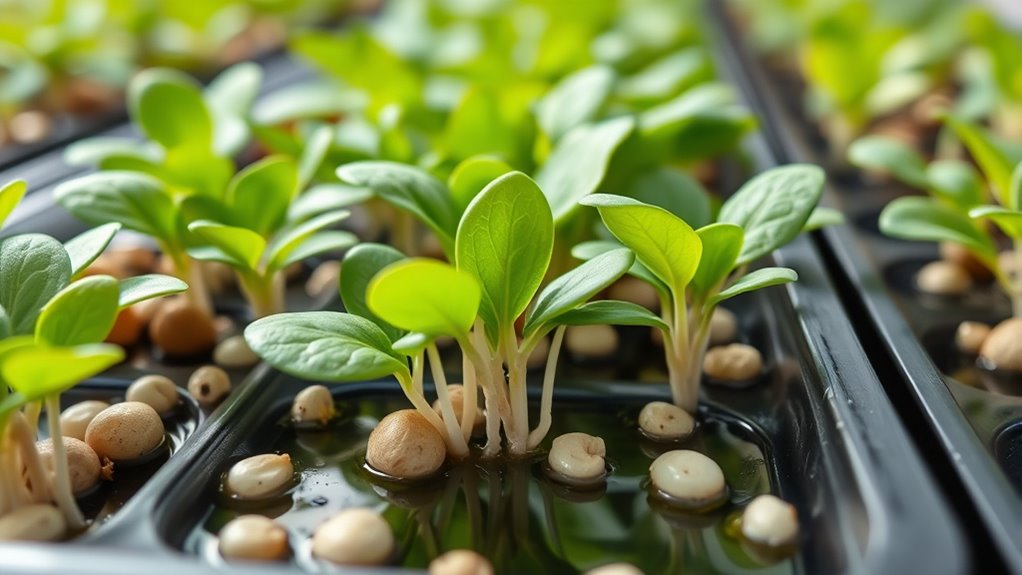
Starting a hydroponic garden is an exciting way to grow fresh produce, but choosing the right seeds is essential for success. One of the first factors to consider is seed germination, which is the process that begins when a seed sprouts and develops into a healthy seedling. Not all seeds germinate equally well in hydroponic systems, so selecting varieties known for reliable germination rates ensures your garden gets off to a strong start. Look for seeds labeled for hydroponic or indoor growing, as these are often bred to thrive in controlled environments. Proper seed germination depends on maintaining the right temperature, moisture, and light levels, so choose seeds that match your setup’s conditions to maximize germination success.
Choose seeds with reliable germination rates for a successful hydroponic garden.
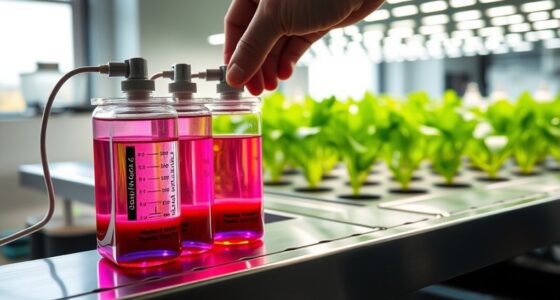
Beyond germination, understanding the nutrient requirements of your chosen plants is vital. Hydroponic systems deliver nutrients directly to the roots via nutrient-rich water solutions, so selecting seeds whose nutrient needs align with your system’s capabilities helps promote healthy growth. Leafy greens like lettuce, spinach, and herbs typically have lower nutrient demands and grow quickly, making them excellent options for beginners. Fruit-bearing plants such as tomatoes or peppers require more nutrients, specifically higher levels of nitrogen, phosphorus, and potassium, to produce abundant yields. When choosing seeds, consider your ability to provide these nutrients consistently and whether your hydroponic setup can meet these demands.
Furthermore, some seeds are better suited for hydroponics because they have shorter or more predictable germination periods. Fast-germinating seeds allow you to observe results sooner, keeping you motivated and helping you fine-tune your system. Additionally, select seeds that are disease-resistant and adaptable to hydroponic conditions, reducing the risk of issues that can arise in a soilless environment. It’s also worth considering seed size and growth habits; compact varieties often do well indoors and in small spaces, making them easier to manage in a hydroponic system.
Ultimately, choosing the right seeds involves matching their germination characteristics and nutrient requirements with your specific system and growing goals. Doing some research on each plant’s needs and tolerances can save you time and effort while increasing your chances of a bountiful harvest. Remember, healthy seedlings are the foundation of a successful hydroponic garden, so invest in quality seeds that are suited for your environment. With careful selection, you’ll set yourself up for a thriving, productive hydroponic garden that provides fresh, homegrown produce all year round.
Frequently Asked Questions
How Do Seed Genetics Influence Hydroponic Growth?
Seed genetics directly influence your hydroponic growth by determining genetic traits like disease resistance, yield potential, and growth rate. When you select seeds with strong genetic traits, they adapt better to the controlled environment, ensuring healthy development. Seed adaptability is vital for consistent results, as it helps plants thrive despite changing conditions. By choosing genetically suitable seeds, you set your hydroponic system up for success, maximizing productivity and minimizing issues.
What Are the Best Seed Sources for Hydroponic Gardening?
Think of seed sources as gateways to lush growth; choose reputable suppliers like local nurseries or trusted online stores. You’ll want seeds with high germination rates, stored properly in cool, dry conditions, ensuring resilience when planted. Reliable sources often provide detailed seed storage instructions, helping you maintain seed quality. By selecting quality seeds from trusted sources, you set a strong foundation for a thriving hydroponic garden, maximizing your success from the start.
How Do Seed Prices Affect Overall Hydroponic Project Costs?
Seed pricing directly impacts your overall hydroponic project costs. Higher seed prices can increase your budget, so you should consider budget planning carefully to stay within financial limits. Opting for cost-effective seed options without sacrificing quality helps you manage expenses better. Keep in mind that investing in good seeds can lead to healthier plants and higher yields, ultimately saving you money over time.
Can Hybrid Seeds Outperform Heirloom Varieties in Hydroponics?
You might be surprised, but hybrid seeds can often outperform heirloom varieties in hydroponics. Their seed diversity and genetic modifications give them advantages like faster growth and higher yields. While heirlooms boast flavor and heritage, hybrids are engineered for resilience and productivity in controlled environments. So, if you’re aiming for consistency and efficiency, hybrids could be your secret weapon, pushing your hydroponic garden to new heights.
Are There Specific Seed Treatments for Hydroponic Success?
Yes, there are specific seed treatments that enhance hydroponic success. You should focus on seed germination boosters that improve sprouting rates and guarantee healthy root development. Additionally, applying treatments that optimize nutrient requirements helps seeds adapt quickly to the hydroponic environment. Using fungicides or disinfectants can prevent diseases, while soaking seeds in nutrient solutions prior to planting encourages vigorous growth, giving your plants a strong start.
Conclusion
Now that you know what seeds thrive in hydroponic systems, the real challenge begins. Will you select the perfect varieties to maximize your garden’s potential? The choice you make today could release extraordinary flavors and yields, or leave you wondering what might have been. Stay curious, experiment boldly, and remember—your next great harvest is just one seed away. The secret to success is in your hands; are you ready to find out what’s possible?