
To effectively germinate seeds for hydroponics, soak them in clean, room-temperature water for 12-24 hours to soften the shell and promote uniform sprouting. Keep your seeds in a warm, draft-free environment with consistent temperatures between 65°F and 75°F. Maintain moist but not waterlogged conditions by regularly misting or covering with damp cloth. Proper soaking and temperature control accelerate germination, improve seed health, and set the stage for successful hydroponic growth—keep exploring to learn more about perfecting each step.
Key Takeaways
- Soak seeds in clean, room-temperature water for 12-24 hours to promote uniform hydration and faster germination.
- Maintain a consistent warm environment (65°F–75°F) using a heat mat or controlled grow space.
- Keep seeds moist with gentle spraying or damp cloth, ensuring the growing medium is moist but not waterlogged.
- Use a draft-free, humid environment to support healthy sprout development during initial stages.
- Monitor and adjust temperature and moisture regularly to prevent drying out or temperature fluctuations that hinder germination.
Starting seed germination for hydroponics requires careful attention to provide ideal conditions that promote healthy growth. One of the first steps you should take is seed soaking. Soaking seeds in water softens their outer shell, which helps speed up germination and encourages uniform sprouting. Typically, you should soak your seeds for about 12 to 24 hours, but always check the specific requirements for your seed type. Use clean, room-temperature water to avoid introducing pathogens or stressing the seeds. Keep the soaking container in a warm, draft-free spot to maintain consistent moisture levels. This process not only jumpstarts germination but also ensures the seeds are evenly hydrated, reducing the risk of uneven sprouting in your hydroponic system.
Temperature control plays a critical role during seed germination. Seeds generally germinate best within a specific temperature range, usually between 65°F and 75°F (18°C to 24°C). Maintaining this range ensures that metabolic processes necessary for sprouting happen efficiently. Use a thermostat-controlled heat mat if your environment tends to be cooler or if you notice inconsistent germination. Avoid extreme fluctuations in temperature, as they can inhibit sprouting or cause uneven growth. Consistent warmth encourages rapid germination and healthy root development. If you’re using a grow tent or a controlled environment, set your heater or thermostat to stay within the ideal range. Remember, too high a temperature can cause rapid water evaporation, leading to dry seeds, while too low can slow or halt germination entirely.
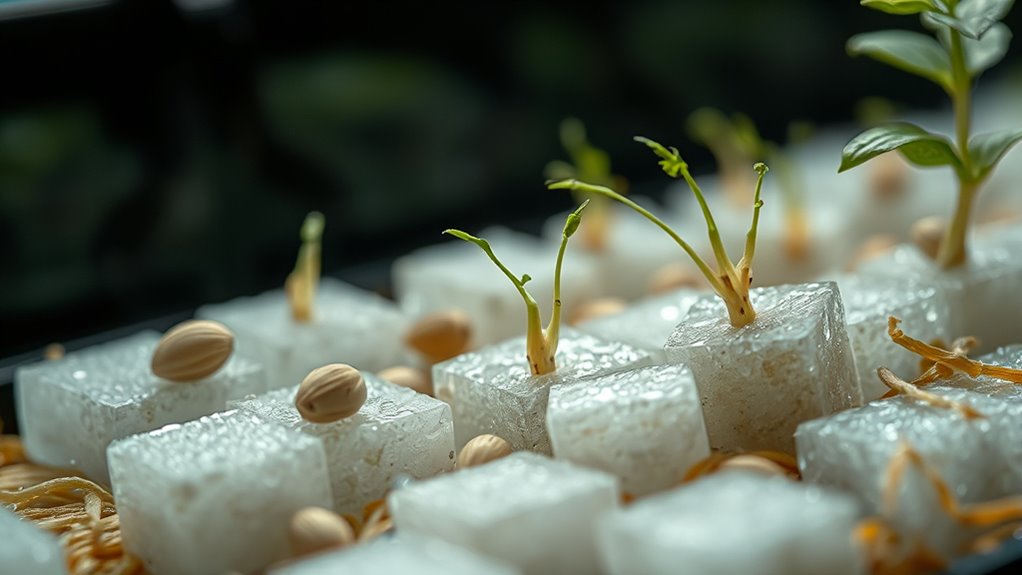
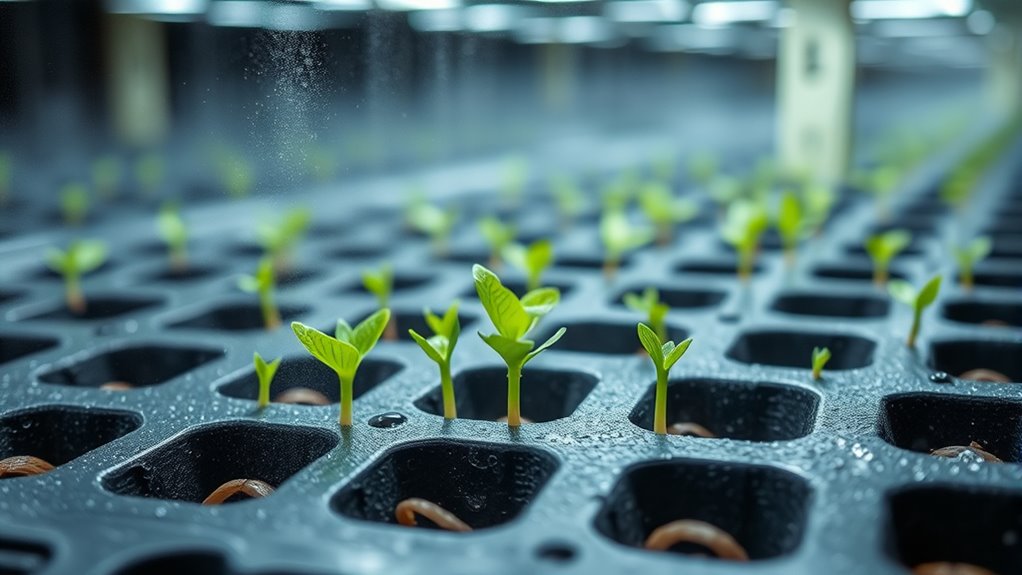
Once your seeds have soaked and the temperature is stable, you should transfer them to your hydroponic setup. Ensure the growing medium is moist but not waterlogged, as oxygen is essential for seedling health. Use a gentle spray or a damp cloth to keep the seeds moist during germination. If you’re starting seeds directly in a grow tray or net pots, make sure the environment remains warm and humid enough to prevent the seeds from drying out. Regularly monitor the temperature and moisture levels to keep conditions consistent. This proactive approach reduces stress on the seeds, leading to more uniform and robust sprouts.

Wuraire Seed Starter Tray 3 Pack with Heating Mat & 24 Full Spectrum LEDs Grow Light – Auto Cycle Timer, Humidity Dome Ventilation Cover, Drainage Holes, Includes Gardening Tools – Green Version
Ideal Size for Healthy Seedlings: This seed starter tray features a 1.9"×1.9" cell size, 50% larger than the…
As an affiliate, we earn on qualifying purchases.
As an affiliate, we earn on qualifying purchases.
Frequently Asked Questions
What Are Common Pests During Seed Germination in Hydroponics?
During seed germination in hydroponics, common pests include fungus gnats, aphids, and shore flies. To prevent these pests, you should focus on pest prevention measures like maintaining clean growing conditions and avoiding overwatering. Protect your seeds by using sterile media and monitoring regularly. These steps help keep pests at bay, ensuring your seedlings develop healthy roots and grow strong without pest interference.
How Do Temperature Fluctuations Affect Seed Germination Rates?
Imagine your seeds as travelers keen to reach their destination. Temperature fluctuations act like sudden storms, disrupting their journey. If it’s too hot or cold, seed dormancy persists, delaying germination or causing failure. Maintaining consistent temperature regulation ensures your seeds break dormancy smoothly, allowing a steady start. Stable conditions create a safe passage, boosting germination rates and helping your hydroponic garden flourish right from the beginning.
What Are the Best Nutrient Solutions for Germinating Seeds Hydroponically?
You should use a balanced seed nutrient solution with proper pH management, ideally between 5.5 and 6.5. Focus on maintaining a gentle nutrient concentration, avoiding excess salts that could hinder germination. Regularly monitor and adjust the solution pH to keep nutrient availability best. A well-balanced seed nutrient mix, combined with precise pH control, promotes healthy germination and strong seedling development in your hydroponic system.
How Can I Prevent Mold During Seed Germination?
To prevent mold during seed germination, you should focus on mold prevention by maintaining proper airflow and keeping your growing environment clean. Additionally, seed sterilization is vital; soak your seeds in a diluted hydrogen peroxide solution before planting to eliminate fungi. Use sterile containers and avoid overwatering. Regularly inspect your setup, and remove any moldy seeds promptly to guarantee healthy germination and prevent mold spread.
What Is the Ideal Humidity Level for Seed Germination in Hydroponic Systems?
Think of maintaining humidity as watering a delicate plant—you need just the right amount. For seed germination in hydroponics, aim for an ideal humidity level of around 70-80%. Proper humidity control keeps seed moisture steady, preventing mold or drying out. I once struggled with dampness until I realized consistent humidity was key. Keep a hygrometer handy, monitor regularly, and adjust as needed to create the perfect environment.

LAPOND 100 Pack Grow Sponges, Replacement Root Growth Sponges Seed Pods,Seed Starter Plugs for Hydroponic Indoor Garden System
Perfect Match: The grow sponge is compatible with LAPOND hydroponic systems and other similar products, but not compatible…
As an affiliate, we earn on qualifying purchases.
As an affiliate, we earn on qualifying purchases.
Conclusion
So, while it might seem simple to just toss seeds into your hydroponic setup, mastering the right germination techniques shows that success actually depends on careful planning and patience. Ironically, what looks like effortless growth requires your attention and precision. Don’t underestimate the little steps—proper seed germination is the foundation for healthy plants and a thriving hydroponic system. Remember, sometimes the tiniest seeds need the most care to truly flourish.

VIVOSUN 10"x 20.75" Seedling Heat Mat and Digital Thermostat Combo Set, UL & MET-Certified Warm Hydroponic Heating Pad for Germination, Indoor Gardening, Greenhouse
Reliable Results: The VIVOSUN professional heat mat maintains optimal temperatures around 68-86℉ (20-30℃), perfect for Seedling start and…
As an affiliate, we earn on qualifying purchases.
As an affiliate, we earn on qualifying purchases.

VIVOSUN AeroStream H05 Intelligent Wi-Fi Humidifier, 1.32 Gal / 5 L Humidifier with Temp & Humidity Probe, Smart Remote Control, Designed for Growers
Superior Humidity Control: This advanced ultrasonic humidifier delivers whisper-quiet, precise humidification with 1% humidity resolution; A highly sensitive…
As an affiliate, we earn on qualifying purchases.
As an affiliate, we earn on qualifying purchases.