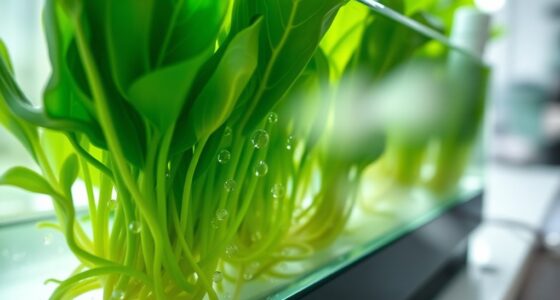
Using worm castings and vermicompost in hydroponics boosts plant health by providing essential nutrients and beneficial microbes that improve nutrient uptake and root development. You can add small amounts directly to nutrient solutions or incorporate them into your growing media. This natural approach enhances microbial activity and organic matter, supporting stronger plants and reducing reliance on chemical fertilizers. If you want to get the most out of these organic amendments, learn more about effective integration techniques.

Get garden gear delivered free with Prime
- Fast, free delivery on millions of items
- Prime Video, Amazon Music and more included
- Member-only deals all year
Key Takeaways
- Incorporate worm castings into nutrient solutions or growing media to supply essential nutrients and beneficial microbes.
- Use vermicompost as a natural supplement to enhance microbial activity and organic matter in hydroponic systems.
- Add small amounts of worm castings directly to nutrient solutions to improve nutrient availability and plant health.
- Integrate vermicompost into soilless media for better root development and nutrient absorption.
- Combine worm castings with chemical nutrients to promote sustainable, resilient plant growth in hydroponic setups.

If you’re looking to enhance your hydroponic system naturally, incorporating worm castings and vermicompost can provide significant benefits. While hydroponics typically relies on nutrient solutions, adding worm castings and vermicompost can boost soil enrichment and improve nutrient delivery within your system. These natural amendments introduce a diverse array of nutrients, beneficial microbes, and organic matter that can help your plants thrive.
Unlike synthetic fertilizers, worm castings are rich in essential nutrients like nitrogen, phosphorus, and potassium, all in forms that plants can readily absorb. This makes them an excellent supplement for optimizing nutrient delivery, especially when you want to reduce chemical inputs. Vermicompost, which is compost processed by earthworms, contains a complex mix of organic materials, enzymes, and microbial populations that work synergistically to improve plant health. When integrated into hydroponic systems, these materials can enhance the microbial activity in your root zone, leading to better nutrient uptake and stronger plant growth.
Worm castings and vermicompost supply vital nutrients and beneficial microbes to boost plant health in hydroponic systems.
Using worm castings and vermicompost in hydroponics also supports soil enrichment even in soilless systems. They introduce humic acids and other organic compounds that encourage beneficial microbial activity, which can be lacking in traditional hydroponic setups. This microbial presence helps break down organic matter and makes nutrients more bioavailable to your plants. As a result, your plants become more resilient against diseases, and their overall vigor increases. The organic matter from worm castings and vermicompost can also improve the structure of your root environment, supporting better oxygen exchange and root development.
Incorporating these amendments into hydroponic systems isn’t complicated. You can add small amounts directly to your nutrient solution or place them in growing media if you use a hybrid approach. It’s important to remember, though, that worm castings and vermicompost should complement your existing nutrient management plan. They’re not substitutes for proper pH balancing and nutrient dosing but rather natural enhancers that support overall plant health.
Frequently Asked Questions
Can Worm Castings Replace Traditional Hydroponic Nutrients Entirely?
Worm castings effectiveness alone can’t fully substitute traditional hydroponic nutrients. While they provide beneficial nutrients and improve plant health, their nutrient levels are often insufficient for fast-growing crops in hydroponic systems. Nutrient substitution viability remains limited, so you should supplement worm castings with other nutrient sources to ensure your plants get all they need. Relying solely on worm castings may lead to deficiencies and reduced yields.
How Do Worm Castings Affect Ph Levels in Hydroponic Systems?
Worm castings help stabilize pH levels in your hydroponic system, promoting better pH stability. They naturally buffer acidity and alkalinity, which supports maintaining a consistent pH. Additionally, worm castings contribute to nutrient balance by providing organic nutrients that complement synthetic solutions. This synergy can lead to healthier plant growth, but you should still monitor pH regularly to guarantee ideal conditions and prevent imbalances.
Are There Specific Worm Castings Best Suited for Hydroponic Use?
Did you know that over 4,000 worm species exist, but only a few produce the high-quality castings ideal for hydroponics? For best results, choose worm castings from species like Eisenia fetida, known for their efficient composting. Ensure castings are pure, free of contaminants, and rich in nutrients. These factors help you maximize plant growth and maintain ideal pH levels, making your hydroponic system more productive.
What Are the Environmental Impacts of Using Vermicompost in Hydroponics?
Using vermicompost in hydroponics positively impacts soil health by supplying essential nutrients and beneficial microbes. It reduces the risk of nutrient runoff, helping you maintain a cleaner environment. However, if not managed properly, excess nutrients could leach into surrounding water systems. Overall, incorporating vermicompost promotes sustainable growth, improves plant health, and minimizes environmental harm, making it an eco-friendly choice for hydroponic systems.
How Often Should Worm Castings Be Added to a Hydroponic Setup?
You should add worm castings to your hydroponic setup every 2 to 4 weeks. This allows time for compost tea to boost microbial activity, which enhances nutrient availability. Regular addition guarantees your plants benefit from the organic matter and microbes, supporting healthy growth. Be sure to monitor your system’s nutrient levels and adjust the frequency if you notice any deficiencies or imbalances.
Conclusion
Imagine your hydroponic system as a thriving garden, bursting with life and energy. By incorporating worm castings and vermicompost, you’re fundamentally feeding it a superfood cocktail, much like giving your plants a power-packed smoothie. I once saw a small tomato plant flourish wildly after just a few weeks of this magic soil. With these organic amendments, you turn your hydroponic setup into a lush, vibrant oasis—proving that nature’s smallest creatures can make the biggest difference.
Fall yard work Picks
leaf blowers
As an affiliate, we earn on qualifying purchases.