Poor storage conditions can cause germination rates to decline faster than you expect because factors like high humidity, incorrect temperature, and moisture imbalance speed up seed deterioration. Excess moisture promotes mold and premature germination, while high temperatures increase metabolic rates, damaging seeds. Over time, these issues weaken seed robustness, leading to unexpected losses in germination capacity. By understanding how environment affects seeds, you can better maintain their viability—continue to explore for more effective preservation tips.

Get garden gear delivered free — and shop member deals
- Fast, free delivery on millions of items
- Access to Prime Big Deal Days deals on October 6–7
- Prime Video, Amazon Music and more included
Key Takeaways
- Improper moisture levels can either break dormancy or cause premature deterioration, affecting germination rates unpredictably.
- Elevated temperatures increase metabolic activity, accelerating seed aging and reducing viability faster than anticipated.
- Mold growth from high humidity damages seed tissues, leading to a decline in germination potential.
- Fluctuations in storage conditions disrupt seed dormancy, causing inconsistent or rapid changes in germination rates.
- Lack of regular monitoring prevents timely adjustments, resulting in unexpected declines in seed viability.
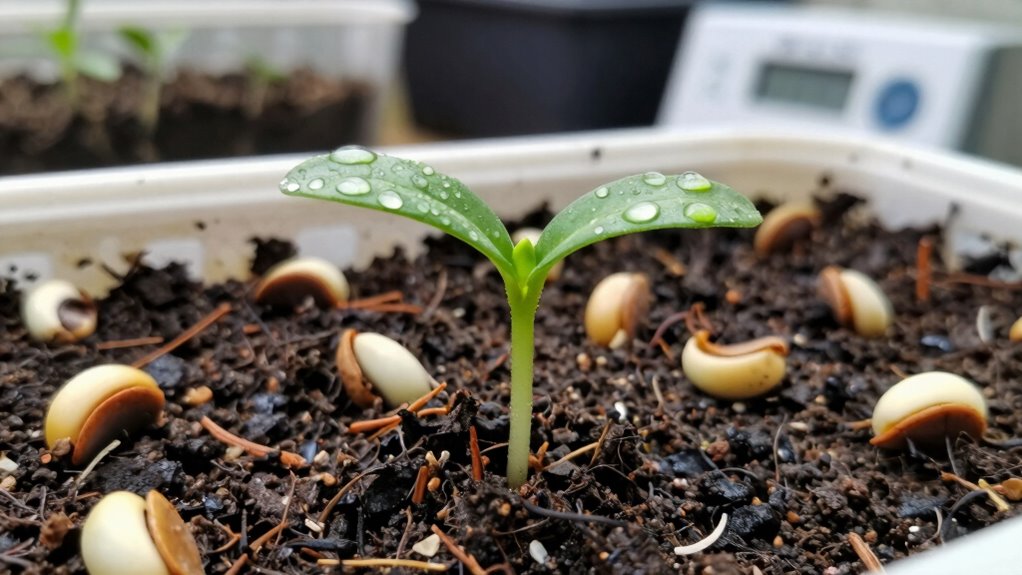
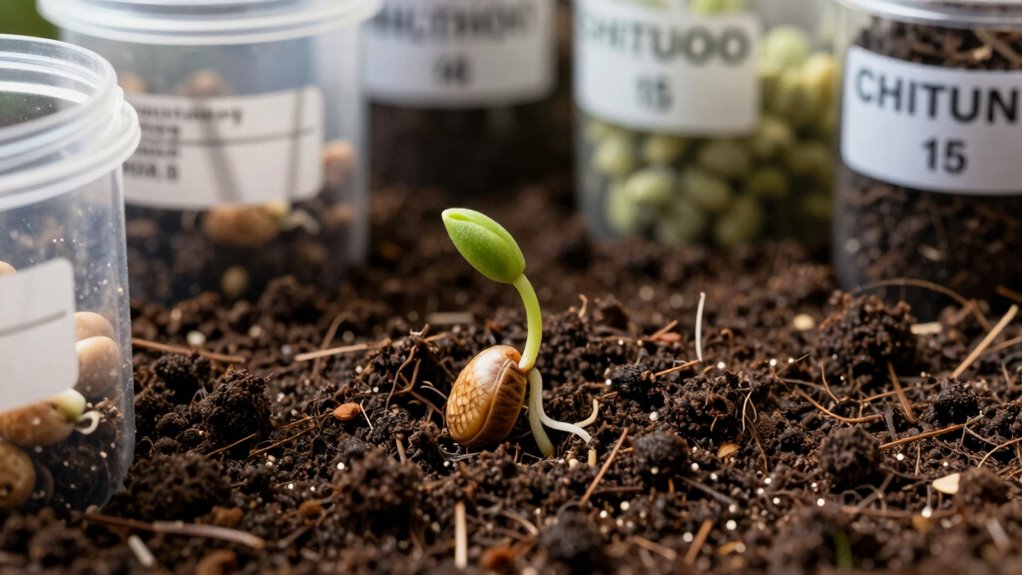
Understanding how storage conditions affect germination rates is essential for maximizing seed viability and ensuring successful plant growth. Seeds can sometimes lose their ability to sprout faster than you expect, especially if storage isn’t ideal. One key factor influencing this is seed dormancy, which is a natural state that prevents seeds from germinating prematurely. While dormancy can help seeds survive unfavorable conditions, it can also be broken down or extended depending on how you store them. When seeds are kept in conditions that don’t align with their dormancy requirements, they can lose their vitality sooner, leading to a decline in germination rates. Proper moisture control is crucial because it affects seed metabolism and overall health during storage. moisture control plays a critical role here. Seeds are highly sensitive to moisture levels; too much moisture can trigger premature germination or cause mold and decay, while too little can desiccate the seed and damage its internal structures. If you don’t maintain proper moisture control during storage, seeds may become either overly hydrated or excessively dry, both of which can accelerate deterioration. For example, storing seeds in a humid environment might break seed dormancy unexpectedly, leading to reduced viability or mold growth. Conversely, overly dry conditions can cause seeds to become brittle and lose their ability to sprout when conditions are right later on. The speed at which germination rates decline often surprises many because it’s easy to assume that seed deterioration is a slow process. However, improper storage conditions, particularly those affecting seed dormancy and moisture levels, can cause a rapid decrease in viability. Seeds stored in warm, humid environments tend to deteriorate faster due to increased metabolic activity and mold proliferation, which damage seed tissues. Additionally, understanding how storage conditions affect seed dormancy can help optimize preservation strategies and extend seed longevity for future planting. Properly managing seed longevity involves understanding the interaction between moisture, temperature, and dormancy traits to prevent rapid deterioration.
Furthermore, consistent monitoring of storage environments is vital to detect any changes that could accelerate seed degradation and to adjust conditions accordingly.
As an affiliate, we earn on qualifying purchases.
Frequently Asked Questions
How Do Different Seed Types Respond to Storage Variations?
Different seed types respond uniquely to storage variations due to their seed dormancy and storage longevity. Some seeds, like beans, tend to lose viability quickly if not stored properly, while others, like oats, can remain viable longer. You need to take into account each seed’s dormancy period and ideal storage conditions to maintain germination rates. Proper storage minimizes deterioration, helping preserve seed viability and ensuring successful germination over time.
Can Storage Humidity Impact Seed Vitality More Than Temperature?
Yes, storage humidity can impact seed vitality more than temperature. High humidity breaks seed dormancy by encouraging mold or premature sprouting, reducing germination potential. Proper humidity control helps maintain seed quality during storage, preserving dormancy until you’re ready to plant. While temperature influences metabolic rates, controlling humidity directly prevents moisture-related damage, making it a essential factor for maintaining seed vigor and ensuring successful germination when needed.
What Microscopic Changes Occur During Seed Storage?
Did you know seed viability drops by nearly 50% after just one year of storage? During storage, microscopic changes happen, like deterioration of the seed membrane, which compromises protective barriers. Enzymatic activity slows down or becomes unbalanced, affecting essential processes. These subtle shifts weaken seed structure and function, making germination less successful over time. Understanding these changes helps you optimize storage conditions and maintain seed vitality longer.
Do Seed Coatings Affect How Storage Conditions Influence Germination?
Seed coatings considerably influence how storage impact affects germination. They act as a barrier, protecting seeds from moisture, pests, and temperature fluctuations. Proper seed coating can slow down deterioration during storage, maintaining higher germination rates over time. Conversely, poor or damaged coatings expose seeds to adverse conditions, accelerating decline. As a result, understanding seed coating quality helps you manage storage conditions better, ensuring ideal germination when you’re ready to plant.
How Quickly Can Poor Storage Conditions Reduce Seed Viability?
Time is of the essence; poor storage can turn seeds from promising to pointless faster than you think. If conditions aren’t ideal, seed dormancy breaks down quickly, drastically reducing viability within weeks or months. Even with a decent storage lifespan, exposure to heat, humidity, or light accelerates deterioration. You might see germination rates drop by half in just a few weeks, so proper storage is vital to preserving seed health.
As an affiliate, we earn on qualifying purchases.
Conclusion
So, next time you toss those seeds into storage and expect them to last forever, think again. It turns out, your storage conditions are playing a sneaky game, making germination rates drop faster than your patience on a Monday morning. Why bother with proper storage if it’s just going to betray your hopes? Remember, even seeds have their limits—so treat them better, or they’ll remind you who’s really in charge of your garden’s fate.
seed drying and preservation tools
As an affiliate, we earn on qualifying purchases.
As an affiliate, we earn on qualifying purchases.
As an affiliate, we earn on qualifying purchases.
Fall yard work Picks
leaf blowers
As an affiliate, we earn on qualifying purchases.