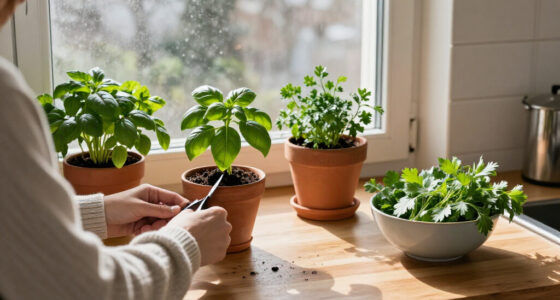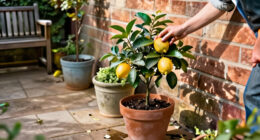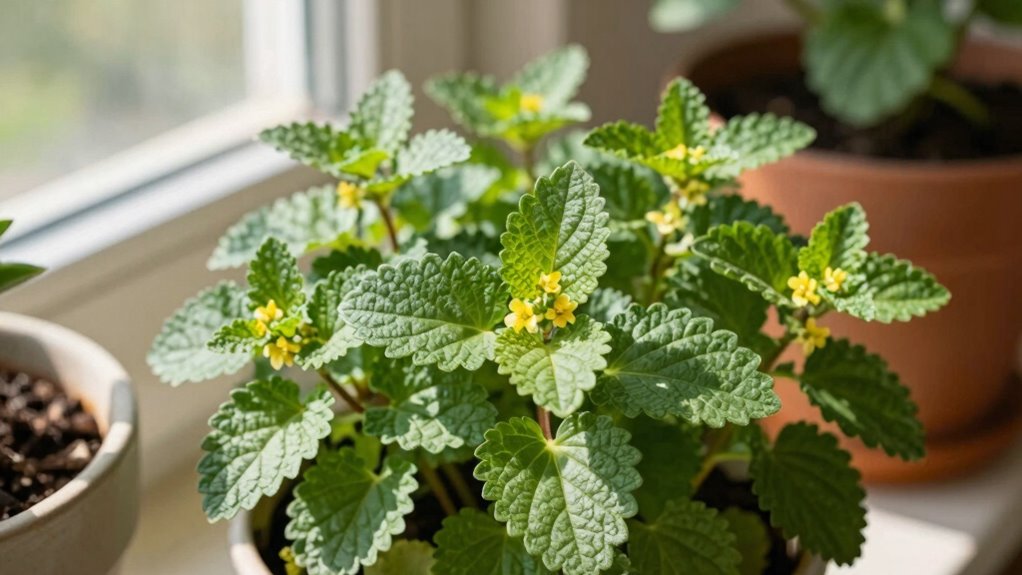

Growing lemon balm indoors is easy and rewarding, especially if you want a calming herb at your fingertips. It thrives in bright, indirect light and prefers well-draining soil, making it perfect for windowsills or small spaces. Regular watering and occasional pruning help keep it healthy and bushy. This resilient, low-maintenance herb enhances teas, aromatherapy, and wellness routines. If you keep caring for it, you’ll uncover even more ways to enjoy this soothing, sustainable plant.

Get garden gear delivered free with Prime
- Fast, free delivery on millions of items
- Prime Video, Amazon Music and more included
- Member-only deals all year
Key Takeaways
- Lemon balm thrives indoors with bright, indirect sunlight and well-draining soil, making it ideal for windowsills or balconies.
- Its easy-care nature and regular pruning promote bushier growth, providing a continuous supply for teas and aromatherapy.
- The herb supports relaxation, holistic wellness, and medicinal benefits, making it a valuable addition to indoor gardens.
- Lemon balm is adaptable to limited spaces and indoor environments, requiring minimal effort for sustainable, eco-friendly cultivation.
- Understanding its growth habits and benefits can inspire innovative, health-focused uses and deepen ecological appreciation.

Growing lemon balm indoors is straightforward and highly rewarding. It thrives in bright, indirect sunlight and prefers well-draining soil. You can cultivate it in a pot on your windowsill or balcony, ensuring it gets plenty of light without direct, harsh rays. Regular watering keeps the soil moist but not waterlogged, and occasional pruning encourages healthy growth and a bushier plant. As it matures, you can harvest leaves as needed, ensuring a fresh supply for teas and aromatherapy. The plant’s resilience makes it perfect for beginners or anyone wanting a low-maintenance herb. Additionally, understanding its scientific breakthroughs can inspire innovative ways to incorporate lemon balm into holistic wellness routines. Recognizing its medicinal benefits can help you appreciate the herb’s full potential in your health and relaxation practices. Exploring the biodiversity of herbs like lemon balm can also deepen your connection to sustainable living practices that support overall ecosystem health. Moreover, its adaptability makes it an excellent choice for indoor gardening, especially in limited space environments. Incorporating knowledge about its growth habits can further enhance your success in cultivating this calming herb indoors.
As an affiliate, we earn on qualifying purchases.
Frequently Asked Questions
Can Lemon Balm Be Grown Successfully in Low-Light Conditions?
Yes, you can grow lemon balm successfully in low-light conditions, but it may not thrive as well as in brighter spots. For effective low light gardening, place your lemon balm where it gets some indirect sunlight or bright artificial light. During indoor herb care, guarantee consistent watering and good air circulation. While it tolerates low light, providing more light improves its growth, flavor, and overall health.
How Often Should I Water Lemon Balm Indoors?
Imagine you’ve just brought lemon balm inside, and you wonder about watering frequency. Typically, you should water when the top inch of soil feels dry, usually once a week. Keep in mind, indoor humidity levels also affect watering needs; higher humidity means less frequent watering. If your air is dry, you might need to water a little more often. Always check soil moisture to prevent over- or underwatering.
Is Lemon Balm Safe for Pets Indoors?
Lemon balm is generally safe for pets indoors, but you should always consider pet safety and toxicity concerns. While it’s non-toxic to most animals, some pets might experience mild stomach upset if they ingest large amounts. To keep your pets safe, monitor their interactions with the plant, and consult your veterinarian if you notice any adverse reactions. It’s better to be cautious and verify that lemon balm doesn’t cause any health issues.
How Do I Prevent Pests on Indoor Lemon Balm Plants?
Imagine your indoor lemon balm thriving, free from pests. To prevent pests, start with good pest prevention habits like inspecting new plants and keeping leaves clean. Use natural remedies such as neem oil or insecticidal soap at the first sign of trouble. Regularly check your plant, guarantee proper airflow, and avoid overwatering. These steps keep pests at bay and protect your lemon balm’s calming benefits.
What Are the Best Containers for Indoor Lemon Balm?
You should choose containers with good drainage to prevent overwatering and root rot. Look for pots with drainage holes and use well-draining soil. When herb harvesting, avoid damaging the roots by gently removing leaves and stems. This helps keep your indoor lemon balm healthy and thriving. Opt for slightly larger containers as the plant grows, ensuring it has enough space for roots to spread without becoming waterlogged.
herb gardening pots for windowsill
As an affiliate, we earn on qualifying purchases.
As an affiliate, we earn on qualifying purchases.
Conclusion
Don’t let limited space or doubts hold you back—growing lemon balm indoors is simple and rewarding. It’s easy to care for, and its calming scent can transform your home into a peaceful retreat. Even if you think you lack a green thumb, starting small with a pot on your windowsill can boost your confidence. Embrace this herb’s versatility; it’s more than just a plant—it’s a way to create calm and bring nature closer to your everyday life.
As an affiliate, we earn on qualifying purchases.
As an affiliate, we earn on qualifying purchases.
Fall Picks
fall essentials
As an affiliate, we earn on qualifying purchases.