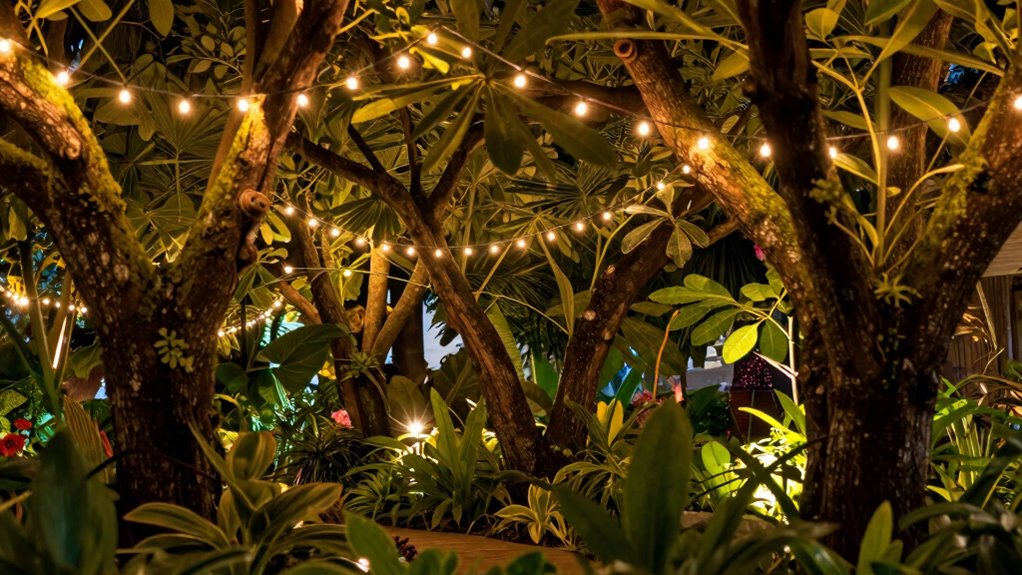

Under-canopy lights are indeed more of a niche solution than many gardeners expect. They work best in areas with sufficient sunlight, but heavy shade limits their ability to generate power. These lights support delicate plants and seedlings, but aren’t a universal fix for shaded zones. Plus, they can disrupt wildlife or attract pests if not placed carefully. To get the most out of them, you’ll need to plan thoughtfully. If you’re curious about optimizing your garden’s lighting, there’s more to explore.
Key Takeaways
- Under-canopy lights are specialized tools primarily for shaded areas, not a universal garden lighting solution.
- Their effectiveness depends on adequate sunlight, limiting use in heavily shaded or dense environments.
- They support plant growth in dark areas but can disrupt wildlife if not carefully placed.
- Different lighting technologies vary in ecological impact and energy efficiency, influencing sustainable choices.
- Proper planning is essential to balance their benefits with environmental considerations and natural ecosystem dynamics.

Have you ever wondered how to extend your garden’s growing season or improve plant health beneath dense canopies? Under-canopy lights might seem like a straightforward solution, but they’re more niche than many gardeners realize. While the idea of adding artificial light under thick foliage sounds simple, the reality involves understanding how these lights interact with your garden environment, especially when considering options like solar power. Solar-powered under-canopy lights are appealing because they’re eco-friendly and cost-effective over time, but they also come with limitations. They require sufficient sunlight during the day to store energy, which might be challenging under dense trees or shrubs. If your garden is shaded heavily, relying solely on solar power could mean less effective lighting, reducing the benefits you hoped for in extending your growing season or boosting plant health.
Solar-powered under-canopy lights need ample sunlight; heavy shading limits their effectiveness for extending growing seasons.
Beyond technical considerations, it’s essential to think about the wildlife impact. Installing under-canopy lights can attract or disturb local creatures, especially nocturnal animals. Bright lights may disrupt their natural behaviors or habitats, which is a concern if you’re committed to maintaining a balanced ecosystem. Some wildlife might be drawn to the illumination, seeking food or shelter, while others could be deterred, affecting local biodiversity. As a gardener, you need to weigh the advantages of longer growing periods against potential ecological consequences. Thoughtful placement and dimmable, wildlife-friendly lighting options can help mitigate negative effects, but it’s not always straightforward.
In addition, you should recognize that under-canopy lighting isn’t just about providing light; it’s about creating a balanced environment. Using lights in a shaded garden requires precision. You want to support photosynthesis and plant growth without overwhelming your garden’s natural rhythm or attracting unwanted pests. Because of this, many gardeners find that under-canopy lighting works best for specific purposes—such as nurturing seedlings or delicate plants that need a boost during darker months—rather than as a broad solution to all shaded areas. Understanding how artificial lighting interacts with natural ecosystems is crucial to avoid unintended consequences. Proper planning and ecological awareness can help gardeners make more sustainable choices when considering these systems. Additionally, it’s important to consider how light intensity can be adjusted to suit different plant needs and minimize disturbance.
Moreover, selecting the right type of lighting technology is crucial, as different options offer varying levels of efficiency and environmental impact. Recognizing the importance of energy efficiency can help gardeners choose more sustainable solutions that align with eco-friendly principles. Ultimately, under-canopy lights occupy a niche in gardening. They’re not a one-size-fits-all fix but a tool that demands careful planning and consideration. If you decide to incorporate them, think about solar power’s limitations and the potential wildlife impact. This way, you can enjoy the benefits of extending your growing season or improving plant health while respecting the natural balance of your garden’s ecosystem. The key is to use these lights thoughtfully, recognizing their role as one part of a holistic gardening strategy rather than a universal solution.

SOLPEX Mini Solar Ground Lights, 10 Pack Solar Lights Outdoor Waterproof, Pathway Lights Solar Powered, Solar Garden Lights, Landscape Lighting for Yard Driveway Walkway (Warm White)
- Product Type: Mini solar pathway lights
- Material: Stainless steel and plastic
- Size: 2.4 x 2.7 inches
As an affiliate, we earn on qualifying purchases.
As an affiliate, we earn on qualifying purchases.
Frequently Asked Questions
Can Under-Canopy Lights Help With Plant Growth in Shaded Areas?
Yes, under-canopy lights can help with plant growth in shaded areas by providing artificial sunlight, which supplements limited natural light. These lights support shade adaptation, allowing plants to photosynthesize effectively even in low-light conditions. You can use them to promote healthy growth, especially for shade-loving plants or during seasons with less sunlight. Proper placement and intensity are key to ensuring your plants thrive under these supplemental lights.
Are Under-Canopy Lights Suitable for All Types of Trees?
Under-canopy lights aren’t suitable for all tree species, especially those with dense foliage that blocks light. You should consider the specific lighting aesthetics you want to achieve, as some trees may not benefit from additional illumination. For shade-tolerant or smaller trees, these lights can enhance visual appeal and highlight unique features. However, for larger, dense canopies, they might not provide the desired effect or be worth the investment.
How Do I Choose the Right Wattage for Under-Canopy Lighting?
Like choosing the right sword in a medieval quest, selecting wattage for under-canopy lighting depends on your needs. For subtle light intensity, opt for lower wattage, around 3-7W, perfect for ambiance. If you want brighter illumination, go higher, up to 15W. Consider your tree’s size and the desired effect. Remember, too much wattage can overwhelm, so balance your wattage selection with the natural beauty you aim to highlight.
Do Under-Canopy Lights Require Special Wiring or Electrical Setups?
Under-canopy lights usually don’t need special wiring if you use solar automation or connect them to outdoor power sources. Solar-powered options are easy—they don’t require electrical work and automatically store energy during the day. For wired lights, you might need to upgrade your outdoor wiring or install a dedicated circuit for safety. Always check local codes and consider consulting an electrician to guarantee safe, proper setup.
How Often Should Under-Canopy Lights Be Maintained or Replaced?
Think of your under-canopy lights as loyal guardians, needing care to stay bright. You should check them every few months and replace bulbs when they dim or flicker. Regular maintenance guarantees the right light color and reduces power consumption, saving you money and energy. If you notice persistent issues, it might be time to upgrade fixtures. Proper upkeep keeps your garden glowing beautifully, like a secret kept in the dark but revealed by light.
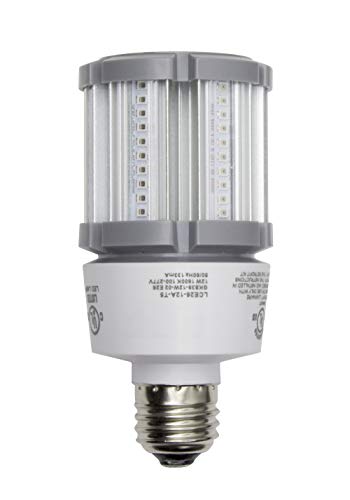
Solus 11W Amber LED Bulb – E26 Medium Base – 336 Lumens – Turtle Friendly, Wildlife Approved – 50,000 Hr Life – 1387K | 596nm | 100-277V – Outdoor Safe – UL/cUL Listed – Non-Dimmable
- Wildlife & Turtle Friendly: Amber light protects wildlife and sea turtles
- Long-Lasting & Energy Efficient: Up to 50,000 hours lifespan, maintenance-free
- Wide Voltage Compatibility: Operates on 100–277V for versatile use
As an affiliate, we earn on qualifying purchases.
As an affiliate, we earn on qualifying purchases.
Conclusion
While under-canopy lights might seem like a niche tool, they’re actually quite powerful—boosting plant growth and health when used correctly. Did you know that studies show plants can increase photosynthesis efficiency by up to 30% under ideal lighting? That’s a significant boost, proving these lights aren’t just for specialized setups. So, don’t overlook their potential; with the right application, under-canopy lights can transform your gardening success more than you might expect.
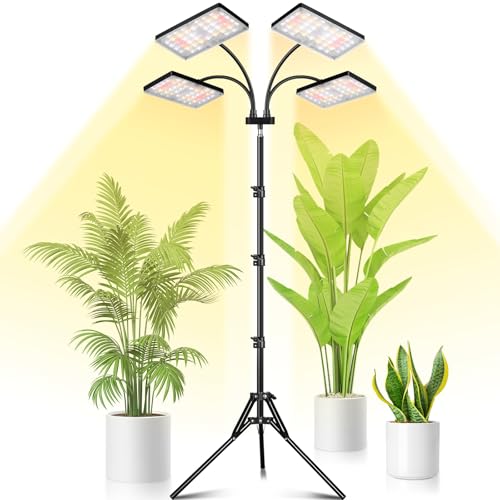
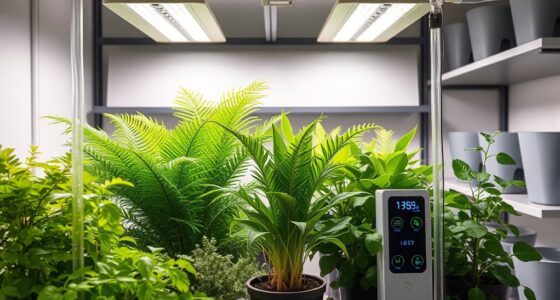
Grow Lights for Indoor Plants, 4-Head Full Spectrum Standing Plant Light
- Wide Coverage: Adjustable four-head design for multiple plants
- Full Spectrum Lighting: 184 LEDs mimic natural sunlight for healthy growth
- Efficient Cooling System: Metal backplate dissipates heat for longevity
As an affiliate, we earn on qualifying purchases.
As an affiliate, we earn on qualifying purchases.

GKGG Solar Lights Outdoor Waterproof IP65, Solar Powered 76 LED 3 Lighting Modes Solar Spot Lights Outdoor for Yard Garden Landscape Pathway (Warm White, 4 Pack)
- Number of LEDs: 76 LEDs for bright illumination
- Waterproof Design: IP65 waterproof for all weather use
- Durable Material: High-quality ABS construction
As an affiliate, we earn on qualifying purchases.
As an affiliate, we earn on qualifying purchases.