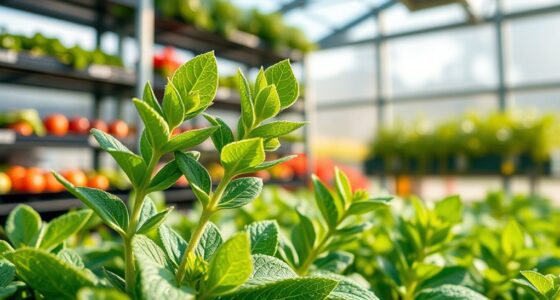
Growing dill indoors in spring is highly underrated because it gives you fresh, aromatic herbs all year round, free from unpredictable weather and pests. By placing your dill near a sunny window or under grow lights, you can guarantee healthy growth with proper watering and drainage. This approach makes gardening easier and more consistent, letting you enjoy delicious herbs anytime. Keep exploring to uncover more simple tips for thriving indoor dill, even during the busiest seasons.

Get garden gear delivered free with Prime
- Fast, free delivery on millions of items
- Prime Video, Amazon Music and more included
- Member-only deals all year
Key Takeaways
- Indoor dill cultivation ensures year-round freshness, especially in spring when outdoor planting is limited by weather.
- Growing dill indoors reduces pest risks, leading to healthier plants and more consistent harvests.
- Indoor environments allow for controlled light and water, promoting robust dill growth early in the season.
- Starting dill indoors in spring extends the growing season and prevents premature flowering or bolting.
- Indoor gardening makes dill easily accessible for culinary use, even when outdoor conditions are unfavorable.

Growing dill indoors is a rewarding way to enjoy its fresh, aromatic leaves year-round, even when outdoor gardening isn’t an option. When you decide to cultivate dill inside, you take control of its herb care, guaranteeing it receives the right conditions to thrive. Unlike outdoor gardens, indoor setups protect your dill from unpredictable weather and pests, making it easier to maintain a healthy plant. You’ll want to place your dill near a sunny window or under grow lights, as it loves bright, direct light. Keep the soil moist but not waterlogged, and make sure your pot has good drainage to prevent root rot. Regular watering, combined with occasional fertilizing, will keep your dill vigorous and lush throughout the year.
Growing dill indoors ensures year-round freshness, protected from weather and pests with proper light, watering, and drainage.
One of the key benefits of growing dill indoors is that you can manage pest prevention more effectively. Outdoor dill is often vulnerable to aphids, spider mites, and other pests that can quickly damage or destroy the plant. Inside, you’re less likely to deal with these issues, but it’s still important to stay vigilant. Check your dill regularly for any signs of pests or disease. If you notice tiny insects or discolored leaves, act promptly with natural remedies like neem oil or insecticidal soap. Keeping the area around your plant clean and free of dead leaves or debris also minimizes pest risks. This proactive approach to herb care helps ensure your dill remains healthy and productive. Proper herb care practices greatly contribute to the longevity and productivity of your indoor dill. Additionally, understanding plant maintenance techniques can further enhance your success with indoor gardening. Developing a routine for monitoring plant health can help you catch issues early and keep your dill thriving. Incorporating proper watering techniques is essential to prevent overwatering or underwatering, which can stress your plant and make it more susceptible to pests or disease.
Spring is an excellent time to start growing dill indoors because it’s when many outdoor plants begin to flourish, and starting inside allows you to extend the growing season. You can seed your dill in early spring, giving it plenty of time to develop strong roots before the outdoor growing season begins. Since dill tends to bolt quickly in hot weather, keeping it indoors during the spring prevents premature flowering and seed production. This way, you can harvest fresh leaves for salads, garnishes, or pickling whenever you need them, making your meals more flavorful. Additionally, indoor gardening provides a controlled environment that helps prevent pests and diseases common in outdoor settings, ensuring a more consistent harvest. Growing dill indoors also offers the chance to experiment with different varieties and to enjoy fresh herbs even when outdoor conditions aren’t ideal. With proper herb care, including adequate light, watering, and pest prevention, your indoor dill can thrive and provide you with a continuous supply of its distinctive aroma and flavor. Whether you’re a seasoned gardener or just starting out, cultivating dill inside is a simple, satisfying way to add a fresh, spring-like touch to your kitchen all year long.
As an affiliate, we earn on qualifying purchases.
Frequently Asked Questions
Can Dill Be Grown Successfully Year-Round Indoors?
Yes, you can grow dill successfully year-round indoors. To maintain its herb flavor, guarantee it gets plenty of bright, indirect light and keep the soil consistently moist. Use proper growing techniques like providing good drainage and trimming regularly to promote healthy growth. With these steps, your dill will thrive indoors, offering fresh herb flavor whenever you need it, even during the off-season.
What Are the Best Indoor Containers for Dill?
The best indoor containers for dill are shallow, wide pots with drainage holes, giving the roots plenty of space and preventing waterlogging. Using companion planting with herbs like basil can enhance growth and pest control. Dill attracts beneficial insects, helping manage pests naturally. Choose lightweight containers for easy movement and guarantee your containers are big enough for healthy root development, making your indoor garden more productive and resilient.
How Do I Prevent Pests on Indoor Dill Plants?
To prevent pests on your indoor dill plants, start with regular pest identification—check leaves for tiny bugs or holes. Keep plants healthy with proper watering and good airflow. Use organic remedies like neem oil or insecticidal soap if pests appear. Quarantining new plants also helps prevent pest spread. Consistent monitoring and maintaining plant health are key to keeping pests at bay and ensuring your dill thrives indoors.
Does Dill Require Special Lighting Indoors?
Think of your indoor garden as a symphony, and dill as a delicate melody needing the right notes. Dill doesn’t require special lighting, but it thrives best with bright, direct sunlight or grow lights mimicking that glow. In indoor gardening, this herb’s flavor blooms when it gets enough light, making your dill stand out with vibrant taste. So, make certain your setup offers plenty of light to keep your herb flavorful and flourishing.
How Often Should I Water Indoor Dill Plants?
You should water your indoor dill plants when the soil moisture feels dry about an inch below the surface. Typically, this means watering every 2-3 days, but it depends on your home’s humidity and temperature. Keep a consistent watering schedule, ensuring the soil stays moist but not waterlogged. Regularly check soil moisture to prevent overwatering or underwatering, promoting healthy, flavorful dill growth indoors.
As an affiliate, we earn on qualifying purchases.
Conclusion
Don’t overlook dill in your indoor garden—it’s like a hidden gem waiting to shine. As spring breathes new life into your space, this underrated herb can add fresh flavor and vibrant greenery to your home. Think of dill as the silent star of your garden, quietly enhancing your dishes and atmosphere. Embrace it now, and watch how it transforms your indoor oasis into a lively, fragrant paradise that’s bursting with potential.
As an affiliate, we earn on qualifying purchases.
herb watering cans for indoor plants
As an affiliate, we earn on qualifying purchases.
As an affiliate, we earn on qualifying purchases.
Fall yard work Picks
leaf blowers
As an affiliate, we earn on qualifying purchases.