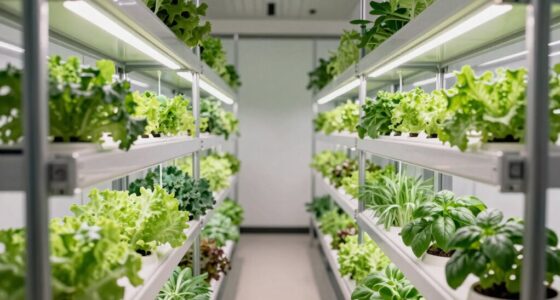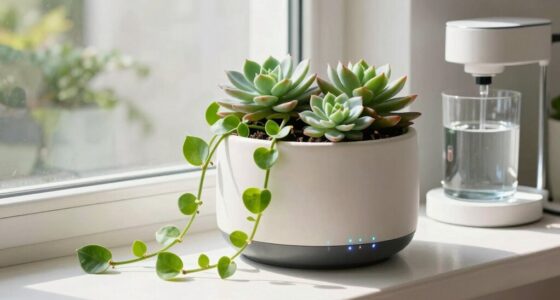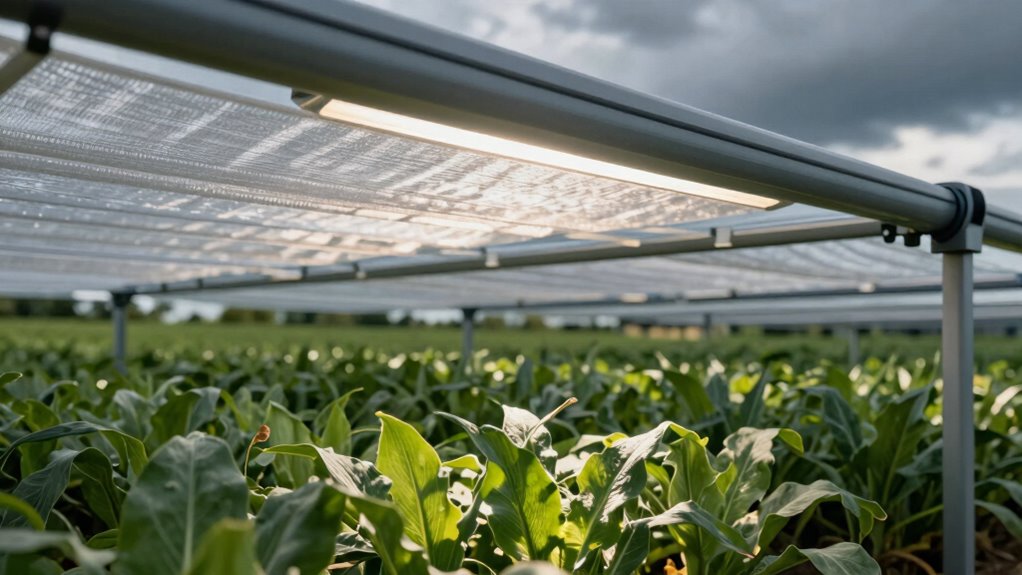

Dimming lights isn’t just about saving energy; it’s a powerful tool for controlling your crops’ growth. By adjusting light intensity, you can reduce plant stress, prevent damage, and optimize development stages like flowering and fruiting. It helps you respond to changing weather and seasonal needs, ensuring consistent growth and higher yields. When you master dimming, you’ll open better crop management strategies that boost health and productivity—more insights await to help you grow smarter.

Get garden gear delivered free — and shop member deals
- Fast, free delivery on millions of items
- Access to Prime Big Deal Days deals on October 6–7
- Prime Video, Amazon Music and more included
Key Takeaways
- Dimming allows precise regulation of light intensity to optimize plant growth stages and improve crop yields.
- It helps prevent stress and damage from excessive light, ensuring healthier, more resilient plants.
- Adaptive dimming adjusts light levels based on weather and season, maintaining consistent growth conditions.
- Dimming reduces energy waste and operational costs while maintaining ideal light environments for crops.
- It serves as a strategic tool for crop management, influencing flowering, fruiting, and overall plant development.
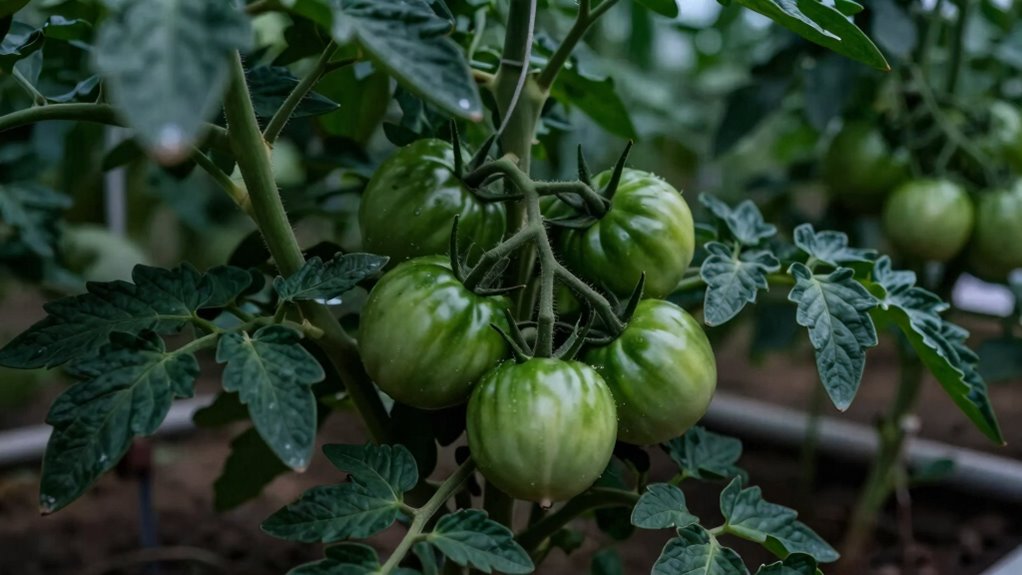
Have you ever wondered how to enhance your garden’s growth while managing light exposure effectively? Dimming isn’t just about cutting energy costs; it’s a powerful tool for controlling your crops. Light intensity plays an essential role in plant growth, influencing everything from germination to flowering. Too much light can cause stress, leaf burn, or uneven development, while too little hampers photosynthesis and stunts growth. By adjusting light levels precisely, you create an environment where your plants can thrive without overexposure or deficiency.
Dimming optimizes plant growth by balancing light exposure, reducing stress, and promoting healthy development.
When you implement dimming techniques, you’re actively managing the amount of light your plants receive throughout different growth stages. For seedlings, lower light intensity can prevent scorching delicate shoots, encouraging healthy, uniform development. As plants mature, increasing light gradually can promote robust growth and higher yields. Dimming allows you to fine-tune this process, guaranteeing ideal photosynthesis rates without risking damage from excessive brightness. It’s about finding that sweet spot where plant growth is maximized without unnecessary stress.
Using dimming controls, you gain the flexibility to respond to changing weather conditions or seasonal variations. On cloudy days, you can dial down the lights to prevent overexposure, while on sunnier days, you might increase intensity to compensate for natural sunlight. This dynamic adjustment ensures your crops receive consistent light levels, fostering steady growth and reducing the risk of uneven ripening or flowering. Additionally, controlling light intensity through dimming helps regulate plant processes like flowering time and fruiting, giving you more precise crop control.
Dimming also contributes to better resource management. By reducing unnecessary light output, you cut energy consumption and lower operational costs. This isn’t just good for your budget but also for sustainability. When you’re able to tailor light levels closely to your plants’ needs, you minimize waste and improve overall crop quality. The ability to control light intensity effectively means fewer pests and diseases that can flourish under overly intense or inconsistent lighting conditions.
In essence, dimming isn’t just a matter of saving electricity—it’s a strategic approach to crop management. It gives you the ability to manipulate the environment actively, guiding plant development and optimizing yield. Whether you’re growing vegetables, flowers, or medicinal herbs, adjusting light intensity with precision becomes a key part of your cultivation toolkit. When done right, it transforms how you control your garden, making it more productive, sustainable, and responsive to your plants’ needs.
Furthermore, understanding biodiversity and its impact on ecosystems can help inform more sustainable gardening practices that support local plant and animal species while optimizing crop growth. Incorporating environmental factors into your planning can further enhance the effectiveness of your dimming strategies.
LED grow lights with dimming control
As an affiliate, we earn on qualifying purchases.
As an affiliate, we earn on qualifying purchases.
Frequently Asked Questions
How Does Dimming Affect Plant Growth Speed?
Dimming can slow down plant growth by reducing photosynthesis efficiency, as less light means less energy for plants to develop. However, with proper light spectrum adjustment, you can optimize the remaining light, encouraging healthy growth without overexposure. By controlling light intensity through dimming, you allow plants to focus their energy more effectively, potentially speeding up growth or improving crop quality, depending on your specific setup and plant needs.
What Types of Crops Benefit Most From Dimming?
Imagine delicate dancers, their movements guided by a gentle spotlight—certain crops thrive under dimmed light. With dimming technology, you’ll find leafy greens, herbs, and flowering plants benefit most, as you adjust the light spectrum to mimic natural conditions. This precise control encourages better growth, enhances flavors, and reduces stress. By tailoring the light environment, you help your crops reach their full potential, like dancers in perfect harmony with the stage.
Can Dimming Replace Traditional Shading Methods?
Yes, dimming can replace traditional shading methods by adjusting artificial lighting to control light intensity and temperature, which benefits crop growth. You can fine-tune soil moisture levels and optimize plant conditions without heavy shading. Dimming allows you to create a tailored environment, reducing heat stress and ensuring consistent light exposure, making it a flexible alternative that improves crop health while conserving energy.
Are There Risks of Over-Dimming Plants?
Imagine over-dimming as dimming a lighthouse too much, leaving ships in darkness. Yes, there’s a risk—you could reduce light intensity so much that photosynthesis efficiency drops, stunting plant growth. Too little light hampers the energy plants need, much like a lighthouse failing to guide ships safely. To prevent this, carefully monitor light levels, ensuring you maintain ideal light intensity for healthy crop development.
How Does Dimming Influence Pest Control?
Dimming can influence pest control by altering insect behavior and reducing pest attraction. When lights are dimmed, pests may find the environment less appealing, discouraging their presence and activity around your crops. This change in light intensity disrupts their usual patterns, making it harder for pests to locate host plants. As a result, dimming becomes an effective, eco-friendly strategy to manage pests without relying on chemical controls.
As an affiliate, we earn on qualifying purchases.
Conclusion
Dimming isn’t just about saving energy—it’s a powerful tool for crop control. Did you know that adjusting light levels can boost yields by up to 20%? By fine-tuning your lighting, you can optimize growth, reduce stress, and improve quality—all while conserving resources. So, next time you think about lighting, remember: a simple dim can make a big difference in your crop’s success. Embrace dimming and watch your harvest thrive.
As an affiliate, we earn on qualifying purchases.
adjustable grow light for indoor plants
As an affiliate, we earn on qualifying purchases.
As an affiliate, we earn on qualifying purchases.
Halloween Picks
halloween
As an affiliate, we earn on qualifying purchases.