
To make your indoor garden feel less like equipment, focus on blending it seamlessly with your home decor. Use natural materials for containers, arrange plants in organic patterns, and incorporate decorative elements like stones or artwork. Choose lighting that mimics natural sunlight and adds warmth, avoiding harsh fixtures. Add personal touches and integrate plants with your living space for a cozy, harmonious vibe. Stay tuned to discover more ways to create a truly natural, inviting indoor garden.

Get garden gear delivered free with Prime
- Fast, free delivery on millions of items
- Prime Video, Amazon Music and more included
- Member-only deals all year
Key Takeaways
- Choose natural materials for containers and decor to blend the garden seamlessly with your home.
- Use adjustable, stylish lighting that mimics sunlight to enhance the aesthetic rather than highlight equipment.
- Arrange plants in natural, layered patterns resembling outdoor growth for a more organic appearance.
- Incorporate decorative elements like stones or artwork to integrate the garden into your interior decor.
- Select lighting and accessories that complement your home’s style, creating a cozy, inviting atmosphere.
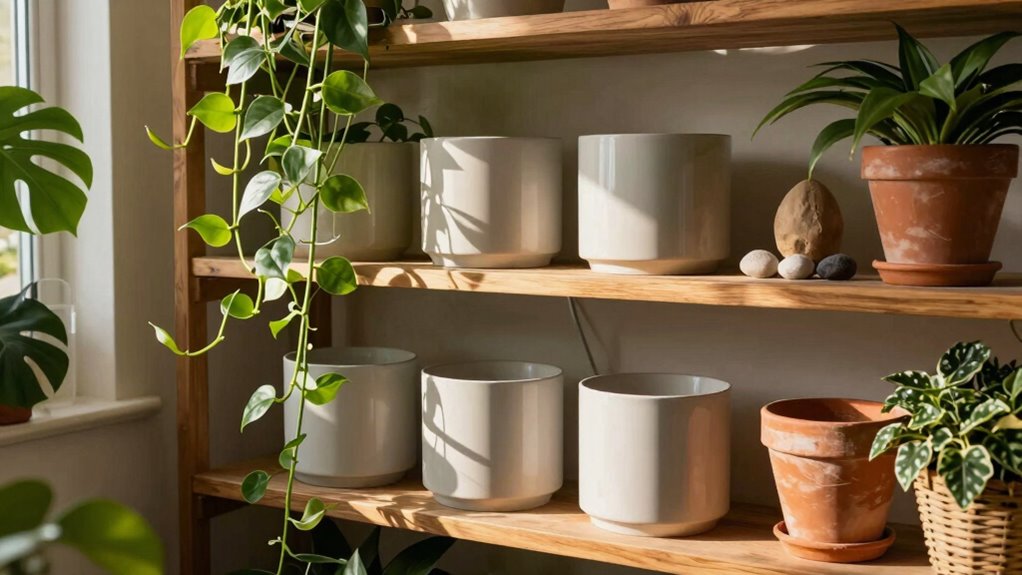
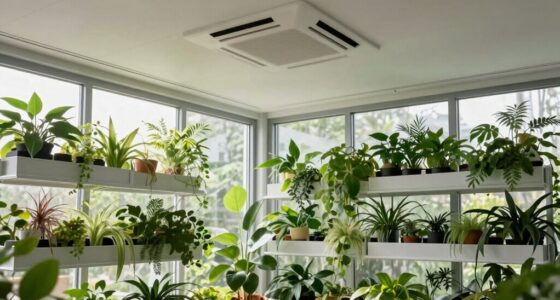
Setting up an indoor garden system can be a rewarding way to bring greenery into your home, but it requires some planning and attention to detail. To make your setup feel less like equipment and more like a natural part of your space, focus on integrating it seamlessly into your environment. One key aspect is how you handle plant lighting. Instead of harsh, clinical grow lights, opt for fixtures that mimic natural sunlight or use adjustable, stylish lamps that blend with your decor. Position these lights thoughtfully to create a cozy ambiance, not just to support plant growth. This creates a more natural lighting environment that enhances the overall aesthetic. This way, your garden becomes a living piece of art that enhances your space rather than detracting from it. Incorporating biodiversity principles can also help create a more vibrant and resilient indoor ecosystem.
Create a cozy, natural indoor garden by blending stylish lighting with your decor for a living piece of art.
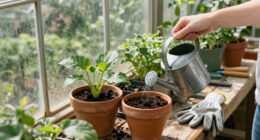
Soil health is equally important in making your indoor garden feel inviting and natural. Use high-quality, organic soil mixes that promote healthy root systems and prevent the sterile, artificial look of overly processed potting materials. Incorporate a variety of soil amendments, like compost or worm castings, to enrich the medium and encourage thriving plants. When your plants are healthy and vigorous, they naturally add to the aesthetic, making your garden appear more like a lush corner of nature rather than a collection of equipment. Keep in mind that soil should be replenished periodically, and avoid over-fertilizing, which can make your garden look overly structured or artificial. Paying attention to soil health can also boost plant vitality and your garden’s natural appeal.
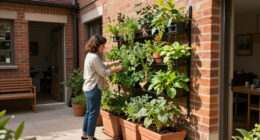
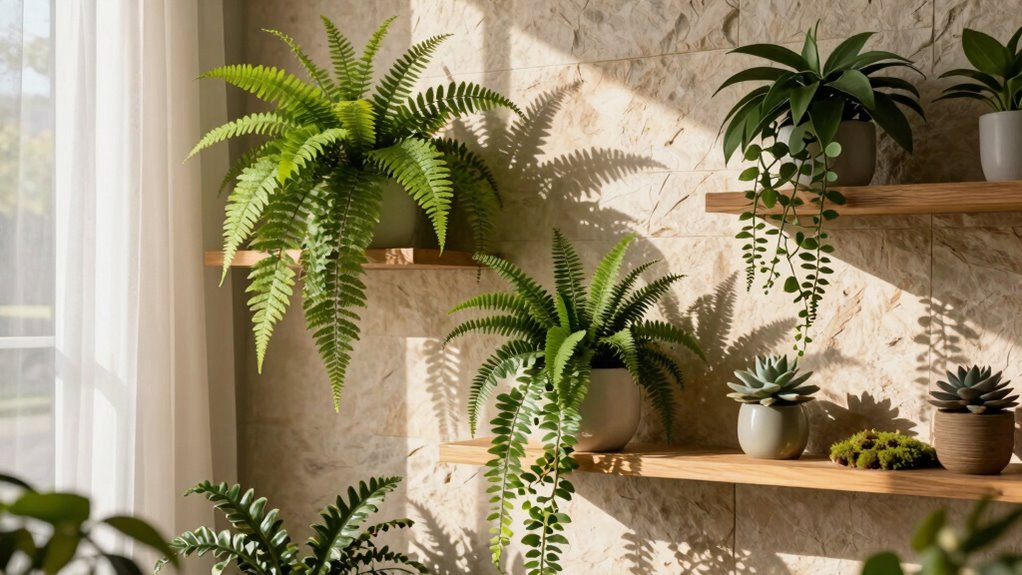
To further soften the appearance of your indoor garden system, choose containers and plant stands that complement your home’s decor. Natural materials like wood, ceramic, or woven baskets tend to blend more seamlessly with your interior design than plastic pots. Arrange your plants in a way that mimics how they grow in nature—grouping taller plants in the back and trailing varieties in front, for example. This arrangement creates a layered, organic look that feels less like a setup and more like a part of your everyday environment.
Lastly, incorporate personal touches that reflect your style. Add decorative stones, small figurines, or even artwork near your garden to make it feel more integrated into your living space. By paying attention to plant lighting, soil health, container choice, and arrangement, you’ll transform your indoor garden from a purely functional setup into a natural, inviting feature. This approach not only supports healthy plant growth but also makes your home feel more vibrant and alive, with your garden seamlessly blending into your personal sanctuary.
Products Worth Considering

Orbit B-hyve 12-Zone Indoor/Outdoor Wi-Fi Sprinkler Controller

IDEALHOUSE 6 x 9 ft Polycarbonate Greenhouse with Lockable Door, Adjustable Roof Vent, and Gutters

Orbit B-hyve XR 16-Zone Indoor/Outdoor Smart Sprinkler Controller
As an affiliate, we earn on qualifying purchases.
Frequently Asked Questions
How Can I Personalize My Indoor Garden’s Design?
You can personalize your indoor garden’s design by focusing on garden aesthetics that reflect your style, like choosing decorative pots or adding fairy lights. Select plants that resonate with you, such as herbs, succulents, or flowering varieties, to create a space that feels uniquely yours. Incorporate personal touches like artwork or meaningful ornaments, making your indoor garden inviting and a true extension of your personality.
What Are Eco-Friendly Materials for Indoor Garden Systems?
Think of your indoor garden as a living promise to the planet. You can choose eco-friendly materials like sustainable substrates, which nurture plants without harming the earth, and biodegradable containers that break down naturally. These materials help reduce waste and lessen your carbon footprint. By selecting eco-conscious options, you turn your indoor garden into a beautiful, sustainable sanctuary that not only thrives but also cares for the environment.
How Do I Integrate Lighting Seamlessly Into Decor?
You can integrate lighting seamlessly into your decor by choosing ambient lighting that complements your space’s style. Use decorative fixtures, like pendant lights or wall sconces, to add visual interest while providing necessary illumination. Conceal LED strips within shelves or behind plants for a subtle glow. This approach makes your indoor garden feel natural and integrated, instead of just equipment, creating a cozy, inviting atmosphere that enhances your overall decor.
Can I Incorporate Art or Decor Into the System?
Yes, you can easily incorporate art or decor into your indoor garden system. Use art integration by hanging small paintings or decorative wall pieces near your plants. Choose decorative containers that complement your interior style, blending functionality with aesthetics. You might also add sculptures or ornaments among your plants, creating a cohesive look that feels intentional and stylish, rather than like just equipment. This approach makes your indoor garden both beautiful and personalized.
How Do I Make the System Visually Less Technical?
You can make your indoor garden system feel less technical by embracing minimalist aesthetics and tech concealment. Use sleek, simple containers and incorporate natural elements like wood or stone to soften the look. Hide cords and equipment behind decorative panels or furniture. Adding artwork, plants, or decorative accessories around the system helps blend it into your space, making it feel more like a natural part of your home rather than equipment.
Conclusion
Creating an indoor garden that feels natural and inviting is easier than you think. Incorporate decorative elements and choose plants that blend seamlessly with your decor. Remember, about 70% of people find that adding greenery boosts their mood and productivity. So, make your indoor garden a relaxing oasis, not just equipment. With a few simple tricks, you’ll enjoy fresh herbs and lush greenery every day, making your space feel more like home and less like a workspace.