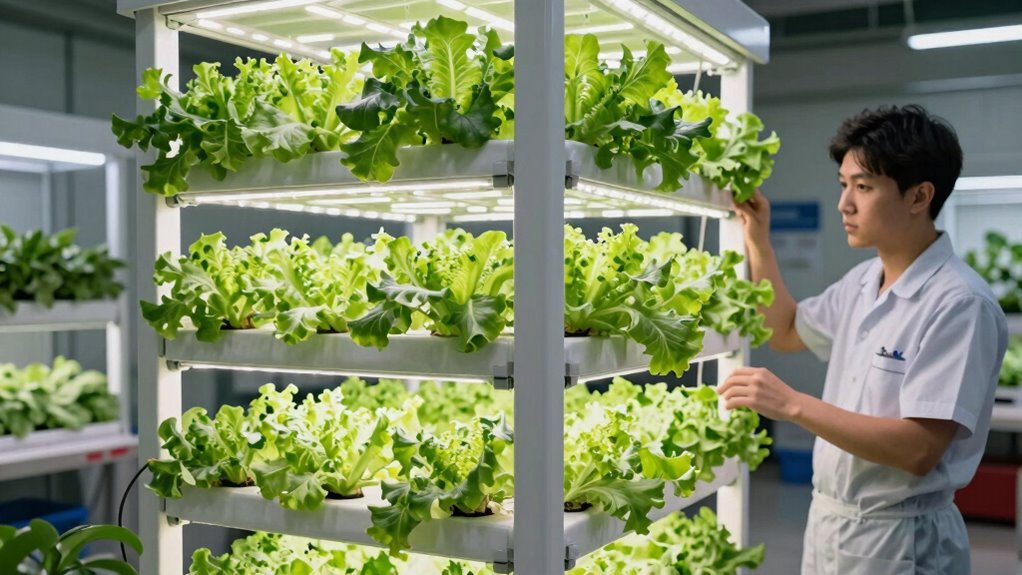

You can make your hydroponic towers grow faster if you avoid poor crop planning, like planting incompatible crops together or not scheduling properly. Focus on selecting plants with similar growth cycles, such as leafy greens for quick turnover, and rotate crops to prevent nutrient depletion and pests. Proper nutrient management and continuous harvesting keep your system productive. Stick around to discover more tips on optimizing your hydroponic success and maximizing your yields.
Key Takeaways
- Avoid neglecting crop rotation to prevent nutrient depletion and reduce pest and disease buildup.
- Properly schedule crop planting to align growth cycles for continuous, rapid harvests.
- Select fast-growing crops like leafy greens to maximize turnover and productivity.
- Manage nutrient solutions carefully to match each crop’s specific needs for healthy, quick growth.
- Monitor and adjust crop diversity to prevent overgrowth and ensure balanced growth rates.

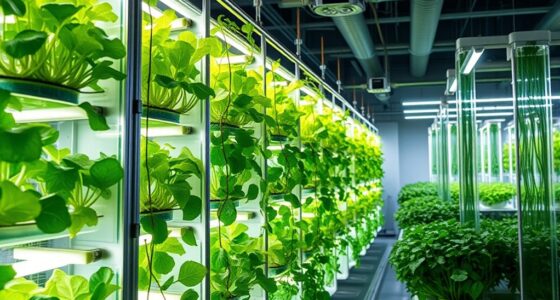
Have you ever wondered how to grow fresh vegetables quickly and efficiently? If you’re diving into urban farming with hydroponic towers, understanding the importance of proper crop planning is essential. These vertical systems are fantastic for maximizing space and producing high yields in small areas, but they require thoughtful management to truly succeed. One common mistake people make is neglecting to plan crop rotation and succession planting, which can lead to poor nutrient management and stunted growth.
Effective crop planning is essential for maximizing hydroponic tower yields and healthy plant growth.
When you skip crop planning, your hydroponic towers might end up with overgrown or underperforming plants, wasting time and resources. To avoid this, you need a clear strategy that considers the growth cycles of each crop. For example, leafy greens like lettuce or spinach grow quickly and can be harvested in a few weeks, making them ideal for rapid turnover. Root vegetables or fruiting plants, on the other hand, take longer to mature. By scheduling these crops appropriately, you ensure continuous harvests and maintain nutrient balance in your system.
Urban farming with hydroponic towers offers the advantage of controlled environments, but it also demands meticulous nutrient management. Different plants consume varying amounts of nutrients, and if you don’t plan for this, you risk deficiencies or excesses that can hinder growth. For instance, leafy greens require higher nitrogen levels, while fruiting plants need more potassium and phosphorus. By understanding these needs and adjusting your nutrient solutions accordingly, you keep your plants healthy and maximize growth speed.
Another critical aspect of crop planning is rotation. Growing the same crop repeatedly can deplete specific nutrients in your hydroponic system and increase the risk of pests and diseases. Rotating crops not only replenishes nutrient levels but also helps prevent these issues. If you plan your planting schedule carefully, you can swap out crops accordingly, ensuring your nutrient management remains balanced and your plants thrive. Incorporating crop diversity into your plan can also boost resilience and productivity.
In essence, the key to rapid growth in hydroponic towers lies in detailed crop planning. Avoid the pitfall of neglecting crop rotation and succession planting, and pay close attention to nutrient management tailored to each crop’s needs. When you do this, you’ll see faster growth rates, healthier plants, and a more productive urban farm. Proper planning transforms your hydroponic system from a simple setup into a powerful tool for sustainable, efficient food production. Paying attention to crop scheduling can make all the difference in your success, especially when considering the importance of nutrient management in maintaining plant health. Additionally, understanding the growth cycles of different crops can help optimize your planting schedule and ensure year-round productivity. Being aware of soil and water quality can also play a crucial role in maintaining optimal conditions for your plants.

Hydroponic Nutrients for Edible Plants, One Part Complete Liquid Plant Food for Hydroponic Systems, 8 oz (250mL)
- Supports Root and Plant Growth: Encourages strong roots and balanced growth
- Balanced Hydroponic Nutrition: Provides nutrients for water-based systems
- Suitable for Indoor & Controlled Growth: Ideal for hydroponics and container systems
As an affiliate, we earn on qualifying purchases.
As an affiliate, we earn on qualifying purchases.
Frequently Asked Questions
How Do I Choose the Best Crops for Hydroponic Towers?
To choose the best crops for hydroponic towers, focus on crop variety that thrives in vertical setups, like leafy greens and herbs. Avoid plants that require extensive root space or high humidity, which can complicate pest management. Opt for fast-growing, lightweight crops to maximize efficiency. Regularly monitor for pests, and select resilient varieties that reduce pest issues, ensuring a healthy, productive tower garden.
What Are Common Signs of Overgrowth in Hydroponic Towers?
Imagine your hydroponic tower’s leaves turning yellow and wilting—that’s a common sign of overgrowth. You might also notice plant nutrient deficiencies like stunted growth or pest infestation signs such as holes or sticky residue. These issues indicate overcrowding, which hampers airflow and nutrient uptake. To prevent overgrowth, regularly prune your plants and check for these signs, ensuring healthy, productive growth in your hydroponic system.
How Often Should I Rotate Crops in My Hydroponic System?
You should rotate crops in your hydroponic system every 4 to 6 weeks to prevent disease buildup and maintain soil health. Proper soil preparation is key before planting new crops, ensuring nutrients are replenished and pests are managed effectively. Crop rotation disrupts pest cycles, reducing the need for chemical controls. Regularly changing your crops keeps your system productive, healthy, and minimizes pest management issues over time.
Can Hydroponic Towers Grow Root Vegetables Effectively?
Yes, you can grow root vegetable varieties effectively in hydroponic towers. Growing underground, these vegetables like carrots, radishes, and beets thrive if you provide the right growing medium and depth. You should make sure the tower has enough space for roots to develop without constriction. Regularly monitor nutrient levels and moisture, and you’ll enjoy fresh, crunchy root vegetables straight from your hydroponic system.
What Are the Long-Term Maintenance Tips for Hydroponic Towers?
To maintain your hydroponic towers long-term, focus on consistent nutrient management to guarantee plants get what they need without overload. Regularly check and adjust pH levels, clean the system to prevent algae buildup, and replace nutrient solutions as needed. Prioritize pest prevention by inspecting plants regularly, keeping the area clean, and using natural deterrents. These steps help keep your system productive and healthy over time.

Sereniseed Certified Organic Leafy Greens Lettuce Seeds Collection (10-Pack) – 100% Non GMO, Open Pollinated – Grow Guide
- Certification: USDA Certified Organic by Oregon Tilth
- Varieties Included: 10 leafy salad greens seeds
- Seed Freshness: Packed for current and next year
As an affiliate, we earn on qualifying purchases.
As an affiliate, we earn on qualifying purchases.
Conclusion
So, as you set up your hydroponic towers, remember that avoiding crop planning mistakes can make all the difference. Sometimes, the best harvests come from simple lessons learned along the way—like not planting too many of one crop or overlooking space needs. It’s funny how, just when you think you’ve got it all figured out, a small oversight can remind you that growth is as much about patience as planning. Keep learning, and your towers will flourish.

Multi-Crop Vertical Hydroponic Shipping Container Farm, Automated Mobile Plant Factory with Rotating Tower Growing Kit, Precise IoT Climate Controller for Strawberry & Microgreen Production
- Customizable Design: Fully customizable to your needs
- Dual Cultivation System: Supports leafy greens and fruit vegetables
- Rotating Tower Accessory: Ensures uniform light exposure for plants
As an affiliate, we earn on qualifying purchases.
As an affiliate, we earn on qualifying purchases.

Net Pots Hydroponics Supplies
- Hydroponic Growth Efficiency: Supports seed germination and root expansion
- Includes 50 Sponges: Retains moisture effectively in kits
- Durable High-Quality Material: Reusabxle PP for long-lasting use
As an affiliate, we earn on qualifying purchases.
As an affiliate, we earn on qualifying purchases.