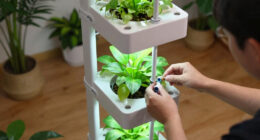
Before germinating your seeds, start by preparing your nutrient solution, ensuring it’s balanced and pH-adjusted to promote healthy growth. Set up your growing environment with clean equipment, properly filled reservoirs, and stable conditions. Monitor and fine-tune pH levels regularly to maximize nutrient availability. Properly planning and organizing your system early on creates a strong foundation, reducing stress on seedlings. Keep well-informed to maximize your success as you explore each step in the process.
Key Takeaways
- Prepare and test nutrient solution, ensuring proper nutrient ratios and pH levels before starting germination.
- Set up a clean, stable environment with appropriate grow trays, reservoirs, and lighting conditions.
- Ensure all equipment is sanitized to prevent disease and promote healthy seedling development.
- Adjust and monitor pH regularly to optimize nutrient availability from the beginning.
- Plan and organize a consistent maintenance routine for nutrient mixing, pH balancing, and system checks.
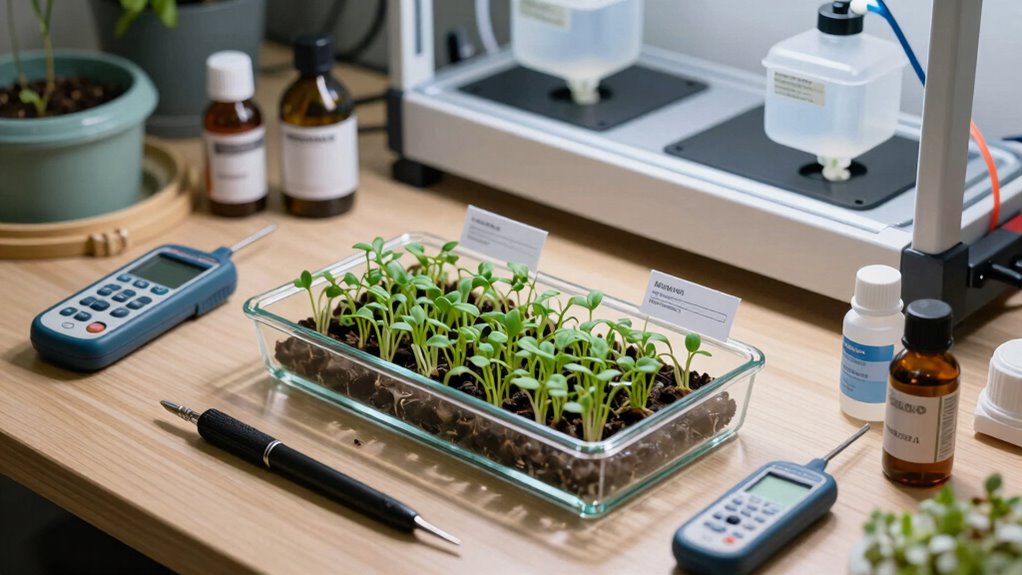
Setting up a hydroponic system involves a clear, step-by-step workflow that guarantees healthy plant growth. Before you even think about germinating your seeds, you need to establish a solid foundation. The first step is preparing your nutrient solution, which starts with nutrient mixing. You’ll want to measure and combine the essential nutrients—nitrogen, phosphorus, potassium, and trace minerals—according to the specific needs of your plants. Accurate nutrient mixing ensures your plants receive the right balance to promote vigorous growth and prevent deficiencies or toxicities. Once mixed, the next crucial task is pH balancing. Your nutrient solution should have an optimal pH, usually between 5.5 and 6.5, depending on the crop. Regularly check the pH using a reliable meter, and adjust it with pH up or down solutions. Proper pH balancing maximizes nutrient availability, helping your plants absorb what they need efficiently.
After your nutrient solution is properly mixed and balanced, you need to prepare your growing environment. This means setting up your grow trays, reservoirs, and pumps, making sure everything is clean and free of debris. Sterility at this stage minimizes the risk of disease. Once your system is ready, fill your reservoir with the prepared nutrient solution, ensuring the water level is appropriate for your setup. Double-check that your pH remains within the desired range and make adjustments if necessary. You want to maintain stable conditions from the start, as fluctuations can stress your plants. Monitoring the hydroponic system regularly helps maintain optimal conditions and prevents issues before they develop. Implementing consistent system maintenance routines can extend the lifespan of your equipment and improve overall plant health. Additionally, understanding the importance of system design can help optimize airflow and water circulation, promoting healthier root development.
When it comes to germination, it’s best to do so in a controlled environment, such as seed-starting trays with humidity domes. Keep the medium moist, but not overly soaked, and ensure your seedlings are kept in a warm, well-lit area. As your seedlings develop their initial roots, you’ll want to monitor the nutrient solution regularly. Consistent nutrient mixing and pH balancing are vital during this early stage because young plants are especially sensitive to nutrient imbalances. Proper nutrient management ensures healthy seedling development and reduces the risk of transplant shock. When your seedlings are strong enough and have established roots, you can transplant them into your hydroponic system.
Throughout this process, maintaining a diligent routine for nutrient mixing and pH balancing is key. It’s a continuous cycle—adjust your nutrients and pH as needed based on plant response. This proactive approach helps prevent problems before they start and sets your plants on a path to healthy, vigorous growth. Starting your hydroponic journey with a well-prepared, stable system means you’ll spend less time troubleshooting and more time enjoying thriving plants.

Humboldts Secret Starter Kit Pack | Indoor and Outdoor Plant Fertilizer and Hydroponic Nutrients | Base A & B, CalMag and Iron, Golden Tree, Flower Stacker, Plant Enzymes | Complete Garden System
Packaging Update: You may receive previous or updated packaging during our transition. Same formula, same performance. Complete Nutrition…
As an affiliate, we earn on qualifying purchases.
As an affiliate, we earn on qualifying purchases.
Frequently Asked Questions
What Are the Initial Costs of Setting up a Hydroponic System?
Your initial costs for setting up a hydroponic system vary based on the size and type, but generally, you should expect a cost comparison of equipment essentials like grow lights, reservoirs, pumps, and growing mediums. You might spend a few hundred dollars for a small setup or more for larger, automated systems. Planning ahead helps you allocate funds wisely and guarantees you have everything needed to start your hydroponic journey smoothly.
How Do I Choose the Right Hydroponic System for Beginners?
Choose a beginner-friendly hydroponic system that simplifies plant training and pest management. Look for setups like NFT or deep water culture that are easy to maintain and monitor. Prioritize systems with clear access for inspection, minimal components to reduce pest risks, and adjustable features to support plant growth. By focusing on these aspects, you’ll create a manageable environment that encourages healthy plants while making pest control and training straightforward.
What Lighting Conditions Are Best for Hydroponic Plants?
You should provide your hydroponic plants with full-spectrum light that mimics natural sunlight, supporting healthy growth. Verify the light spectrum includes blue and red wavelengths, essential for vegetative and flowering stages. Manage the photoperiod carefully—typically 16-18 hours of light during vegetative growth and 12 hours during flowering. Consistent lighting schedules and appropriate intensity help your plants thrive and maximize yields.
How Often Should I Check Nutrient Levels?
Checking nutrient levels is like tuning a musical instrument—regular adjustments keep everything in harmony. You should test your nutrient solution every 2-3 days, ensuring the nutrient balance stays ideal. Keep a close eye on pH levels through daily pH monitoring, as fluctuations can affect nutrient uptake. Consistent checks help prevent deficiencies or toxicities, creating a healthy environment for your plants to thrive and grow vigorously.
What Common Mistakes Should I Avoid During Setup?
You should avoid crowding plants too closely, as poor plant spacing can lead to mold, pests, and poor growth. Guarantee proper airflow to prevent pest problems, and keep your setup clean to minimize pest attraction. Regularly inspect plants for early signs of pests or disease. Proper plant spacing and pest prevention are key to a smooth hydroponic setup and healthy, thriving plants.

VIVOSUN Digital pH and TDS Meter Kits, 0.01pH High Accuracy Pen Type pH Meter ± 2% Readout Accuracy 3-in-1 TDS EC Temperature Meter for Hydroponics, Pool and Aquarium, Yellow Blue, UL Certified
Application: Great for all home and laboratory TDS & pH testing applications including aquariums, swimming pools
As an affiliate, we earn on qualifying purchases.
As an affiliate, we earn on qualifying purchases.
Conclusion
Remember, your hydroponic journey begins long before the first sprout pushes through the grow medium. Think of your workflow as the steady rhythm of a well-conducted symphony—every step, from planning to setup, sets the tone for a thriving garden. When you lay a strong foundation, your plants will dance in harmony, reaching for the light with vibrant energy. Start smart, prepare thoroughly, and watch your hydroponic garden flourish like a lush, unstoppable forest.
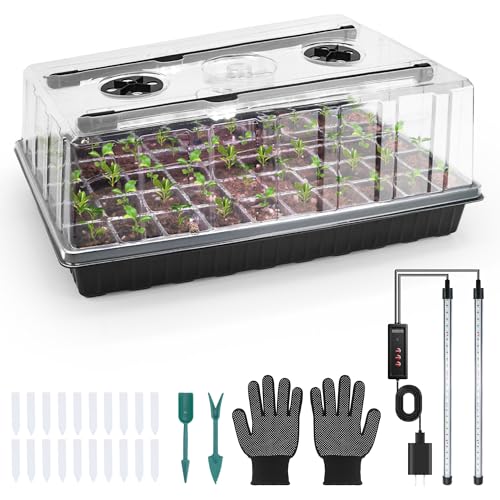
Mulctun 60-Cell Seed Starter Tray with Grow Light, Seedling Starter Trays with 4.08" Humidity Dome, Self-Watering Plant Germination Trays,Seed Starter Kit for Seeds Growing (Black)
【Advanced Pro Grow Lights】Simulate full sunlight with 56 high-efficiency LEDs per seed starter. Customize light for every growth…
As an affiliate, we earn on qualifying purchases.
As an affiliate, we earn on qualifying purchases.

Aunifun Hydroponics Grower Kit DIY Self Watering Indoor Hydroponics Tools Hydroponic System Planting Container Include Aquarium Air Pump Buoy Planting Box
Color and Material: the hydroponics planting container is gray.It is made of high quality evironmentally PVC-U,exquisite and durable….
As an affiliate, we earn on qualifying purchases.
As an affiliate, we earn on qualifying purchases.