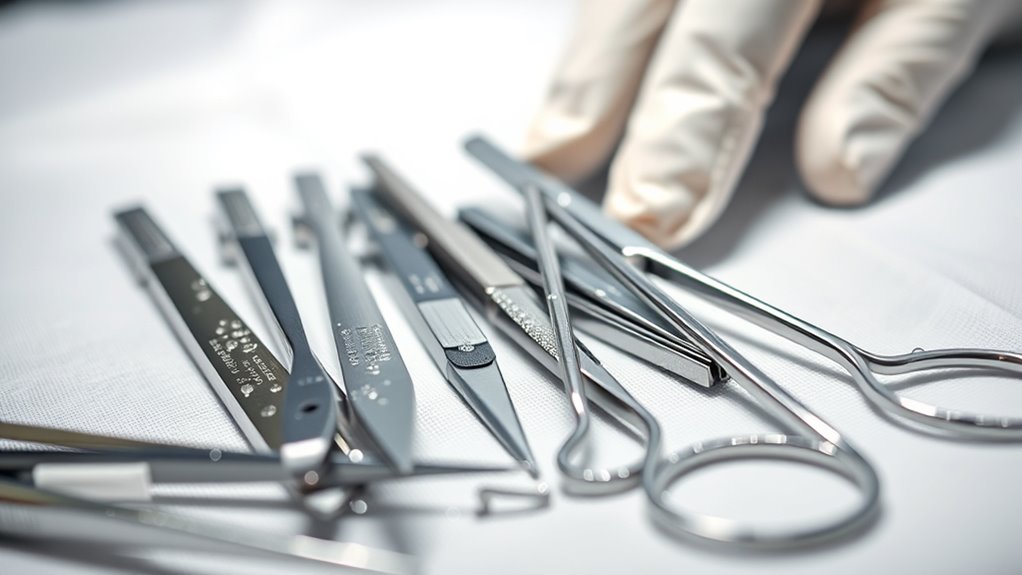

Using sterile tools and equipment is essential to prevent infections and protect everyone’s safety during medical procedures or lab work. Proper sterilization ensures that harmful bacteria, viruses, and spores are eliminated, maintaining the accuracy of research and patient health. Following strict cleaning and sterilization protocols also helps avoid cross-contamination. If you want to understand the most effective methods and best practices to guarantee safety and success, there’s more to explore ahead.

Get garden gear delivered free — and shop member deals
- Fast, free delivery on millions of items
- Access to Prime Big Deal Days deals on October 6–7
- Prime Video, Amazon Music and more included
Key Takeaways
- Prevents infections and cross-contamination in medical and laboratory settings.
- Ensures patient and personnel safety by eliminating harmful microbes.
- Maintains the integrity and reliability of research results.
- Supports effective sterilization through proper cleaning protocols.
- Complies with safety standards, safeguarding health and operational quality.
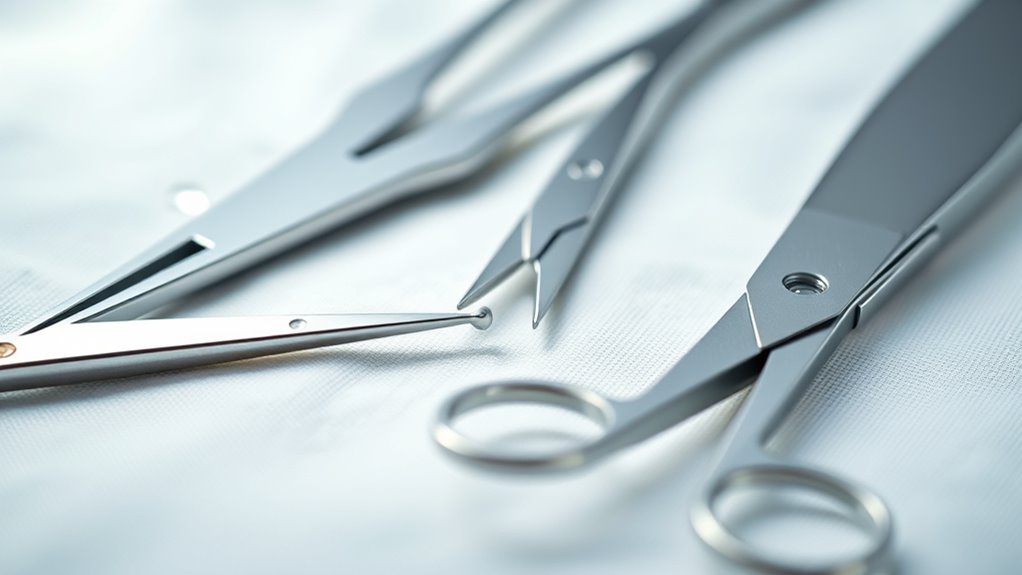
Sterile tools and equipment are essential for preventing infections and ensuring safety in medical and laboratory settings. When you work with these tools, following strict cleaning protocols is crucial. Proper cleaning removes debris, blood, and other contaminants that could harbor bacteria or viruses. But cleaning alone isn’t enough; equipment sterilization is the critical next step. Sterilization kills all microorganisms, including spores that might survive cleaning, ensuring the tools are completely free of infectious agents. Skipping or rushing this process increases the risk of cross-contamination, which can lead to serious infections in patients or compromised research results.
Proper cleaning and sterilization of tools prevent infections and ensure safety in healthcare and labs.
You need to understand that a well-defined cleaning protocol forms the foundation of effective sterilization. It involves carefully rinsing, scrubbing, and disinfecting tools using appropriate agents. This step is vital because organic material or residues can shield microbes from sterilization processes, rendering them ineffective. Once cleaned thoroughly, equipment must undergo sterilization using methods suitable for the specific tools—be it autoclaving, chemical sterilants, or gas sterilization. Autoclaving, which uses high-pressure saturated steam, is the most common and reliable method for heat-tolerant instruments. Chemical sterilants are used for heat-sensitive items, but they require strict adherence to contact times and concentrations. Proper sterilization techniques depend on understanding the equipment’s material and manufacturer guidelines.
Regular validation and monitoring of sterilization procedures are fundamental. You should routinely test sterilizers with biological indicators to confirm that sterilization cycles are effective. This involves placing test strips or spores inside the sterilizer to verify that all microorganisms are killed. Additionally, keeping records of sterilization cycles helps track consistency and quickly identify any issues. Equipment sterilization isn’t a one-time task but an ongoing process that demands diligence and attention to detail. It is also important to stay updated on sterilization standards to ensure compliance with current safety protocols. You should routinely test sterilizers with biological indicators to confirm that sterilization cycles are effective. This involves placing test strips or spores inside the sterilizer to verify that all microorganisms are killed. Additionally, keeping records of sterilization cycles helps track consistency and quickly identify any issues. Equipment sterilization isn’t a one-time task but an ongoing process that demands diligence and attention to detail. Neglecting these steps can compromise the entire safety protocol, risking infection transmission or invalidating research data.
In essence, maintaining sterile tools and equipment hinges on rigorous cleaning protocols and robust sterilization practices. By prioritizing these steps, you make sure that every instrument used in patient care or laboratory work is safe and effective. This commitment not only protects individuals but also upholds the integrity of the work environment. In environments where safety and precision are paramount, such as hospitals or research labs, adhering strictly to sterilization standards is non-negotiable. You have to recognize that the integrity of your entire operation depends on your discipline in executing proper cleaning and sterilization procedures.
autoclave sterilizer for medical tools
As an affiliate, we earn on qualifying purchases.
As an affiliate, we earn on qualifying purchases.
Frequently Asked Questions
How Often Should Sterile Tools Be Re-Sterilized?
You should re-sterilize tools after each use, following strict sterilization frequency guidelines. Always adhere to your facility’s reuse protocols, which typically require sterilizing reusable tools before they’re used again. Proper sterilization guarantees tools stay free from contaminants, protecting patient safety. If tools become damaged or contaminated, re-sterilize immediately or replace them. Regularly check sterilization equipment to confirm it’s functioning correctly, maintaining a safe and sterile environment.
What Are the Risks of Using Non-Sterile Equipment?
Using non-sterile equipment puts you at risk of surface contamination and cross-contamination, which can lead to infections. When tools aren’t sterile, bacteria and other pathogens can transfer to patients or surfaces, increasing the chance of complications. You might also face longer recovery times and potential health hazards. Always make certain tools are properly sterilized to protect yourself, your patients, and maintain a safe environment.
How Can Contamination Occur During Sterilization?
A chain is only as strong as its weakest link, and contamination can occur during sterilization if you neglect proper procedures. Cross contamination risks rise when equipment isn’t thoroughly cleaned before sterilization, or if sterilization process failures happen due to incorrect temperature, pressure, or time. You must guarantee strict adherence to protocols, regularly inspect sterilizers, and handle tools properly to prevent contamination and maintain a sterile environment.
Are Disposable Sterile Tools Environmentally Friendly?
Disposable sterile tools can have a significant environmental impact due to their single-use nature. While they reduce infection risks, recycling challenges often prevent proper disposal, leading to increased waste in landfills. You should weigh the benefits of infection control against environmental concerns, exploring eco-friendly options or proper disposal methods. Ultimately, balancing patient safety with environmental responsibility is essential when considering the use of disposable sterile tools.
What Training Is Required for Proper Sterilization Procedures?
Think of sterilization as a dance that requires perfect timing. You need proper training in sterilization protocols to stay in step. Staff certification ensures you’re equipped to follow these vital procedures precisely, preventing contamination. You’ll learn techniques like autoclaving and chemical sterilization, mastering safety standards that protect patients. With dedicated training, you become the conductor, orchestrating spotless, sterile tools every time, guaranteeing health and safety are never compromised.
chemical sterilant for laboratory equipment
As an affiliate, we earn on qualifying purchases.
As an affiliate, we earn on qualifying purchases.
Conclusion
By using sterile tools and equipment, you create a safe haven where tiny invaders find no foothold. It’s like tending a delicate garden, ensuring every blossom remains vibrant and healthy. When you prioritize cleanliness, you’re gently shielding your patients from unseen threats, allowing healing to flourish quietly and peacefully. Remember, your careful touch helps nurture trust and comfort, turning what could be chaos into a calm, secure environment where health blossoms effortlessly.
biological indicator sterilization test strips
As an affiliate, we earn on qualifying purchases.
As an affiliate, we earn on qualifying purchases.
sterile surgical instrument kits
As an affiliate, we earn on qualifying purchases.
As an affiliate, we earn on qualifying purchases.
Fall Picks
fall essentials
As an affiliate, we earn on qualifying purchases.