
After harvest, you can turn your spent root matter into compost by chopping it into small pieces and mixing it with other organic materials, which will decompose and enrich your soil. You might also use dried roots as mulch or plant markers to help retain moisture and control pests naturally. Incorporating beneficial microorganisms during composting can boost its effectiveness and support healthy plant growth. To discover more innovative ways to utilize root remnants, keep exploring this helpful guide.

Get garden gear delivered free with Prime
- Fast, free delivery on millions of items
- Prime Video, Amazon Music and more included
- Member-only deals all year
Key Takeaways
- Compost spent root matter to enrich soil and promote microbial activity.
- Chop and incorporate roots into garden beds to improve soil structure and fertility.
- Use dried roots as decorative mulch or plant markers in the garden.
- Bury roots around plants to act as natural pest deterrents and disrupt pest cycles.
- Enhance compost with beneficial microorganisms to boost pest resistance and soil health.

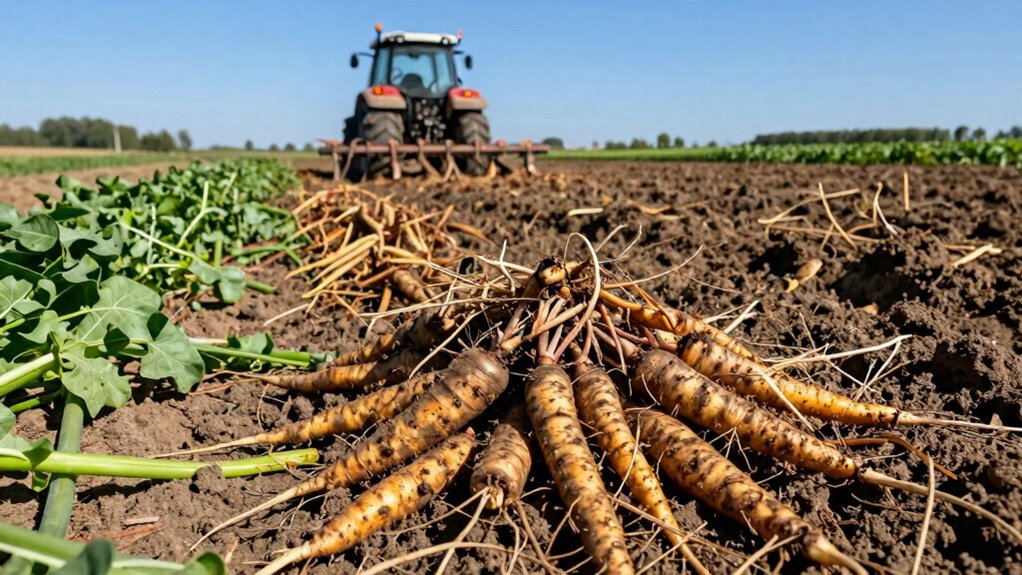
After harvesting root crops, the leftover root matter often gets overlooked, but it offers valuable opportunities for reuse and recycling. Instead of tossing it aside, you can turn this waste into a resource that benefits your garden in multiple ways. One of the most straightforward uses is composting the spent root matter. When you add it to your compost pile, it decomposes over time, enriching the soil with organic matter. This process not only improves soil structure but also enhances its ability to retain moisture and nutrients, making your garden beds more fertile and productive.
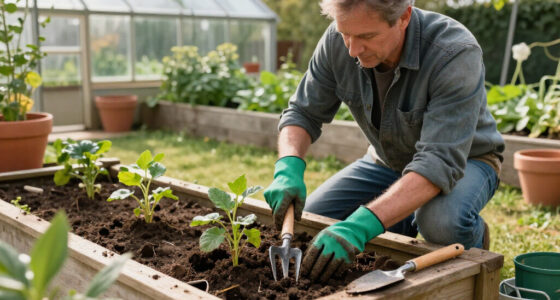
Using spent root matter directly in your soil can also be a smart strategy for soil enrichment. You can chop it into smaller pieces and incorporate it into the soil around your plants. As it breaks down, it releases essential nutrients that feed your crops and promote healthy growth. This natural method of soil enrichment reduces the need for chemical fertilizers, supporting a more sustainable gardening approach. Plus, because root matter is rich in organic material, it helps build a healthy soil ecosystem that encourages beneficial microorganisms, which are crucial for nutrient cycling.
Chop root matter into small pieces to enrich soil naturally and support healthy, sustainable plant growth.
Beyond soil improvement, spent root matter can serve an important role in pest control. Certain types of root debris contain compounds that deter pests or inhibit their development. For example, some gardeners use leftover root material from resistant crops to create barriers or mulches that discourage pests from attacking other plants. When placed around vulnerable crops, this residual matter can act as a natural pest repellent, reducing the need for chemical interventions. Additionally, burying root waste deep in the soil can disrupt pest life cycles, preventing them from establishing themselves and causing damage. Incorporating compounds in root matter can further enhance its pest-repellent properties.
Incorporating beneficial microorganisms into the root matter during composting or soil application can also boost its effectiveness in promoting plant health and reducing pest issues. If you prefer, you can also explore more creative reuse methods. For example, some gardeners use dried root remnants as natural plant markers or decorative mulch. When properly prepared, these materials blend into your garden while serving practical purposes. Furthermore, if you grow medicinal or aromatic plants, incorporating spent root matter into your planting beds may even introduce beneficial compounds that can support plant health.
garden compost bin for organic waste
As an affiliate, we earn on qualifying purchases.
As an affiliate, we earn on qualifying purchases.
Frequently Asked Questions
Can Spent Root Matter Attract Pests or Diseases?
Spent root matter can attract pests and harbor diseases if left untreated. This poses pest attraction risks and can lead to root disease prevention issues, especially if the material is decomposing and in contact with healthy plants. To reduce these risks, you should compost the roots properly or dispose of them away from your garden. Ensuring proper cleanup prevents pest infestations and minimizes the chance of disease spread.
How Long Does Spent Root Matter Take to Decompose?
Spent root matter typically takes about six months to a year to fully decompose, depending on factors like moisture, temperature, and soil conditions. The decomposition rate can be faster if you chop or shred the roots beforehand. During root decay, beneficial microbes break down organic material, enriching your soil. Keep an eye out for pests or disease, especially if the root matter sits too long without proper management.
Is Spent Root Matter Suitable for Composting With Other Waste?
Spent root matter is absolutely perfect for composting with other waste, turning your garden into a powerhouse of nutrient recycling. It acts as a crucial soil amendment, enriching your soil with organic matter and essential nutrients. By combining it with kitchen scraps and green waste, you create a balanced compost that accelerates decomposition and boosts plant health. Don’t underestimate its power—your garden will thrive on this natural, sustainable recycling process.
Are There Specific Nutrients in Spent Root Matter Beneficial for Plants?
Yes, spent root matter contains valuable nutrients like potassium, phosphorus, and trace minerals that benefit plants. By practicing nutrient recycling, you can enhance soil enrichment and promote healthier growth. Incorporating spent roots into your compost helps return essential nutrients to the soil, reducing waste and improving fertility. This sustainable approach guarantees your garden thrives naturally, utilizing the natural benefits of spent root matter for ongoing plant health and productivity.
Can Spent Root Matter Be Used as Animal Feed?
Think of spent root matter like a seasoned chef’s leftover ingredients—potential for reuse is high. You can use it as animal feed, but only after proper composting and ensuring no harmful residues remain. Root matter recycling supports organic soil improvement, enriching the soil naturally. Feeding animals directly, however, might risk introducing pathogens or toxins, so it’s safer to process it first. Proper handling turns waste into a valuable resource.
beneficial microorganisms for composting
As an affiliate, we earn on qualifying purchases.
As an affiliate, we earn on qualifying purchases.
Conclusion
After harvest, you can compost, reuse, or repurpose your spent root matter. Compost it to enrich your soil, reuse it as mulch to retain moisture, or repurpose it in creative garden projects. Whatever you choose, turning spent root matter into something beneficial keeps your gardening sustainable, nourishes your plants, and reduces waste. Embrace these options, enjoy the benefits, and make your gardening efforts more eco-friendly. Keep recycling, keep thriving, and keep growing!
garden mulch made from dried roots
As an affiliate, we earn on qualifying purchases.
As an affiliate, we earn on qualifying purchases.
natural pest deterrent plant markers
As an affiliate, we earn on qualifying purchases.
As an affiliate, we earn on qualifying purchases.
Halloween Picks
halloween
As an affiliate, we earn on qualifying purchases.