
TL;DR
Open a free Amazon Business account
Business pricing, bulk buying and tax-exempt orders.
As an affiliate, we earn on qualifying purchases.
A gardener tested a popular aluminum foil trick to deter pests in her garden. The foil was ineffective, blowing away easily and failing to protect plants from insects. The result highlights limitations of this DIY pest control method.
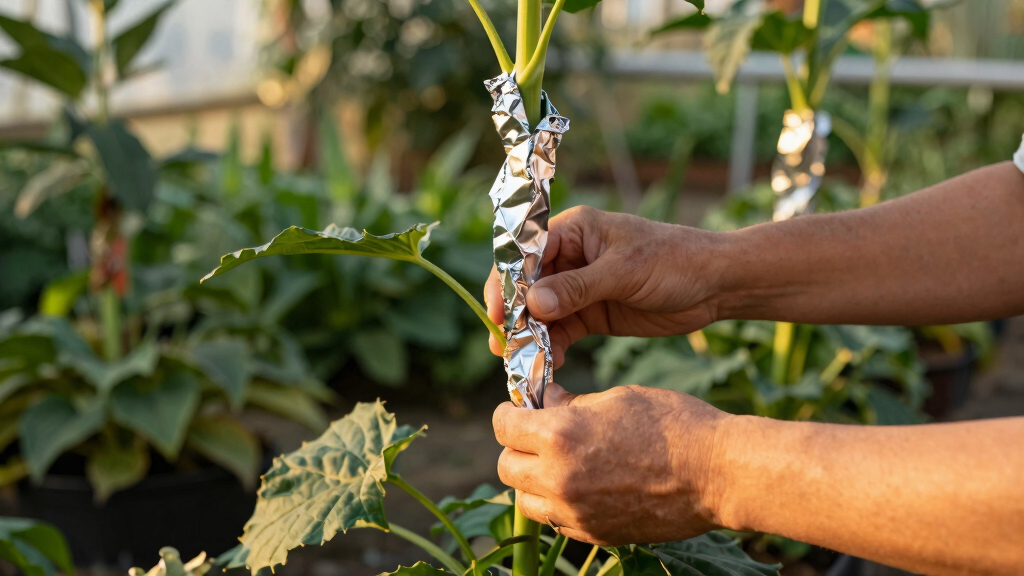
A gardener tested a widely circulated hack claiming that aluminum foil can keep pests away from plants. The attempt failed as the foil was blown away by the wind and did not prevent insects from damaging her garden.
The gardener, inspired by advice from a gardening website, placed shredded aluminum foil around two plants to deter pests, believing the reflective surface would confuse insects. She found that the foil was too lightweight to stay in place, despite efforts to crumple and secure it. Over the next two days, the foil was repeatedly blown away by the wind and found strewn across her lawn, with no noticeable reduction in pest activity. The plants continued to be attacked by bugs, indicating the hack’s ineffectiveness in her environment.
She noted that crumpling the foil reduced its reflective properties, which might be essential for the hack to work. She also considered burying larger chunks of foil to keep it in place but decided against it, as it would defeat the purpose of a simple, inexpensive DIY solution. The experience underscores the limitations of lightweight materials like aluminum foil for pest control in outdoor settings.
Limitations of Aluminum Foil for Pest Deterrence
This experience highlights that lightweight, reflective materials like aluminum foil may not be reliable for pest control in outdoor gardens. The foil’s inability to stay in place reduces its potential as an effective barrier, and wind can easily disperse it, making it an impractical solution for many gardeners. While the hack is inexpensive and simple, its effectiveness appears limited, especially in windy environments. Gardeners seeking pest control solutions should consider more secure methods or physical barriers that can withstand outdoor conditions.
garden pest control mesh barriers
As an affiliate, we earn on qualifying purchases.
As an affiliate, we earn on qualifying purchases.
Previous Gardening Hacks and Their Effectiveness
Aluminum foil has been suggested as a pest deterrent based on its reflective properties, which can confuse or repel insects. This idea has circulated online and among gardening communities, often promoted as an inexpensive, chemical-free method. However, anecdotal reports and limited tests suggest that lightweight foil can be easily displaced by wind, reducing its practical usefulness. More robust physical barriers like mesh or plant collars are generally more reliable but may involve more effort or expense.
“The effectiveness of aluminum foil as a pest deterrent is limited by its lightweight nature and susceptibility to wind displacement.”
— an anonymous researcher
reflective garden pest deterrent
As an affiliate, we earn on qualifying purchases.
As an affiliate, we earn on qualifying purchases.
Unclear if Different Conditions or Materials Could Improve Results
It remains uncertain whether heavier or more securely anchored aluminum foil could be effective or if alternative reflective materials might work better. The gardener’s experience suggests that environmental factors like wind play a significant role, but further testing is needed to determine if modifications could improve the hack’s success.
As an affiliate, we earn on qualifying purchases.
Next Steps for Gardeners Considering Pest Control Hacks
Gardeners interested in DIY pest control should explore more secure physical barriers or natural repellents. Further research or experiments could test heavier or anchored foil, but current evidence suggests relying on proven methods like plant collars, netting, or bait traps. Monitoring pest activity and adjusting strategies remain essential for effective garden management.
As an affiliate, we earn on qualifying purchases.
Key Questions
Does aluminum foil effectively repel garden pests?
Based on recent testing, lightweight aluminum foil is ineffective at repelling pests because it blows away easily and does not prevent insect damage.
Can heavier or anchored foil work better for pest control?
It is uncertain; heavier or more securely anchored foil might stay in place longer, but further testing is needed to confirm its effectiveness.
What are better alternatives to DIY foil hacks for pest control?
Proven methods include physical barriers like mesh or plant collars, natural repellents, and bait traps, which tend to be more reliable in outdoor conditions.
Is wind a major factor in the failure of foil-based pest deterrents?
Yes, wind can easily displace lightweight materials like aluminum foil, reducing their effectiveness as pest barriers.
Should I try this hack in my garden?
Given current evidence, it is unlikely to be effective. More secure methods are recommended for pest management.
Source: Apartment Therapy
NFL season / tailgating Picks
team gear
As an affiliate, we earn on qualifying purchases.