
TL;DR
As temperatures drop in September, gardeners are advised to bring seven specific houseplants indoors to prevent damage from cold nights and pests. This seasonal move helps protect plant health before harsher weather sets in.
Gardening experts recommend that homeowners move seven specific houseplants indoors this September to shield them from the upcoming cooler nights and pest issues. This seasonal transition is crucial for maintaining plant health through the fall and winter months.
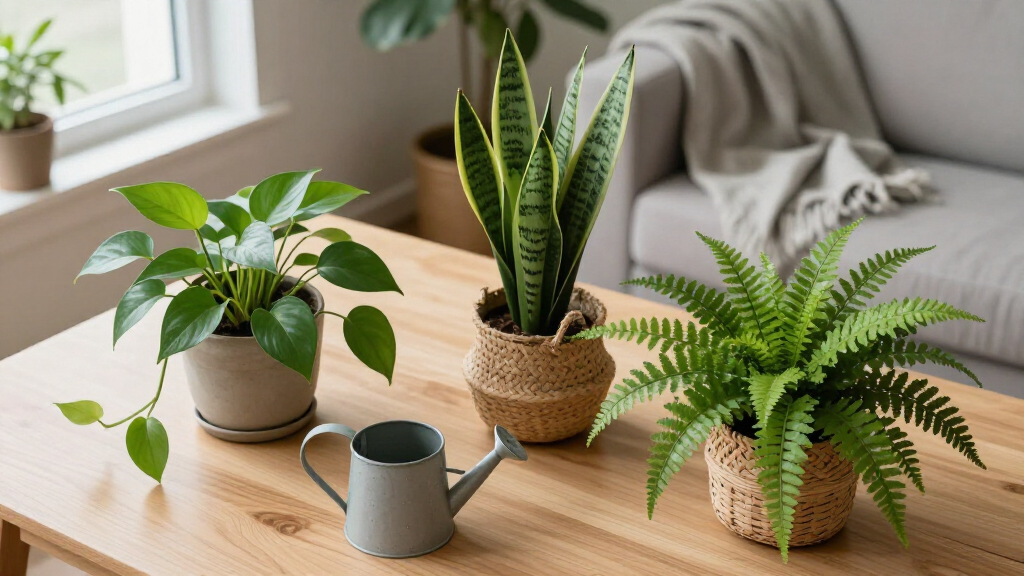
According to horticultural sources, the shift from late summer to early fall signals the need to bring certain houseplants inside to prevent damage caused by dropping temperatures. The list includes plants like the fiddle leaf fig, snake plant, pothos, monstera, peace lily, aloe vera, and spider plant. These plants are particularly vulnerable to cold stress and pest infestations when left outdoors as nights become cooler.
Experts emphasize that the timing is critical; moving these plants indoors before nighttime temperatures consistently fall below 55°F (13°C) can prevent leaf drop, root rot, and pest invasions such as spider mites and scale insects. The transition also helps plants adapt gradually to indoor conditions, reducing shock and promoting continued growth during the colder months.
While some homeowners might overlook the importance of early indoor transition, horticulturists warn that neglecting this step could lead to increased pest problems and plant decline, which are harder to manage once pests establish themselves or damage occurs.
Why Moving These Plants Indoors Matters for Gardeners
Moving these seven houseplants indoors before the first significant cold snap is vital for maintaining their health and aesthetic appeal. Protecting plants from cold stress reduces the risk of leaf damage, root rot, and pest infestations, which can compromise their vitality during winter. Additionally, this seasonal move helps prevent pests from overwintering outdoors and spreading inside, saving gardeners time and effort in pest control later.
This advice is especially relevant for urban dwellers and those with limited outdoor space, as it ensures their indoor plants remain healthy and vibrant through the colder months. The transition also offers an opportunity to assess plant health, prune damaged leaves, and adjust watering and lighting conditions for indoor growth.
Overall, timely indoor relocation supports sustainable gardening practices, reduces the need for chemical pest control, and prolongs the lifespan of prized houseplants, making it a key seasonal task for plant enthusiasts.
As an affiliate, we earn on qualifying purchases.
Seasonal Trends and Past Recommendations for Houseplant Care
Interest in houseplant care peaks during the transition from summer to fall, as gardeners seek to protect their investments from the changing climate. Historically, experts have advised moving sensitive plants indoors before the first frost, which in many regions occurs in late September or early October. The current trend signals an increased focus on preventing pest issues that often emerge in late summer, such as spider mites and scale insects, which can overwinter indoors if plants are left outside.
While specific plant recommendations vary, the emphasis on early preparation aligns with longstanding horticultural advice aimed at preventing damage and pest problems. Recent coverage indicates that search interest around this topic is spiking, likely driven by rising awareness of pest management and climate variability, although the exact trigger remains unconfirmed.
Plant care experts continue to stress the importance of timely action, especially as climate patterns become less predictable, making this seasonal move more critical than ever.
As an affiliate, we earn on qualifying purchases.
Unconfirmed Factors and Ongoing Questions About Plant Transition
While experts agree on the importance of moving plants indoors, the specific timing may vary based on regional climate and local weather patterns. It is not yet clear whether all seven plants listed are equally vulnerable or if some can tolerate slightly cooler outdoor conditions for longer. Additionally, the impact of indoor conditions—such as humidity and light—on these plants during the transition remains an area for further observation. The current trend signals increased awareness, but detailed guidelines for each plant’s optimal indoor environment are still under development.
As an affiliate, we earn on qualifying purchases.
Next Steps for Home Gardeners Preparing for Fall
Homeowners should assess local weather forecasts and plan to bring their targeted houseplants inside during the first week of September or when nighttime temperatures are forecasted to fall below 55°F. This involves inspecting plants for pests, pruning damaged leaves, and adjusting indoor lighting and watering routines. Gardeners are encouraged to monitor indoor conditions and pests closely as the plants acclimate indoors.
Experts suggest that this transition should be completed before the first frost date in their region, which varies but generally occurs in late September or early October. Continued vigilance for pests and proper care will be essential through the fall and winter months. As the season progresses, updates on pest management strategies and indoor plant care tips are expected to be shared by horticultural organizations.
As an affiliate, we earn on qualifying purchases.
Key Questions
Which houseplants should I bring inside in September?
The seven recommended houseplants are the fiddle leaf fig, snake plant, pothos, monstera, peace lily, aloe vera, and spider plant. These are particularly vulnerable to cold and pests as fall approaches.
Why is September the best time to move houseplants indoors?
September is ideal because it precedes the first significant cold nights, typically below 55°F, which can cause damage to sensitive plants. Moving them early helps prevent stress, leaf drop, and pest infestations.
What should I do to prepare my plants before bringing them inside?
Inspect for pests, prune damaged or dead leaves, water appropriately, and gradually acclimate plants to indoor conditions by placing them in shaded areas initially. Adjust watering and lighting once indoors.
Are all houseplants equally vulnerable to cold weather?
No, some plants are more tolerant of cooler temperatures. However, the listed seven are generally considered sensitive enough to warrant early indoor transition to prevent damage.
What if I can’t bring my plants inside before the first frost?
If unavoidable, consider outdoor protective coverings, such as frost cloths, or temporarily relocate plants to a sheltered area. However, early indoor transition remains the most effective method to ensure plant health.
Source: rss