
TL;DR
Gardening Know How’s October guide recommends six steps for Pelargoniums: deadhead and tidy plants, stop routine fertilizing, adjust watering, take cuttings, shelter plants outdoors and bring tender pots inside before cold nights. Timing depends on local temperatures and plant type; hardy cranesbills generally need less fall care and can remain outdoors in suitable climates.
Gardening Know How’s October geranium guide recommends six steps to prolong blooms and prepare tender plants for winter: deadhead faded flowers, reduce feeding and watering, take cuttings, provide temporary outdoor shelter and move pots indoors before cold nights. The advice focuses on Pelargoniums, which are often called geraniums but are less cold-hardy than true garden geraniums.
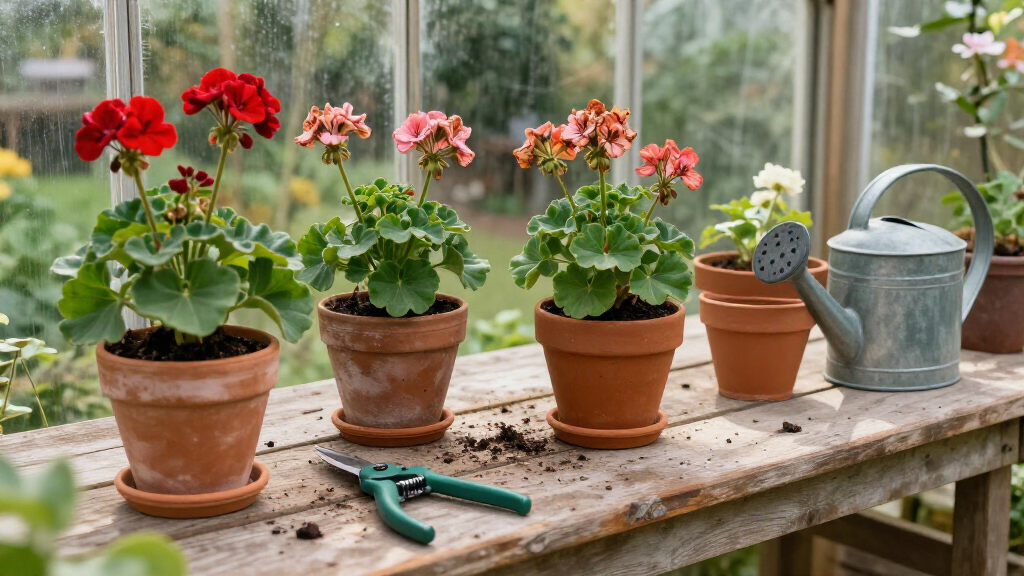
For plants still flowering, the report advises removing each faded flower stalk where it meets the main stem and trimming away yellow, damaged or diseased leaves. Use clean, sharp pruners, and dispose of foliage showing possible fungus or mold rather than keeping it on plants that will be brought inside. Blooming will eventually slow as temperatures fall; the guide describes that as a normal seasonal change.
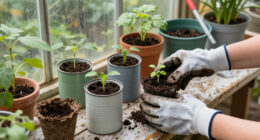
October is also a time to stop routine fertilizer in most areas and water less often as cooler weather and shorter days slow soil drying. The report says not to let plants become excessively dry: check the top inch of soil and water if it feels dry. For propagation, it suggests taking a healthy, non-flowering stem cutting about four to six inches (10 to 15 cm) long and rooting it in potting mix in a warm place with bright, indirect light. Keep the medium moist, not soggy.
To extend outdoor flowering, gardeners can move pots to a sheltered, sunnier location and cover tender plants overnight when temperatures fall, using a plant cover, sheet or burlap. For overwintering, bring potted Pelargoniums inside before overnight temperatures regularly drop below 45–50°F (7–10°C), or before an earlier first frost. The guide recommends trimming about one-third of the foliage, checking carefully for pests and placing plants in bright light away from drafts and heating or cooling vents.
Protecting Plants Before Cold Nights
The October checklist matters because Pelargoniums are tender in cold weather and generally cannot stay outdoors through winter in most regions. Acting before regular cold nights or frost gives gardeners a chance to keep potted plants, take backup cuttings and possibly enjoy a little more flowering outdoors. It also separates ordinary seasonal slowdown from problems: fewer blooms as weather cools are expected, while diseased leaves should be removed.
The advice can prevent unnecessary work as well as plant loss. True geraniums, or cranesbills, are hardier perennials and usually do not need the same indoor winter treatment. Identifying which kind is growing helps determine whether to move a pot indoors, take stem cuttings or simply tidy an established garden plant.
pelargonium plant care indoor outdoor
As an affiliate, we earn on qualifying purchases.
As an affiliate, we earn on qualifying purchases.
Pelargoniums Versus Hardy Cranesbills
The source uses “geranium” in its common gardening sense for Pelargonium, a tender perennial often grown as an annual. It distinguishes those plants from true geraniums, also called cranesbills, which are hardy perennials. The two groups have different fall needs, so the guide’s indoor-overwintering steps apply chiefly to tender Pelargoniums.
According to Gardening Know How, Pelargoniums are perennial outdoors only in very warm areas, generally USDA zones 10 and higher. The report says true geraniums are usually hardy in zones 3 through 8. These ranges are general guidance; local exposure, weather and the specific plant can affect what protection is needed.
““Eventually, the plants will slow and stop blooming naturally as the weather cools. This is normal.””
— Gardening Know How
geranium deadheading pruning tools
As an affiliate, we earn on qualifying purchases.
As an affiliate, we earn on qualifying purchases.
Local Frost Dates Shape Timing
The guide does not give one calendar date that works for every garden. Frost timing and overnight temperatures vary by region, and the report makes its recommendations conditional on local weather. It also does not establish that every Pelargonium will survive indoors or that every cutting will root successfully; it describes cuttings as a way to preserve a favored plant if the original does not make it through winter.
Plant-specific conditions matter too. The source does not provide separate instructions for every cultivar or indoor environment. Gardeners should monitor their plants and use the stated temperature and frost cues rather than treating October alone as a signal to move every plant.
As an affiliate, we earn on qualifying purchases.
Watch Temperatures and Plant Health
As October progresses, check local overnight forecasts, inspect leaves and stems, and adjust watering to the soil’s condition. Move tender pots to shelter during cold spells, and bring them indoors before regular nights fall below the guide’s 45–50°F threshold or before frost arrives sooner. Take cuttings while healthy stems remain available.
Before moving plants into the home, check both sides of leaves and along stems for pests. The source advises removing pests; if using a neem-oil product, follow its label directions and let foliage dry fully before bringing the plant indoors. Continue monitoring indoor plants for pests and watering needs through winter.
As an affiliate, we earn on qualifying purchases.
Key Questions
Which geraniums should be brought indoors?
Tender Pelargoniums in pots are the main candidates for indoor overwintering in areas where they cannot survive winter outside. The guide says to bring them in before overnight temperatures regularly drop below 45–50°F (7–10°C), or before an earlier first frost. Hardy cranesbills generally remain outdoors in suitable zones.
Should I keep fertilizing geraniums in October?
Gardening Know How recommends stopping routine fertilizer for tender geraniums in most areas, since extra feeding can encourage fresh growth as the plant should be slowing down. The report says true geraniums generally do not need fall fertilizer.
How often should I water geraniums in fall?
Water less often as cool temperatures and shorter days can keep soil moist longer, but do not stop completely. Check the top one inch (2.5 cm) of soil and water when it feels dry, adjusting to rainfall and conditions.
Can I take geranium cuttings in October?
Yes. The report recommends taking a healthy, non-flowering Pelargonium stem about four to six inches (10 to 15 cm) long, then rooting it in potting mix in warmth and bright, indirect light. Keep the medium moist but not soggy.
Source: rss