
Before buying gear, consider its material durability and quality, as stronger materials last longer and provide better value. Think about how you’ll use it and expose it to various environments—regular use and harsh conditions can wear items down faster. Proper maintenance also extends lifespan, so choose gear that’s easy to care for. Additionally, look for future-proof features and adaptability to avoid frequent replacements. Want to learn more about planning for long-lasting gear?

Get garden gear delivered free with Prime
- Fast, free delivery on millions of items
- Prime Video, Amazon Music and more included
- Member-only deals all year
Key Takeaways
- Prioritize durable, high-quality materials that can withstand regular use and environmental exposure.
- Assess the product’s expected lifespan and how it aligns with your long-term needs.
- Consider maintenance requirements and how proper care can extend gear longevity.
- Balance initial costs with durability and features for sustainable, cost-effective choices.
- Opt for adaptable, future-proof designs to ensure the kit remains useful over time.
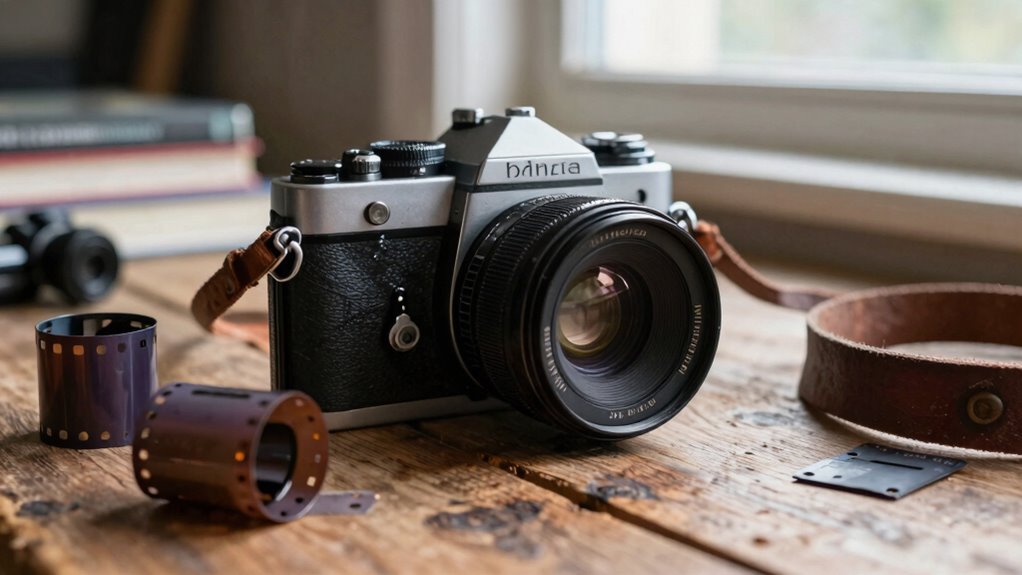
Understanding how long your kit will last is vital for effective planning and cost management. When you’re evaluating options, it’s important to consider material durability. Durable materials tend to withstand daily wear and tear better, meaning your kit will stay functional longer. For example, if you’re purchasing outdoor gear or electronic equipment, look for items made from high-quality, resilient materials. This can sometimes justify a higher initial investment, as more durable gear often provides better value over time. Keep in mind, however, that even the toughest materials aren’t immune to damage. Regular use, exposure to elements, or mishandling can still wear down your gear over time. So, understanding the material’s limits helps you gauge how long your kit will truly last and whether it’s worth the initial investment. Additionally, it’s helpful to consider material durability when assessing overall kit longevity to ensure you’re making a sustainable choice. Recognizing product lifespan can help you better plan for replacements and upgrades over the years. Being aware of wear and tear factors can also assist in selecting gear that is more resilient to your specific usage conditions.
Furthermore, considering maintenance requirements can impact how long your kit remains in optimal condition, as proper care can extend its lifespan significantly. Balancing material durability and technological relevance is key when thinking about kit longevity. It’s tempting to focus only on initial costs or latest features, but a deeper understanding of these factors helps you make smarter decisions. If you choose a kit with sturdy materials and a design that can adapt to future updates, you’ll get more value from your purchase. Conversely, buying cheap, less durable gear or the newest gadget without taking future obsolescence into account can lead to frequent replacements, ultimately costing you more and wasting resources. By weighing these aspects carefully, you set yourself up for a more sustainable, cost-effective approach that guarantees your kit remains useful for as long as you need it.
Products Worth Considering

EGO POWER+ Cordless Electric Leaf Blower with Battery, 530 CFM (LB5302)

Orbit B-hyve XR 16-Zone Indoor/Outdoor Smart Sprinkler Controller

VEVOR Walk-in Tunnel Greenhouse, 15 x 7 x 7 ft Hoop House with Watering System
As an affiliate, we earn on qualifying purchases.
Frequently Asked Questions
How Can I Estimate a Kit’s Lifespan Before Purchasing?
You can estimate a kit’s lifespan by checking its packaging durability and considering storage conditions. Look for packaging that’s sturdy and resistant to moisture or damage, as it protects the contents. Also, review recommended storage guidelines—keeping the kit in a cool, dry place extends its usability. By evaluating these factors, you’ll get a clear idea of how long the kit will last before needing replacement.
What Materials Indicate Longer-Lasting Kits?
Think of materials as the sturdy foundation of a lasting house. High-quality materials like stainless steel, nylon, or reinforced composites symbolize durability and resilience. Look for kits with thick, well-stitched seams, corrosion-resistant parts, and robust components. These durability indicators show a kit’s potential to withstand wear and tear over time. Prioritize these signs of quality to guarantee your investment lasts, giving you peace of mind and long-term value.
Do Brand Reputations Affect Kit Longevity?
Brand reputations definitely matter when considering kit longevity. If you trust a brand with strong brand loyalty, you’re more likely to get a durable product, as they usually prioritize quality. Check product reviews too, as real users often share insights on how long their kits last. Combining reputable brands with positive reviews helps you make smarter choices, ensuring you invest in kits designed to stand the test of time.
How Does Usage Frequency Impact Kit Durability?
Frequent usage can shorten your kit’s durability, especially if your usage patterns involve heavy or intense activities. To maximize longevity, you should follow proper maintenance routines, like cleaning and storing your gear correctly. Regularly inspecting your kit for signs of wear helps catch issues early. By balancing how often you use your equipment with diligent maintenance routines, you guarantee your gear stays functional and reliable for longer periods.
Are Warranty Periods Reliable Indicators of Longevity?
Warranty periods can give you a rough idea of a kit’s expected lifespan, but they aren’t always reliable indicators of longevity. Warranty validity varies by brand trustworthiness; some brands offer longer warranties because they stand behind their products, while others might only provide minimal coverage. To truly gauge a kit’s durability, consider the brand’s reputation, product reviews, and the specific warranty details rather than relying solely on the warranty period.
Conclusion
Remember, investing in quality gear can save you money long-term—did you know that 80% of outdoor enthusiasts keep their gear for over five years? Before buying, consider how durable and versatile the kit is, and whether it’ll meet your needs over time. Thinking about longevity helps you make smarter choices and avoid frequent replacements. So, next time you shop, prioritize durability—your future self will thank you for it!