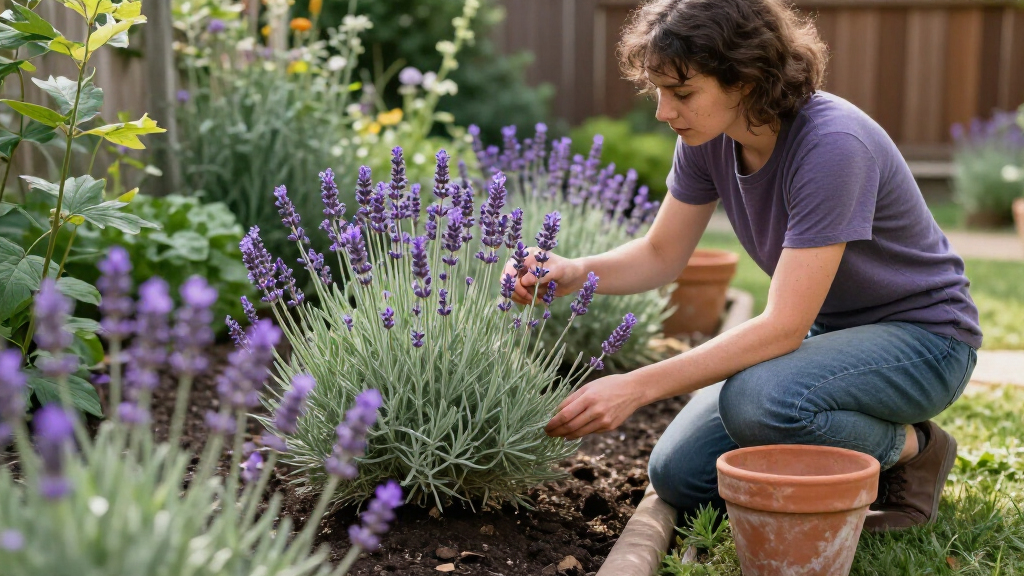
For most gardeners who want reliable color without waiting for seeds to sprout, Phenomenal Lavender Live Plants, 4-Pack is my best overall pick, while Hidcote Blue English Lavender Live Plants suit gardeners who want a named English lavender variety in pots. If you prefer to grow a larger number of plants on a smaller footprint, the 7,000-seed English lavender packs offer a different route, with more patience and germination uncertainty. The main tradeoff is between ready-to-plant starts and the lower-cost, slower process of raising lavender from seed. Variety, pot size, and the amount of care you want to give young plants also affect the fit. Read on for my full comparison of all 15 options and guidance for matching a pick to your garden.

Get garden gear delivered free with Prime
- Fast, free delivery on millions of items
- Prime Video, Amazon Music and more included
- Member-only deals all year
Complete the kit


Key Takeaways
- Ready-to-plant starts lead for speed: The Phenomenal 4-pack is my best overall choice for gardeners who want established plants rather than the extra work and wait of seed starting.
- Named varieties narrow the choice: Hidcote Blue live plants and Vera seeds appeal to gardeners seeking a specific English lavender type, while generic seed packs leave more uncertainty about the resulting plants.
- Large seed counts are not a shortcut to mature plants: The 7,000-seed packs can support ambitious sowing, but germination, thinning, and growing time still shape the final border.
- Pot size and plant count solve different problems: Two 1-quart plants may provide a more substantial starting point per plant, while four smaller 4-inch plants can make it easier to space a row.
- French lavender serves a different garden preference: The Clovers Garden French Lavender pair offers a distinct alternative to the many English lavender options, but gardeners should choose by climate and growing conditions as well as bloom style.
| Phenomenal Lavender Live Plants, 4-Pack |  | Best Ready-to-Plant Border Pick | Plant: Lavandula × intermedia ‘Phenomenal’ | Quantity: 4 live plants | Pot size: 4 inches | VIEW LATEST PRICE | See Our Full Breakdown |
| English Lavender Heirloom Herb Seeds, 2,000 Seeds |  | Best for Beginner Seed Growers | Scientific name: Lavandula angustifolia | Seed quantity: 2,000 | Plant type: Hardy perennial | VIEW LATEST PRICE | See Our Full Breakdown |
| English Lavender Seeds (Lavandula angustifolia), 3,000+ Seeds |  | Best for Culinary Lavender | Plant: English lavender (Lavandula angustifolia) | Seed quantity: 3,000+ in title; 1,500 in description | Seed type: Heirloom, non-GMO | VIEW LATEST PRICE | See Our Full Breakdown |
| English Lavender Seeds for Planting, 7,000+ Heirloom Seeds, 0.7 oz |  | Best Bulk Seed Packet | Plant: English lavender | Seed quantity: 7,000+ | Packet weight: 0.7 oz | VIEW LATEST PRICE | See Our Full Breakdown |
| Lavender (Lavandula angustifolia) Flower Seeds, 7,000 Seeds, 1/4 Ounce |  | Best for Measured Garden Coverage | Plant: Lavender (Lavandula angustifolia) | Seed quantity: Over 7,000 | Packet size: 1/4 ounce | VIEW LATEST PRICE | See Our Full Breakdown |
| Hidcote Blue English Lavender Live Plants, 4-Pack in 4-Inch Pots |  | Best for Compact Purple Borders | Variety: Lavandula angustifolia ‘Hidcote Blue’ | Quantity: 4 live plants | Pot size: 4 inches | VIEW LATEST PRICE | See Our Full Breakdown |
| 4,000 English Lavender Heirloom Herb Seeds (Lavandula angustifolia) |  | Best for Large Seed-Grown Plantings | Seed quantity: 4,000 | Scientific name: Lavandula angustifolia | Plant type: Non-GMO heirloom perennial herb | VIEW LATEST PRICE | See Our Full Breakdown |
| Lavender Herb Plants, 6-Pack |  | Best for Multi-Purpose Herb Gardens | Quantity: 6 live plants | Plant type: Perennial herb | Foliage: Silvery | VIEW LATEST PRICE | See Our Full Breakdown |
| Clovers Garden French Lavender Live Plants, 2-Pack, 4–8 Inches Tall in 4-Inch Pots |  | Best for Long-Season Container Color | Quantity: 2 live plants | Plant type: French lavender | Plant height: 4–8 inches | VIEW LATEST PRICE | See Our Full Breakdown |
| English Lavender Starter Perennials, 3 Plants |  | Best for Hot, Dry Garden Sites | Quantity: 3 starter plants | Plant type: English lavender | Bloom color: Royal blue-purple | VIEW LATEST PRICE | See Our Full Breakdown |
| Lavender Live Plants, 2-Pack, Purple Blooms, 1-Quart Pots |  | Best for Small Borders | Plant type: Live perennial | Pack size: 2 plants | Pot size: 1 quart | VIEW LATEST PRICE | See Our Full Breakdown |
| Hidcote Blue Lavender, 4 Live Plants in 4-Inch Pots | | Best Named Variety Set | Plant variety: Lavandula angustifolia ‘Hidcote Blue’ | Quantity: 4 plants | Pot size: 4 inches | VIEW LATEST PRICE | See Our Full Breakdown |
| SVI English Lavender Seeds for Planting, 1,500 Seeds (Lavandula angustifolia) |  | Best for Cold-Zone Seed Starting | Seed count: 1,500 | Plant type: English lavender (Lavandula angustifolia), perennial | Expected height: 20–24 inches | VIEW LATEST PRICE | See Our Full Breakdown |
| Home Grown English Lavender ‘Vera’ Seeds, 1,500+ Seeds |  | Best for Culinary and Fragrance Projects | Variety: English lavender ‘Vera’ (Lavandula angustifolia) | Seed count: 1,500+ | Use: Indoor and outdoor | VIEW LATEST PRICE | See Our Full Breakdown |
| Fragrant Lavender Perennial Plant, 5-Inch Pot |  | Best Single-Plant Starter | Plant type: Perennial lavender | Pieces: 1 plant | Pot size: 5 inches | VIEW LATEST PRICE | See Our Full Breakdown |
| lavender garden plant | Flower color | Plant type |
|---|---|---|
| Phenomenal Lavender Live Plant | Dark violet | — |
| English Lavender Heirloom Herb | — | Hardy perennial |
| English Lavender Seeds | — | — |
| English Lavender Seeds for Pla | Purple | — |
| Lavender | Purple | — |
| Hidcote Blue English Lavender | — | — |
| 4,000 English Lavender Heirloo | Purple | Non-GMO heirloom perennial herb |
| Lavender Herb Plants | — | Perennial herb |
| Clovers Garden French Lavender | Blue-purple | French lavender |
| English Lavender Starter Peren | — | English lavender |
| Lavender Live Plants | — | Live perennial |
| Hidcote Blue Lavender | Purple-blue | — |
| SVI English Lavender Seeds for | — | English lavender (Lavandula angustifolia), perennial |
| Home Grown English Lavender ‘V | Purple | — |
| Fragrant Lavender Perennial Pl | Purple | Perennial lavender |
More Details on Our Top Picks
Phenomenal Lavender Live Plants, 4-Pack
Four rooted plants make this the most immediate way in this group to establish a lavender border: unlike the seed packets, these arrive growing in 4-inch pots rather than requiring stratification and germination. The ‘Phenomenal’ hybrid is a taller choice, reaching 24–32 inches, with dark violet, fragrant flowers from late spring into summer. That height suits a sunny bed where you want a visible flowering presence and blooms to dry, while pollinators gain a food source.
The tradeoff is that it needs full sun and sharply drained soil; heavy, wet ground can undermine the plants. Its zone range is also inconsistent in the listing, which gives both 5–9 and 4–9. Compared with English Lavender Starter Perennials, 3 Plants, this pack offers one more specimen, but buyers in colder areas should verify local suitability before planting.
Pros:- Four rooted plants are ready to plant
- Dark violet flowers are fragrant and suitable for drying
- Attracts pollinators and is listed as deer-resistant
- Tolerates drought once established
Cons:- Needs full sun and well-drained soil
- Overwatering or heavy soil can damage the plants
- The listing gives conflicting lower hardiness-zone limits
Best for: Gardeners who want several established lavender plants for a sunny, well-drained border without starting from seed
Not ideal for: Gardeners with heavy, waterlogged soil or those who need a confidently stated hardiness range for a colder garden
- Plant:Lavandula × intermedia ‘Phenomenal’
- Quantity:4 live plants
- Pot size:4 inches
- Mature height:24–32 inches
- Flower color:Dark violet
- Bloom period:Late spring to summer
- Sun and soil:Full sun; well-drained soil
- Hardiness:USDA Zones 5–9; listing also states 4–9
Our verdict“Choose this four-plant pack for a faster start on a sunny lavender border, provided your soil drains well and its zone range fits your garden.”
English Lavender Heirloom Herb Seeds, 2,000 Seeds
Clear growing guidance gives this English lavender packet an advantage for gardeners who want to start from seed and plan around a defined plant size. The listing specifies 20–24-inch plants, 18-inch spacing, sowing depth, germination temperature, and an expected 14–30-day germination window. Those details make it easier to plan a bed than the sparse instructions provided for English Lavender Seeds for Planting, 7,000+ Heirloom Seeds, 0.7 oz.
Starting from seed takes patience: cold stratification is recommended, and seedlings need full sun and dry, well-drained soil. The 2,000-seed quantity also gives you fewer attempts than the much larger packets in this roundup, though that can be a more manageable scale for a smaller planting. Choose it for its useful sowing details and perennial English lavender, not for an instant display.
Pros:- Provides sowing depth, spacing, temperature, and germination timing
- English lavender is described as a hardy perennial for Zones 3–9
- Fragrant flowers can be used for sachets, potpourri, and essential oils
- Low-water care suits sunny beds with dry, well-drained soil
Cons:- Cold stratification is recommended before sowing
- Seeds require patience and suitable conditions to germinate
- Smaller seed quantity than the 7,000-plus-seed packets
Best for: First-time seed growers who want specific sowing and spacing guidance for a modest English lavender bed
Not ideal for: Gardeners who want mature plants quickly or do not have a way to provide the recommended cold stratification
- Scientific name:Lavandula angustifolia
- Seed quantity:2,000
- Plant type:Hardy perennial
- Mature height:20–24 inches
- Spacing:18 inches
- Hardiness:USDA Zones 3–9
- Sowing:1/4 inch deep; cold stratification recommended
- Germination:14–30 days at 65°F or higher
Our verdict“Pick this packet if you want detailed seed-starting directions and a manageable quantity for a small English lavender planting.”
English Lavender Seeds (Lavandula angustifolia), 3,000+ Seeds
Edible blooms set this seed packet apart from products in the roundup that focus on fragrance, dried crafts, or sheer quantity. The listing says the English lavender flowers can go into baking, teas, and syrups, and the seeds can be used for indoor containers or outdoor gardens. That flexibility suits a gardener who wants to grow lavender for both the flower bed and the kitchen. Compared with Lavender (Lavandula angustifolia) Flower Seeds, 7,000 Seeds, 1/4 Ounce, this packet gives a specific culinary use, while the latter lists an approximate coverage area and includes planting instructions.
The main hurdle is 30 days of cold stratification before sowing, so this is a slower route than buying Phenomenal Lavender Live Plants, 4-Pack. There is also a quantity discrepancy: the title says 3,000-plus seeds while the description says 1,500. That makes it difficult to plan a planting based on packet size.
Pros:- Flowers are described as suitable for baking, teas, and syrups
- Non-GMO, heirloom seed listing
- Can be grown in containers or outdoors
- English lavender offers fragrant blooms
Cons:- Requires 30 days of cold stratification before sowing
- Seed count conflicts between the title and description
- Starting from seed takes longer than planting rooted live specimens
Best for: Gardeners who want to grow English lavender specifically for edible flowers in containers or an outdoor garden
Not ideal for: Buyers who need a dependable seed count or want to skip a month-long cold-stratification step
- Plant:English lavender (Lavandula angustifolia)
- Seed quantity:3,000+ in title; 1,500 in description
- Seed type:Heirloom, non-GMO
- Cold stratification:30 days in a damp medium in the refrigerator
- Growing locations:Indoor containers and outdoor gardens
- Flower use:Edible; listed for baking, teas, and syrups
Our verdict“Choose this packet for culinary lavender and flexible planting locations if the conflicting seed count is not a planning concern.”
English Lavender Seeds for Planting, 7,000+ Heirloom Seeds, 0.7 oz
More than 7,000 seeds make this the largest stated packet in the batch, suited to gardeners planning repeated sowings or a broad lavender planting. It can be started in pots, planters, or garden beds, giving it more placement flexibility than the live Phenomenal Lavender Live Plants, 4-Pack, which arrives as a fixed set of four established plants. The flowers are described as fragrant and purple, with uses such as dried bouquets, sachets, crafts, and décor.
The bulk quantity only helps if you can manage seed-starting losses and have room for many plants. The listing recommends two to four weeks of cold stratification for best germination, so it is not the quickest route to a flowering garden. Unlike English Lavender Heirloom Herb Seeds, 2,000 Seeds, this product offers a much larger stated quantity but fewer growing specifics, including no listed height, spacing, or germination window.
Pros:- Large stated quantity supports multiple sowings
- Suitable for pots, planters, and garden beds
- Fragrant purple flowers are listed for bouquets, sachets, crafts, and décor
Cons:- Cold stratification of two to four weeks is recommended
- No mature height, spacing, or germination timing is provided
- A large seed quantity can be impractical without room to raise seedlings
Best for: Gardeners planning a large lavender sowing or several rounds of planting who have room to raise many seedlings
Not ideal for: Small-space gardeners or anyone wanting established plants and detailed germination guidance
- Plant:English lavender
- Seed quantity:7,000+
- Packet weight:0.7 oz
- Growing locations:Indoor and outdoor
- Cold stratification:2–4 weeks recommended
- Flower color:Purple
- Flower uses:Dried bouquets, sachets, crafts, and décor
Our verdict“Choose this bulk packet when planting scale matters more than detailed growing guidance or a quick start.”
Lavender (Lavandula angustifolia) Flower Seeds, 7,000 Seeds, 1/4 Ounce
About 125 square feet of stated coverage gives this packet a planning detail most seed options here lack. The over-7,000-seed quantity and full-sun guidance suit someone mapping out a fragrant border, bed, or mix of pots, while the reusable zipper pouch helps with storing leftover seeds. Pollinators are another reason to include lavender in a garden plan, and the listing says the purple flowers attract them. Compared with English Lavender Seeds for Planting, 7,000+ Heirloom Seeds, 0.7 oz, this packet provides a coverage estimate and planting instructions rather than emphasizing the larger 0.7-ounce weight.
That estimate is not a guarantee of a filled bed: germination may take time, and the listing gives no germination window or mature plant spacing. Buyers looking for flowers soon may prefer the rooted Phenomenal Lavender Live Plants, 4-Pack. The 30-day germination refund guarantee is included, but this remains a seed-starting project that needs patience and full sun.
Pros:- Over 7,000 seeds with about 125 square feet of stated coverage
- Attracts bees, butterflies, and other pollinators
- Includes planting instructions and a reusable zipper pouch
- Listing includes a 30-day germination refund guarantee
Cons:- Seeds may take time to germinate
- No germination window or mature spacing is provided
- Needs a full-sun location
Best for: Gardeners mapping a sunny bed or border who want a stated coverage estimate and a seed packet they can store between sowings
Not ideal for: Buyers who need predictable timing, precise mature spacing, or an immediate flowering display
- Plant:Lavender (Lavandula angustifolia)
- Seed quantity:Over 7,000
- Packet size:1/4 ounce
- Coverage:About 125 square feet
- Sunlight:Full sun
- Flower color:Purple
- Storage:Reusable zipper pouch
- Germination guarantee:Refund within 30 days if seeds do not germinate
Our verdict“Pick this packet for a sunny garden plan where a coverage estimate and storage pouch are useful and slow germination is acceptable.”
Hidcote Blue English Lavender Live Plants, 4-Pack in 4-Inch Pots
Hidcote Blue’s compact size and deep purple-blue flowers make this four-plant set a strong fit for edging a sunny path or filling a small border. The rooted 4-inch pots give gardeners a head start compared with seed options such as 4,000 English Lavender Heirloom Herb Seeds, which need sowing and establishment before creating a display. At 12–18 inches tall, these plants stay shorter than those seeds’ stated 20–24-inch mature height. They also bring fragrant foliage and flowers that attract pollinators. The tradeoff is that Hidcote Blue needs full sun and sharply draining soil; heavy or wet ground can be a problem. Choose this set for a ready-planted compact look, but skip it if your site stays damp or shaded.
Pros:- Four rooted plants provide a quicker start than lavender seeds
- Compact 12–18-inch mature height suits borders and path edges
- Fragrant purple-blue blooms attract pollinators
- Drought tolerant once established
Cons:- Needs at least six hours of sun each day
- Sensitive to overwatering and heavy soils
Best for: Gardeners filling a sunny, well-drained border with compact lavender plants that are already rooted
Not ideal for: Gardeners with shaded beds or heavy, water-retentive soil, where these plants may struggle
- Variety:Lavandula angustifolia ‘Hidcote Blue’
- Quantity:4 live plants
- Pot size:4 inches
- Mature height:12–18 inches
- Bloom color:Deep purple-blue
- Bloom season:Late spring through summer
- Hardiness zones:USDA Zones 5–9
- Sun exposure:Full sun, 6 or more hours
Our verdict“Pick Hidcote Blue for a compact, fragrant border planting if you can offer full sun and fast-draining soil.”
4,000 English Lavender Heirloom Herb Seeds (Lavandula angustifolia)
The large seed count makes this the most scale-friendly choice in this batch for gardeners willing to grow lavender from seed. Compared with Hidcote Blue English Lavender Live Plants, which arrive rooted and stay relatively compact, this packet asks for more patience but can support a broader planting if germination and care go well. The resulting plants are listed at 20–24 inches tall, with fragrant purple spikes suited to pollinator beds and dried projects such as sachets and potpourri. Its stated USDA Zones 3–9 range also covers colder regions than the Zones 5–9 listed for Hidcote Blue. The tradeoff is the extra sowing work: cold stratification is recommended, germination takes 14–30 days at 65°F or warmer, and seedlings need dry, well-drained soil.
Pros:- 4,000 seeds offer scope for sowing a larger area
- Listed for USDA Zones 3–9
- Fragrant flowers can be used for sachets, potpourri, and aromatherapy
- Mature plants are listed at 20–24 inches tall
Cons:- Cold stratification is recommended for better sowing results
- Germination takes 14–30 days under the stated temperature conditions
- Seedlings are vulnerable to waterlogged soil
Best for: Seed-starting gardeners who want to attempt a broad English lavender planting and use flowers for crafts
Not ideal for: Gardeners who want established plants or need a quick, predictable display without seed-starting
- Seed quantity:4,000
- Scientific name:Lavandula angustifolia
- Plant type:Non-GMO heirloom perennial herb
- Plant height:20–24 inches
- Flower color:Purple
- Hardiness zones:USDA Zones 3–9
- Sowing depth:1/4 inch
- Germination time:14–30 days at 65°F or warmer
Our verdict“Choose these seeds for a patient, seed-starting gardener planning a larger lavender planting in well-drained soil.”
Lavender Herb Plants, 6-Pack
Six live plants and several stated harvest uses give this pack a practical role in an herb garden, where lavender can serve as both an ornamental and a source of flowers for recipes, teas, bouquets, or crafts. The compact mounds and silvery foliage also suit containers and cottage-style borders. Compared with the English Lavender Starter Perennials, 3 Plants, this set supplies twice as many plants and names culinary uses, while the starter set specifically calls out hot, dry sites and cut flowers. The listing does not identify a lavender variety, mature height, or hardiness range, so buyers have less information for matching plants to a climate than with Hidcote Blue. Full sun and well-drained soil remain necessary, and light pruning after flowering adds a small seasonal task.
Pros:- Six live plants support a fuller planting than the three-plant starter set
- Flowers are listed for culinary, tea, bouquet, sachet, and craft uses
- Compact mounds and silvery foliage suit containers and borders
- Fragrant blooms attract bees and butterflies
Cons:- Variety and mature height are not specified
- Requires full sun and well-drained soil
- Benefits from pruning after flowering
Best for: Gardeners who want several compact lavender plants for an herb garden, containers, and culinary or craft harvesting
Not ideal for: Buyers who need a named variety, stated mature size, or hardiness zone before choosing plants for a particular climate
- Quantity:6 live plants
- Plant type:Perennial herb
- Foliage:Silvery
- Flowers:Fragrant purple blooms
- Growth habit:Compact mound
- Light:Full sun
- Soil:Well-drained
- Care:Light pruning after flowering
Our verdict“Choose this pack for a multi-use herb garden when quantity and harvest flexibility matter more than a named variety or specified size.”
Clovers Garden French Lavender Live Plants, 2-Pack, 4–8 Inches Tall in 4-Inch Pots
Spring-to-frost flowering sets these French lavender plants apart from the English lavender options in this batch, which list blooms mainly from late spring through summer. Their blue-purple flowers and fuzzy gray-green foliage make them suited to sunny patios, balconies, and fresh or dried arrangements. The two rooted plants arrive in 4-inch pots at 4–8 inches tall, giving container gardeners a more immediate start than the seed packets, though the pack offers fewer plants than the six-plant Lavender Herb Plants set. There are tradeoffs: the scent is mild, and the listing says French lavender is less frost hardy than many other lavender varieties. It is also not commonly used for cooking, so choose another option if culinary harvest or cold-climate hardiness leads your decision.
Pros:- Listed to bloom from spring until frost
- Two rooted plants arrive in 4-inch pots
- Decorative flowers suit fresh and dried arrangements
- Drought tolerant once established
Cons:- Less frost hardy than many other lavender varieties
- Milder scent than the English lavender options
- Not commonly used for culinary purposes
Best for: Container and patio gardeners in mild climates who want lavender flowers across a long season
Not ideal for: Gardeners in colder climates or buyers seeking strongly scented or culinary lavender
- Quantity:2 live plants
- Plant type:French lavender
- Plant height:4–8 inches
- Pot size:4 inches
- Flower color:Blue-purple
- Blooming season:Spring until frost
- Watering:About once weekly after establishment
- Growing conditions:Sunny location; loose, sandy, well-draining soil
Our verdict“Pick this French lavender for extended patio color in a mild climate, but choose English lavender for stronger fragrance or colder conditions.”
English Lavender Starter Perennials, 3 Plants
Heat and dry-site tolerance give this three-plant starter set a clear niche among the live options. It is suited to a sunny rock garden or a well-drained bed that runs hot in summer, and its fragrant royal blue-purple blooms and green-gray foliage also fit potpourri and cut-flower use. Compared with Hidcote Blue English Lavender Live Plants, it specifies tolerance for hot, dry sites but gives no variety name, mature height, or hardiness range. That makes climate and spacing decisions less certain, even though it may suit a dry garden well. The three starter plants offer a middle ground between the two-plant French lavender pack and the six-plant Lavender Herb Plants set. Full sun and sandy, well-drained soil are still required.
Pros:- Tolerates hot, dry sites
- Fragrant blooms and foliage attract pollinators
- Three starter plants suit a small grouping
- Flowers can be used for potpourri and cut flowers
Cons:- Requires full sun
- Needs sandy, well-drained soil
- Variety, mature height, and hardiness zones are not specified
Best for: Gardeners establishing a small lavender grouping in a sunny rock garden or hot, dry site
Not ideal for: Buyers who need a named lavender variety, defined mature size, or hardiness zones to plan planting
- Quantity:3 starter plants
- Plant type:English lavender
- Bloom color:Royal blue-purple
- Foliage color:Green-gray
- Sunlight exposure:Full sun
- Soil type:Sandy
- Soil condition:Well-drained
- Care:Tolerates hot, dry sites
Our verdict“Choose this starter set for a sunny, dry garden site if you can work with limited variety and size information.”
Lavender Live Plants, 2-Pack, Purple Blooms, 1-Quart Pots
For a ready-to-plant lavender pair, these 1-quart perennials offer a straightforward way to fill a small border or two containers without starting from seed. Their compact, mounded habit reaches about 18–24 inches in both height and spread, making them easier to place than a larger, multi-plant grouping such as Hidcote Blue Lavender, 4 Live Plants. Purple blooms and fragrance bring pollinator appeal, while low water needs after establishment suit sunny beds that dry between rainfalls. The tradeoff is that this listing gives no named variety, so buyers seeking the specific Hidcote Blue cultivar should choose that four-plant set. These plants also need full sun and well-drained soil; heavy, persistently wet ground is a poor match.
Pros:- Two live plants provide an immediate start for a small planting
- Compact 18–24-inch growth suits borders and containers
- Fragrant purple blooms can attract pollinators
- Low watering needs once established
Cons:- Requires full sun to grow well
- Poor fit for heavy or poorly drained soil
Best for: Gardeners filling a small sunny border or a pair of containers who want established plants rather than a seed-starting project
Not ideal for: Growers with shady or waterlogged garden beds, or buyers who want a named lavender variety
- Plant type:Live perennial
- Pack size:2 plants
- Pot size:1 quart
- Bloom color:Purple
- Bloom period:Late spring to summer
- Sunlight:Full sun
- USDA hardiness zones:5–9
- Mature size:18–24 inches tall and wide
- Soil and moisture:Well-draining soil; low water needs once established
Our verdict“Choose this pair for a compact, ready-to-plant lavender accent in a sunny, well-drained space.”
Hidcote Blue Lavender, 4 Live Plants in 4-Inch Pots
The named Hidcote Blue variety is the strongest reason to choose this four-plant set: it gives buyers a defined English lavender cultivar with fragrant purple-blue flowers, rather than the unspecified lavender in Lavender Live Plants, 2-Pack. Four nursery-pot plants can establish a fuller repeated planting along a sunny path or border, and their pollinator appeal adds activity as well as color. The listing describes the plants as pesticide-free and drought tolerant once established, which suits gardeners seeking a lower-water perennial after it settles in. That payoff depends on the site: overwatering and heavy soil are particular risks, and full sun is required. Compared with the seed packs, this is a faster route to planting, but it offers fewer plants than a large seed sowing could yield.
Pros:- Named Hidcote Blue English lavender variety
- Four live plants are ready to place in the garden
- Fragrant purple-blue blooms attract pollinators
- Drought tolerant and deer resistant once established
Cons:- Sensitive to overwatering and heavy soils
- Needs full sun and well-drained planting conditions
Best for: Gardeners who want four established plants of a specifically named English lavender variety for a sunny border
Not ideal for: Growers with heavy, damp soil or limited sun, and gardeners who prefer raising many plants from seed
- Plant variety:Lavandula angustifolia ‘Hidcote Blue’
- Quantity:4 plants
- Pot size:4 inches
- Expected plant height:28 inches
- Bloom period:Spring to summer
- Flower color:Purple-blue
- Sunlight:Full sun
- USDA hardiness zones:5–9
- Special features:Fragrant, pollinator-attracting, deer resistant, drought tolerant once established
Our verdict“Pick this set for four established, named Hidcote Blue plants when reliable drainage and full sun are available.”
SVI English Lavender Seeds for Planting, 1,500 Seeds (Lavandula angustifolia)
Among the seed options, this pack has a useful advantage for colder gardens: its stated range reaches USDA Zone 3, below the Zone 4 listing for Home Grown English Lavender ‘Vera’ Seeds. The 1,500 heirloom, GMO-free seeds also give patient gardeners room to raise a larger planting than the ready-grown two-plant lavender pack. But seed count is not the same as an easy, immediate border. These seeds call for one month of cold stratification, then 14–30 days for germination, and the seedlings need full sun and sandy, well-drained soil. That process makes this a better fit for gardeners who enjoy planning ahead than anyone hoping for quick blooms. The stated 18-inch spacing also means a mature bed needs room, even when started from a small packet.
Pros:- Stated hardiness range extends to USDA Zone 3
- Pack contains 1,500 heirloom, GMO-free seeds
- Perennial English lavender can provide fragrant purple blooms
- Includes germination and planting guidance
Cons:- Requires about one month of cold stratification before sowing
- Germination can take 14–30 days, with no immediate garden display
- Needs full sun and sandy, well-drained soil
Best for: Cold-climate gardeners who are comfortable stratifying seeds and raising English lavender seedlings for a future sunny bed
Not ideal for: Beginners seeking quick established plants or gardeners without a sunny, well-drained seedling area
- Seed count:1,500
- Plant type:English lavender (Lavandula angustifolia), perennial
- Expected height:20–24 inches
- USDA hardiness zones:3–9
- Sunlight:Full sun
- Soil:Sandy, well-drained
- Germination time:14–30 days
- Planting depth and spacing:1/4 inch deep; 18 inches apart
- Seed features:Heirloom, GMO-free
Our verdict“Choose these seeds if you can plan ahead and want to raise English lavender in a colder climate.”
Home Grown English Lavender ‘Vera’ Seeds, 1,500+ Seeds
Vera is the most project-oriented pick here: the listing specifically presents its English lavender for teas, baking, sachets, and essential oils, so it suits gardeners who want blooms to harvest as well as a purple planting. Its stated indoor and outdoor use offers more flexibility than SVI English Lavender Seeds, though lavender still needs full sun to grow well, which can limit indoor success without a bright spot. The pack contains 1,500+ non-GMO seeds, and cold stratification for 2–4 weeks is recommended to improve germination. That makes the route to usable flowers slower and less certain than buying established plants such as Hidcote Blue Lavender, 4 Live Plants. The listing gives a spring-to-fall bloom period and Zone 4–9 range, but seed raising takes patience and suitable light.
Pros:- Named Vera variety of English lavender
- 1,500+ non-GMO seeds support a larger planting
- Listed for culinary and fragrance uses
- Stated indoor and outdoor use offers growing flexibility
Cons:- Cold stratification for 2–4 weeks is recommended for germination
- Full sun needs can make indoor growing difficult
- Seed-grown plants take longer to establish than live nursery plants
Best for: Home gardeners planning a sunny lavender patch for culinary, sachet, or fragrance projects who are willing to start from seed
Not ideal for: Buyers who need established plants soon or lack a bright outdoor site or strong indoor sunlight
- Variety:English lavender ‘Vera’ (Lavandula angustifolia)
- Seed count:1,500+
- Use:Indoor and outdoor
- Cold stratification:2–4 weeks recommended
- Expected bloom period:Spring to fall
- USDA hardiness zones:4–9
- Expected plant height:2 feet
- Soil type:Loam
- Flower color:Purple
Our verdict“Choose Vera seeds for a sunny, seed-grown lavender patch intended for both flowers and household projects.”
Fragrant Lavender Perennial Plant, 5-Inch Pot
This single rooted plant in a 5-inch pot suits a gardener who wants one lavender accent for a raised bed, container, or border, without buying a multi-plant set. Its planting flexibility is similar to the two-pack, but the larger listed pot and single-plant format make it easier to add lavender to an existing layout one spot at a time. The tradeoff is limited detail: unlike Hidcote Blue Lavender, 4 Live Plants, this listing does not name a cultivar or specify mature dimensions, so buyers have less information for planning a uniform row. It is rated for Zones 5–9 and calls for full sun, moderate watering, and well-draining soil. That watering requirement also asks for more attention than the two-pack’s stated low water needs once established.
Pros:- Single plant fits small additions to an existing garden
- 5-inch pot provides a rooted starting point
- Suitable for containers, raised beds, and borders
- Perennial rated for USDA Zones 5–9
Cons:- Only one plant is included
- Cultivar and mature dimensions are not specified
- Moderate watering needs require more attention than low-water options
Best for: Gardeners adding one lavender plant to a sunny raised bed, container, or existing border
Not ideal for: Buyers planning a uniform multi-plant row or seeking a named cultivar and detailed mature-size guidance
- Plant type:Perennial lavender
- Pieces:1 plant
- Pot size:5 inches
- Flower color:Purple
- Sunlight:Full sun
- USDA hardiness zones:5–9
- Moisture needs:Moderate watering
- Use:Outdoor; borders, containers, and raised beds
- Brand:TANKDA
Our verdict“Choose this single plant for a sunny garden spot when you want a rooted starter and do not need a named variety.”

How We Picked
I ranked these options by how well their format, variety information, and supplied plant count fit common lavender garden goals. Live plants rank ahead for immediacy because they skip germination and early seedling care; among them, I gave weight to clear variety identification, pot format, and the number of plants included. The Phenomenal 4-pack takes the lead as a balanced ready-to-plant choice, while Hidcote Blue earns a distinct place for gardeners who want a named English variety. Larger plants and smaller multi-packs serve different planting plans, so neither automatically outranks the other.
Seeds rank by variety clarity and sowing scale, with the understanding that a high seed count does not promise a matching number of successful garden plants. I considered whether the listing names a lavender type, describes the quantity, and fits a buyer willing to sow, thin, and wait. I also compared French and English lavender as different garden choices rather than treating them as interchangeable. Because the supplied product details do not establish germination rates, mature size, or climate suitability, I do not use those claims to decide the ranking.
| lavender garden plant | Flower color |
|---|---|
| Phenomenal Lavender Live Plant | Dark violet |
| English Lavender Heirloom Herb | — |
| English Lavender Seeds | — |
| English Lavender Seeds for Pla | Purple |
| Lavender | Purple |
| Hidcote Blue English Lavender | — |
| 4,000 English Lavender Heirloo | Purple |
| Lavender Herb Plants | — |
| Clovers Garden French Lavender | Blue-purple |
| English Lavender Starter Peren | — |
| Lavender Live Plants | — |
| Hidcote Blue Lavender | Purple-blue |
| SVI English Lavender Seeds for | — |
| Home Grown English Lavender ‘V | Purple |
| Fragrant Lavender Perennial Pl | Purple |
Factors to Consider When Choosing Best Lavender Garden Plants
Choosing lavender starts with the conditions and timeline of your garden, not the biggest pack count. These broader decisions help you compare plant formats and varieties before buying.
Decide how soon you want a planted border
Live plants bypass the germination stage, which makes them easier to plan around when you are filling a visible bed this season. Seeds suit gardeners who enjoy starting plants early and can wait while seedlings develop. A large seed count can sound like an efficient way to cover ground, but sowing every seed may create more thinning and transplant work than expected. Think about when you need the space to look established, then choose the format that fits that timeline. If you are new to lavender, a small set of live plants can also help you learn how your site handles drainage and sun before you sow a larger area.
Match the lavender type to your local conditions
English and French lavender are not interchangeable labels, and the type can affect both garden appearance and seasonal performance. Check your local winter conditions and the seller’s growing guidance before choosing a variety, especially if you garden where winters are cold or wet. A named type such as Hidcote Blue or Vera gives you a more specific starting point than a generic lavender seed listing. Still, a variety name alone does not tell you whether a plant will thrive in your exact microclimate. When local fit is uncertain, consult a regional nursery or extension resource before committing to a large planting.
Plan spacing from mature size, not package quantity
Count how much bed or container space each plant can occupy after it grows, rather than assuming more plants always make a fuller display. A four-plant set can suit a short row, while two larger potted plants may work better where each specimen needs room to spread. Seedlings make final spacing less predictable because germination varies and young plants need thinning. Leave airflow around lavender and avoid crowding it against other plants, since dense planting can make care and moisture control harder. Sketch the bed and check mature spacing guidance for the named variety before deciding how many units to order.
Treat drainage as a buying requirement
Lavender generally needs a site where water drains freely, so a plant’s format cannot compensate for a soggy bed. Heavy soil may call for a raised bed, a well-draining container mix, or a different planting location before you buy multiple plants. Containers also dry faster than garden soil, so they need attention during hot weather even as they help avoid waterlogged roots. Check whether your garden has full sun and suitable drainage, then choose a pot or bed plan accordingly. A common mistake is to focus on bloom color while overlooking the conditions that determine whether lavender settles in.
Choose how much uncertainty you are willing to manage
Seed packets offer many sowing opportunities, but the eventual number of garden-ready plants depends on germination and seedling care. Product counts alone do not tell you germination rate, seed freshness, or how evenly seedlings will grow. Live plants cost you less time at the beginning, though shipping and transplant establishment can still affect results. Look for clear variety labeling and growing instructions, and treat unsupported performance claims cautiously. If you want a predictable layout, start with a modest number of live plants; if the process itself appeals to you, seeds provide room to experiment.
Frequently Asked Questions
Should I buy live lavender plants or seeds for a new border?
Choose live plants if you want to set the border’s layout quickly and avoid germination and seedling care. Seeds make more sense when you have time to start them and do not mind thinning or gaps if some fail to grow. A large seed count does not guarantee a full border because not every seed becomes a mature plant. For a first planting, a few live starts can show how lavender responds to your site’s sun and drainage. You can expand with seeds later if the growing process suits you.
Are English and French lavender suitable for the same garden conditions?
They can differ in climate tolerance and garden behavior, so I would not choose between them by flower appearance alone. Check the variety’s growing guidance against your winter lows, summer heat, and soil drainage. English lavender is the more common focus in this lineup, while the French lavender pair gives buyers a distinct alternative. Local climate information can matter more than a broad label on a product page. Ask a regional nursery or extension office when the listing does not answer whether a type fits your area.
Does a pack with thousands of seeds make a better value for a large garden?
It can provide plenty of seed for repeated sowing, but the printed quantity does not equal the number of plants you will establish. Germination, seedling losses, and the space needed to raise young plants all affect the final result. For a large garden, also account for the time and supplies needed for trays, transplanting, and thinning. Compare the seed quantity with your intended planting area and the variety information on the packet. If you need a reliably spaced display soon, live plants may be the more practical route.
How many lavender plants should I order for a small bed or patio?
Start with the mature width and spacing guidance for the variety, then measure the planting area before ordering. A compact patio setup may need only one or two plants, while a short border can make use of a multi-plant pack. Pot size matters too: larger potted plants take up more room at arrival but may give a more substantial starting point. Avoid planting close together just to fill an empty bed immediately; lavender needs room for airflow and growth. If the listing omits mature dimensions, look them up for the named variety before choosing pack size.
What should I fix before planting lavender in heavy or wet soil?
First check whether water lingers after rain, because persistent wetness can make a garden bed a poor fit for lavender. A raised bed or container with drainage holes may help, though containers need more frequent watering checks in hot weather. Do not add plants before deciding how you will improve drainage or change the planting location. Also confirm that the site receives ample sun, since shade can leave plants less suited to a typical lavender display. If the soil stays saturated despite changes, choose another spot rather than relying on a particular product to solve the problem.
Conclusion
For most gardeners seeking an easy route to a planted lavender bed, I recommend Phenomenal Lavender Live Plants, 4-Pack as the best overall choice. The 7,000-seed English lavender packs are my best value direction for patient gardeners who want to sow widely and accept variable results. For a more substantial ready-to-plant option, compare the 1-quart live plants as the premium-style pick, while beginners may find the smaller live-plant packs simpler than starting seeds. Choose Hidcote Blue when a named English variety matters, Vera seeds when you prefer seed starting with a specific variety, and the French lavender pair when that type better suits your garden plan. Before ordering, match the variety to your climate and make sure your planting site drains well.