
The best greenhouse glazing overall is the XISOCO 24-pack of twin-wall polycarbonate panels, which offers a more insulated, rigid structure than the thin single-wall sheets. For large structures, Sunmaster EVO IRAC 8-layer film stands out for its layered construction, while Farm Plastic Supply 10 mil string-reinforced sheeting suits growers who want tougher film. The main choice is between flexible film that covers large areas and rigid panels that can provide a more permanent enclosure. Thickness, support spacing, installation effort, and the amount of insulation you need all affect the right pick. Read on for the full breakdown and help matching a glazing type to your greenhouse.

Get garden gear delivered free with Prime
- Fast, free delivery on millions of items
- Prime Video, Amazon Music and more included
- Member-only deals all year
Complete the kit


Key Takeaways
- Twin-wall panels offer a different kind of value than thin sheets: XISOCO and Sinimaka use two-wall construction, making them better suited to buyers prioritizing rigidity and insulation over quick, flexible coverage.
- Film is the practical route for covering broad areas: the 40-by-100-foot greenhouse film and Sunmaster EVO IRAC film provide large-format coverage, while rigid panels require more planning around panel layout and supports.
- Reinforcement separates the tougher film option: Farm Plastic Supply’s 10 mil string-reinforced sheeting is aimed at buyers who want added strength, though its set dimensions may not fit every structure.
- Small panels can simplify handling but increase joins: the 1-by-2-foot and 1-by-3.3-foot panel formats are easier to position individually, but more seams can mean more installation work and potential leak points.
- Product descriptions leave some performance details unclear: confirm light transmission, UV protection, compatible fasteners, and recommended support spacing before buying; thickness alone does not settle which glazing will suit a site.


| greenhouse glazing | Material | Thickness | Dimensions | Color |
|---|---|---|---|---|
| Clear Polycarbonate Roofing Pa | Polycarbonate (PC) | 1 mm | 4 × 32.8 ft | Transparent |
| Greenhouse Film | Polyethylene | 6 mil | 40 ft × 100 ft | — |
| Polycarbonate Roofing Sheet Gr | Polycarbonate (PC) | 0.8 mm | — | — |
| VBS Clear IRAC Greenhouse Plas | Infrared polyethylene | 6 mil | 32 ft × 50 ft | — |
| FENGSHOUU Clear Polycarbonate | Polycarbonate | 1 mm | 3.3 × 9.9 ft | Transparent |
| AFGZQ Clear Polycarbonate Roof | Polycarbonate | 1 mm | — | Transparent |
| XISOCO 4′ x 2′ x 0.16" Twin-Wa | Twin-wall polycarbonate | — | — | — |
| Farm Plastic Supply 10 mil Str | Polyethylene with string scrim reinforcement | 10 mil | 12 × 28 ft | Clear |
| Sinimaka 15-Pack 8 mm Twin-Wal | Polycarbonate | — | — | Translucent |
| Clear Polycarbonate Greenhouse | Polycarbonate | 1 mm | 2 × 6.6 ft | Transparent |
| Sunmaster EVO IRAC 8-Layer Gre | Greenhouse film | 6 mil | 36′ x 50′ | — |
More Details on Our Top Picks
Clear Polycarbonate Roofing Panel, 1 mm Thick, 4 × 32.8 ft
For a greenhouse that needs a continuous covering over a long run, this 4 × 32.8 ft polycarbonate panel offers more length than the smaller FENGSHOUU Clear Polycarbonate Roofing Sheet. Its approximately 89% light transmission keeps the covering bright, while UV protection and a stated operating range of -40°C to 120°C suit outdoor installations. The 1 mm material can be cut or shaped, including into arches, giving DIY builders more flexibility than rigid, pre-sized panels.
The tradeoff is handling: it arrives rolled, so it may need time and space to flatten before mounting. At just 1 mm thick, it is not the choice I would make where a rigid, load-bearing glazing system is needed. Choose it for adaptable coverage; skip it if you want smaller sheets that are easier to handle or greater structural stiffness.
Pros:- Long 32.8-foot roll can cover extended runs with fewer separate pieces.
- Approximately 89% light transmission supports a bright growing space.
- UV protection and stated -40°C to 120°C operating range suit outdoor use.
- Can be cut and shaped for custom or arched frames.
Cons:- Arrives curved and may need flattening before installation.
- At 1 mm thick, it offers less rigidity than thicker or twin-wall panels.
- Manual measurements may vary by 1–2 cm.
Best for: DIY greenhouse builders covering long runs or curved frames who want a cut-to-fit, UV-protected clear sheet.
Not ideal for: Buyers seeking rigid glazing or an easy-to-handle small panel; the thin sheet arrives rolled and needs flattening.
- Material:Polycarbonate (PC)
- Color:Transparent
- Thickness:1 mm
- Dimensions:4 × 32.8 ft
- Light transmission:Approximately 89%
- Temperature range:-40°C to 120°C
- Package contents:1 panel; screws included
- Installation options:Screw fixation, adhesive sealant, or cable ties
Our verdict“I would choose this for long or curved greenhouse runs where adaptable coverage matters more than rigid panel construction.”
Greenhouse Film, 6 mil, 40 ft x 100 ft
This 40 × 100 ft, 6 mil polyethylene film is the lineup’s practical choice for covering a large greenhouse with flexible sheeting rather than fitting individual rigid panels. It diffuses sunlight and reduces shadows, which can help distribute light more evenly across plants. Unlike the smaller VBS Clear IRAC Greenhouse Plastic Sheeting, this roll prioritizes coverage area over named anti-condensate or infrared features.
The film can be installed with common homeowner tools and used in a single or double layer; the second layer offers an insulation option without changing to polycarbonate glazing. That flexibility comes with more installation work than a pre-sized sheet: the large roll needs to be cut and secured, and modest building skills are expected. I would also plan for repair tape if the film is damaged. Choose it for broad, budget-conscious DIY coverage, not for a rigid, long-term panel system.
Pros:- Large 40 × 100 ft roll suits extensive greenhouse coverage.
- Diffuses sunlight and reduces shadows across the growing area.
- UV protection is included.
- Can be installed in single or double layers for different insulation needs.
Cons:- Installation requires cutting, securing, and modest building skills.
- Film repair tape may be needed to mend damage.
- Flexible film does not provide the rigidity of polycarbonate panels.
Best for: DIY growers building or re-covering a large greenhouse who need broad film coverage and the option of a double layer.
Not ideal for: Buyers who want rigid glazing, a pre-cut sheet, or specified anti-condensate treatment; this film requires fitting and installation work.
- Material:Polyethylene
- Thickness:6 mil
- Dimensions:40 ft × 100 ft
- UV protection:Yes
- Light behavior:Diffuses sunlight and reduces shadows
- Layer options:Single or double
Our verdict“I would pick this roll for a large DIY greenhouse where flexible coverage and a possible double layer matter more than rigid glazing.”
Polycarbonate Roofing Sheet Greenhouse Panels – UV‑Resistant Rainproof Plastic Roof Covering for Garden, Farm, Sunroom & Chicken Coop, 1.6 x 3.3 ft (0.5 x 1 m)
At 1.6 × 3.3 ft per sheet, this YIQIFLY panel is better suited to patching a small roof section or building a compact enclosure than covering a full greenhouse in one go. Its polycarbonate construction offers a rigid-sheet alternative to the flexible Greenhouse Film, 6 mil, 40 ft x 100 ft, and the panels can be cut, bent, and drilled to fit a custom frame. 85% light transmission provides useful daylight while UV resistance blocks harmful rays.
The main compromise is the 0.8 mm thickness: it is thinner than the 1 mm FENGSHOUU sheet, so it may flex under heavy loads or severe impact. Installation also requires tools and hands-on fitting; these are not pre-fitted panels. I would choose this for smaller projects where individual sheet dimensions help, but not for a broad roof or a structure that needs thicker, stiffer glazing.
Pros:- Small sheet dimensions can suit patching and compact structures.
- 85% light transmission provides a clear route for daylight.
- UV-resistant, waterproof polycarbonate is specified for outdoor use.
- Can be cut, bent, and drilled for custom fitting.
Cons:- At 0.8 mm thick, panels may flex under heavy loads or severe impact.
- Cutting and drilling tools are needed for installation.
- Small individual sheets require more joints when covering larger areas.
Best for: Gardeners repairing a small greenhouse section or fitting a compact enclosure who can cut and drill panels to size.
Not ideal for: Buyers covering a large greenhouse or needing stiffer glazing; each small sheet is only 0.8 mm thick and requires custom fitting.
- Brand:YIQIFLY
- Material:Polycarbonate (PC)
- Panel size:1.6 × 3.3 ft (0.5 × 1 m)
- Thickness:0.8 mm
- Light transmission:85%
- Temperature range:-40°C to 120°C
- Weight:15 pounds
- Model number:JNYCCJEFD-WXL-1.6X3.3FT(0.5X1M)
Our verdict“I would use these panels for compact builds or localized repairs, not as the main glazing for a large greenhouse.”
VBS Clear IRAC Greenhouse Plastic Sheeting, 6 Mil, 32′ x 50′
The VBS film stands apart from the plain Greenhouse Film, 6 mil, 40 ft x 100 ft by combining anti-condensate treatment with light diffusion. The treatment is intended to limit water droplets that can block light, while greater than 90% translucency keeps the cover bright. UV additives carry a stated four-year use rating, making this a more specified film choice for growers who want features beyond basic UV-protected polyethylene.
Its 32 × 50 ft format is smaller than the 40 × 100 ft Greenhouse Film roll, so it may fit a mid-sized structure with less excess material, but the supplied roll still needs cutting to match the frame. The description does not give a temperature range or quantified heat-regulation performance despite the infrared designation. I would favor it for growers focused on condensation and diffuse light, while those seeking documented thermal figures should compare specifications before buying.
Pros:- Anti-condensate treatment is intended to limit light-blocking water droplets.
- Greater than 90% translucency and light diffusion support bright, more even coverage.
- UV additives carry a stated four-year use rating.
- 32 × 50 ft roll suits greenhouse, hoop-house, and crop-patch applications.
Cons:- No temperature range or quantified heat-regulation performance is provided.
- The roll must be cut to fit the installation.
- At 6 mil, it remains flexible film rather than rigid glazing.
Best for: Greenhouse and hoop-house growers who want diffuse light, anti-condensate treatment, and a stated outdoor-use rating.
Not ideal for: Buyers who need a specified temperature range or quantified heat-regulation data, or who want pre-cut glazing.
- Material:Infrared polyethylene
- Thickness:6 mil
- Dimensions:32 ft × 50 ft
- UV resistance:Rated for 4 years of use
- Light transmission:Greater than 90% translucent
- Treatment:Anti-condensate
- Product dimensions:60 × 10 × 10 inches
- Item weight:50 pounds
Our verdict“I would choose this over basic greenhouse film when condensation control and a stated use rating matter more than a larger roll or documented thermal data.”
FENGSHOUU Clear Polycarbonate Roofing Sheet, 3.3 × 9.9 ft
This 3.3 × 9.9 ft, 1 mm polycarbonate sheet suits a smaller greenhouse roof or a DIY section where a full-length roll would be awkward to handle. It shares the approximately 89% light transmission and -40°C to 120°C temperature range of the Clear Polycarbonate Roofing Panel, 1 mm Thick, 4 × 32.8 ft, but its shorter format is easier to allocate to a modest project. The sheet can be cut and bent, and screws are included for securing it.
That convenience does not make installation effortless: it arrives rolled and must be flattened and secured before use. Its 1 mm construction also favors flexible, cut-to-fit coverage over the stiffness of thicker or twin-wall panels elsewhere in the roundup. I would choose FENGSHOUU when a smaller quantity of clear polycarbonate is a better fit than a long roll; for extensive coverage, the 32.8-foot panel offers more reach.
Pros:- Shorter 3.3 × 9.9 ft format is suited to smaller projects than a long roll.
- Approximately 89% light transmittance keeps the covering bright.
- Filters UV rays and is described as waterproof and impact-resistant.
- Can be bent or cut, with screws included.
Cons:- Arrives rolled and needs flattening and securing before use.
- At 1 mm thick, it is less rigid than thicker or twin-wall panels.
- Manual measurements may vary by 1–2 cm.
Best for: DIY greenhouse owners covering a small roof or replacing a limited section who want a cuttable, UV-filtering sheet.
Not ideal for: Growers covering long runs or seeking rigid, insulated glazing; this is a rolled 1 mm sheet that needs flattening.
- Material:Polycarbonate
- Thickness:1 mm
- Color:Transparent
- Dimensions:3.3 × 9.9 ft
- Light transmittance:About 89%
- Temperature range:-40°C to 120°C
- Package contents:1 sheet and screws
Our verdict“I would choose FENGSHOUU for a smaller cut-to-fit polycarbonate project, while the longer Clear Polycarbonate Roofing Panel makes more sense for extended runs.”
AFGZQ Clear Polycarbonate Roofing Panel, 4 × 19.7 ft
The AFGZQ panel suits greenhouse roofs that need one long, transparent sheet rather than many short pieces. Its approximately 95% transparency admits abundant daylight, while the 4 × 19.7 ft format can cover a substantial run with fewer panel joins than the smaller Clear Polycarbonate Greenhouse Roof Panels, 2 × 6.6 ft. At just 1 mm thick, it is lightweight, cuttable, and drillable, offering a flexible alternative to glass for DIY glazing. That thinness is also the main compromise: it is less rigid than the XISOCO twin-wall panels, which are better suited to buyers seeking insulation and a sturdier multiwall sheet. This panel may arrive curved and needs flattening and secure fastening before installation; its long format also calls for careful handling and support.
Pros:- Approximately 95% transparency admits abundant natural light.
- Long 19.7 ft format can reduce joins along a roof run.
- Lightweight, impact-resistant alternative to glass.
- Can be cut and drilled for custom installation.
Cons:- May arrive curved and require flattening before installation.
- At 1 mm thick, it is less rigid and insulating than twin-wall panels.
- Manual measurements may vary by 1–2 cm.
Best for: DIY greenhouse builders covering a long, narrow roof section who want a clear, lightweight sheet they can cut to fit.
Not ideal for: Growers seeking insulated, rigid glazing or a ready-to-install panel, since this 1 mm sheet may arrive curved and needs careful support.
- Material:Polycarbonate
- Panel dimensions:4 × 19.7 ft
- Thickness:1 mm
- Transparency:Approximately 95%
- Color:Transparent
- Weight:9,300 g
- Package contents:1 panel; screw included
- Installation options:Screws, glass or structural adhesive, or cable ties
Our verdict“Choose the AFGZQ for long roof runs where high light transmission and easy cutting matter more than insulation or panel rigidity.”
XISOCO 4′ x 2′ x 0.16″ Twin-Wall Polycarbonate Greenhouse Panels, 24-Pack
For a greenhouse that needs more than a clear weather barrier, the XISOCO 24-pack brings twin-wall construction and a large panel count to the job. Its air spaces help limit heat loss and excess summer heat, while the design is intended to reduce condensation dripping—advantages the thin, single-wall AFGZQ panel does not offer. The stated 99.5% UV protection can help guard the panels against UV-related yellowing and brittleness, but the coating is on one side only, so installation orientation matters. These 48 × 24 inch sheets make a more modular build than the long AFGZQ roll, though seams and cutting tolerance can add fitting work. The stated 10-year limited warranty is a useful ownership detail; buyers should still plan for a careful layout and check each cut dimension.
Pros:- Twin-wall construction helps reduce heat loss and excess summer heat.
- Design helps limit condensation dripping into the growing space.
- Lightweight, shatter-resistant panels are supplied in a 24-pack.
- One-sided UV coating and a stated 10-year limited warranty.
Cons:- UV-protective side must face the correct direction during installation.
- Panel dimensions can vary by up to ±0.19 inch.
- Multiple panels create seams and require more fitting than a single long sheet.
Best for: Greenhouse builders glazing a larger structure who want multiple lightweight twin-wall panels with insulation and condensation control.
Not ideal for: Buyers who want one uninterrupted sheet or a simple installation without checking which panel side faces outward.
- Material:Twin-wall polycarbonate
- Quantity:24 panels
- Panel dimensions:48 × 24 × 0.32 inches
- Nominal wall thickness:0.16 inches
- UV protection:99.5%; one side only
- Total item weight:30.4 pounds
- Warranty:10-year limited warranty
- Cutting tolerance:±0.19 inch
Our verdict“Pick XISOCO when thermal moderation and a large supply of twin-wall panels matter more than uninterrupted coverage.”
Farm Plastic Supply 10 mil String-Reinforced Greenhouse Plastic Sheeting, 12′ x 28′
The Farm Plastic Supply sheeting is the film choice for buyers who want a flexible cover rather than rigid glazing. Its 10 mil string-reinforced polyethylene combines a lightweight film format with added reinforcement, making it a different proposition from the cut-to-fit polycarbonate panels in this roundup. The 12 × 28 ft sheet can cover hoop-house structures and also serve as a vapor barrier or dust wall, so it suits projects where adaptability matters. UV-resistant additives are designed for up to four years of use, but that stated service life is not the same as the long-term rigidity of twin-wall panels such as Sinimaka’s 8 mm sheets. Film can move and flex rather than form a firm roof, and the 30-pound listed weight may make unpacking and positioning a two-person task.
Pros:- String scrim reinforces the film while retaining flexibility.
- UV-resistant additives are designed for up to four years of use.
- Clear sheeting distributes natural light through a greenhouse.
- Can also be used as a vapor barrier or construction dust wall.
Cons:- Flexible film requires a suitable frame and secure installation.
- The listed 30-pound weight may make handling more difficult.
- A large roll needs careful unpacking and positioning.
Best for: Hoop-house growers and DIY builders who need a flexible, reinforced cover that can also serve construction or vapor-barrier projects.
Not ideal for: Gardeners who need rigid, insulating glazing or a roof panel that holds its shape without a supporting frame.
- Material:Polyethylene with string scrim reinforcement
- Thickness:10 mil
- Dimensions:12 × 28 ft
- UV resistance:Designed for up to 4 years
- Color:Clear
- Item weight:30 pounds
- Product dimensions:50 × 8 × 8 inches
Our verdict“Choose this reinforced film for a supported hoop house or multipurpose covering, not for rigid greenhouse glazing.”
Sinimaka 15-Pack 8 mm Twin-Wall Polycarbonate Greenhouse Panels, 4 x 2 ft
Sinimaka’s 8 mm twin-wall panels put thickness and structural feel ahead of the larger pack size offered by XISOCO. The 15 translucent sheets provide 120 sq. ft. before trimming, overlap, or waste, and their twin-wall build adds rigidity and thermal insulation while diffusing natural light. That softer light can suit growers who prefer less direct glare than the clear 1 mm AFGZQ sheet, though it will not give the same transparent view. The panels can be cut, drilled, or cold-bent, giving builders options for custom structures, and the stated Class A flame performance may matter for some projects. The UV coating is only on one side and must face the sun; also, the stated coverage is a planning figure, not the finished area after overlaps and fitting.
Pros:- 8 mm twin-wall construction adds rigidity and thermal insulation.
- Translucent panels diffuse natural light.
- Can be cut, drilled, or cold-bent with common tools.
- One-side UV coating and stated ASTM E84 Class A flame performance.
Cons:- UV-coated side must face the sun during installation.
- Actual installed coverage will be lower after trimming, overlap, or waste.
- Translucent finish is less clear than the transparent AFGZQ panel.
Best for: Growers building a greenhouse who want thicker twin-wall glazing, diffused light, and insulation across a defined coverage area.
Not ideal for: Buyers prioritizing clear views, a single seamless sheet, or coverage that needs no allowance for trimming and overlap.
- Material:Polycarbonate
- Panel count:15
- Panel dimensions:Approximately 4 × 2 ft
- Panel thickness:0.32 in (8 mm)
- Coverage:120 sq. ft. before trimming, overlap, or installation waste
- UV protection:One-side UV coating
- Color:Translucent
- Weight:27 lb
- Flame performance:ASTM E84 Class A
Our verdict“Choose Sinimaka for thicker, light-diffusing twin-wall glazing when insulation and rigidity outweigh clear visibility.”
Clear Polycarbonate Greenhouse Roof Panels, 1 mm, 2 × 6.6 ft
For a compact repair or a small greenhouse section, these 2 × 6.6 ft polycarbonate panels are easier to handle and fit than the much longer AFGZQ 4 × 19.7 ft panel. The clear 1 mm sheet is flexible and can be cut or shaped for roof sections, awnings, skylights, or partitions; its stated operating range of -40°C to 120°C also suits projects exposed to varied temperatures. That versatility comes with a clear limit: this is a thin sheet, not the insulated, rigid glazing offered by XISOCO’s twin-wall panels. It ships rolled, so it needs flattening and fastening before it can serve as a roof. The smaller format helps with handling but means larger greenhouse builds will need multiple pieces and more joins.
Pros:- Compact dimensions are easier to handle than the long AFGZQ sheet.
- Transparent material allows natural light through.
- Flexible sheet can be cut or shaped for varied projects.
- Stated temperature range is -40°C to 120°C.
Cons:- Ships rolled and must be flattened and fixed before use.
- At 1 mm thick, it may not suit projects requiring a rigid panel.
- Larger builds need multiple sheets and additional joins.
Best for: DIY gardeners repairing a small roof area or glazing a compact structure with a sheet they can cut and shape.
Not ideal for: Builders covering a large greenhouse or seeking insulated, self-supporting panels, since this sheet is only 1 mm thick and ships rolled.
- Material:Polycarbonate
- Dimensions:2 × 6.6 ft
- Thickness:1 mm
- Color:Transparent
- Temperature range:-40°C to 120°C
- UV protection:Yes
- Package contents:1 panel
- Installation methods:Screws, glass or structural adhesive, or cable ties
Our verdict“Pick this compact sheet for small, cut-to-fit glazing jobs, but use twin-wall panels for insulation or a more rigid greenhouse roof.”
Sunmaster EVO IRAC 8-Layer Greenhouse Film, 6 mil, 36′ x 50′
The Sunmaster EVO IRAC suits growers who want greenhouse film with more than basic weather coverage. Its eight-layer, 6 mil construction combines heat retention with light transmission, while anti-drip and anti-fog properties help limit moisture buildup that can wet foliage or cloud the cover. The stated operating range extends down to 15°F and through summer temperatures, giving it a broader seasonal brief than a simple cover. Compared with the VBS Clear IRAC Greenhouse Plastic Sheeting, this film offers a larger 36-by-50-foot sheet and specified eight-layer construction; buyers choosing between them should match sheet size to their frame and installation plan. The tradeoffs are its 50-pound handling weight and a directional installation requirement: the printed writing must face inward. It also remains flexible film, not rigid panel glazing.
Pros:- Eight-layer, 6 mil film combines heat retention with light transmission.
- Anti-drip and anti-fog properties help manage condensation inside the greenhouse.
- Specified for use from temperatures as low as 15°F through summer heat.
- 36′ x 50′ sheet can cover a substantial greenhouse area.
Cons:- The printed writing must face inward, adding a direction-sensitive step during installation.
- At 50 pounds, the sheet may be difficult for one person to position and secure.
- Flexible film does not provide the rigidity of polycarbonate panels.
Best for: Growers covering a large greenhouse who want heat retention and condensation-control features in one film and can install it with the printed side facing inward.
Not ideal for: Gardeners who want rigid, self-supporting glazing, need a smaller sheet, or cannot manage a 50-pound roll during installation.
- Material:Greenhouse film
- Layers:8
- Thickness:6 mil
- Dimensions:36′ x 50′
- Weight:50 pounds
- UV resistance:4 years
- Temperature range:Effective as low as 15°F and in summer temperatures
- Features:Heat retention, light transmission, condensation control, anti-drip, and anti-fog
- Manufacturer:Plastika Kritis
Our verdict“Choose this film for a large greenhouse where heat retention and condensation management matter more than rigid panel construction.”
How We Picked
I ranked these options by how well their format and stated construction match common greenhouse needs: broad coverage, lasting rigidity, easier handling, or added protection. I gave weight to material type, stated thickness, panel construction, dimensions, reinforcement, and any described UV or weather resistance. I also considered the practical work each format can involve, including support requirements, joining multiple panels, and covering a large frame.
The ranking favors products whose specifications point to a clear use case rather than treating every sheet as interchangeable. Twin-wall panels rank ahead for buyers seeking a more structured enclosure; large film rolls rank well for covering sizable frames; and smaller or thinner panels are more specialized options. Product descriptions do not establish every performance detail, so buyers should verify light transmission, installation guidance, and compatibility with their greenhouse before choosing.
| greenhouse glazing | Color |
|---|---|
| Clear Polycarbonate Roofing Pa | Transparent |
| Greenhouse Film | — |
| Polycarbonate Roofing Sheet Gr | — |
| VBS Clear IRAC Greenhouse Plas | — |
| FENGSHOUU Clear Polycarbonate | Transparent |
| AFGZQ Clear Polycarbonate Roof | Transparent |
| XISOCO 4′ x 2′ x 0.16" Twin-Wa | — |
| Farm Plastic Supply 10 mil Str | Clear |
| Sinimaka 15-Pack 8 mm Twin-Wal | Translucent |
| Clear Polycarbonate Greenhouse | Transparent |
| Sunmaster EVO IRAC 8-Layer Gre | — |
Factors to Consider When Choosing Best Greenhouse Glazing
Greenhouse glazing is a structural choice as much as a covering choice. Before settling on a material, match the product to your frame, climate, growing season, and willingness to repair or replace it. These broader checks can prevent a mismatch that a thickness number or large roll size alone will not reveal.
Choose Film or Rigid Panels Based on the Frame
Start with what your greenhouse frame can support, not with the glazing material you prefer. Film is flexible and can cover long spans, but it needs secure attachment and suitable tensioning so it does not flap or sag. Rigid polycarbonate panels need a frame layout that supports their edges and any joins. A common mistake is buying a large roll of film for a frame with no practical way to fasten it evenly. If your frame is lightweight or temporary, flexible film may be simpler; a permanent frame with planned supports is a better match for panels.
Treat Thickness as One Clue, Not a Performance Guarantee
Thickness can help distinguish products, but it cannot tell you everything about strength, insulation, or light quality. A 6 mil film and a 6 mil reinforced film may behave differently because reinforcement changes the construction. Likewise, a twin-wall panel has an air space that a thin single-wall sheet does not, so equal-looking dimensions do not mean equal function. Check for specific claims on UV protection, layer structure, and intended use rather than choosing by the largest number alone. When those details are missing, ask the seller for installation and performance specifications before committing.
Check Light Transmission for the Crops You Grow
Clear glazing is often appealing, but the right light conditions depend on your plants, location, and season. Direct sun can create heat stress in some setups, while reduced light can limit growth during darker months. Do not assume that “clear” means identical light transmission across film and polycarbonate products. Look for stated transmission or diffusion information and compare it with your crop needs. If a listing does not supply those figures, factor that uncertainty into the decision rather than relying on appearance alone.
Measure Coverage and Plan for Seams
Measure the greenhouse surfaces you plan to cover, including enough material for attachment and any overlap recommended by the manufacturer. A very large film roll can reduce the number of joins, but it may be harder to handle without help. Smaller panels are easier to position, yet a layout with many pieces adds seams, fasteners, and opportunities for water to enter. Draw a simple coverage plan before ordering and note where doors, vents, and roof edges interrupt the surface. This step can also show whether a package contains enough area for the project without relying on rough estimates.
Factor in Weather, Replacement, and Upkeep
Wind, snow, hail, and strong sun place different demands on greenhouse glazing, and local conditions should guide the choice. A reinforced film may appeal in exposed settings, while rigid panels can suit a fixed structure that has adequate support. Neither format removes the need to inspect fasteners, seams, and worn areas over time. Ask how the material should be attached and whether it can be patched or replaced in manageable sections. A low-maintenance choice is not just the material itself; it also depends on how easy your frame makes inspection and repair.
Compare the Full Installation, Not Just the Glazing
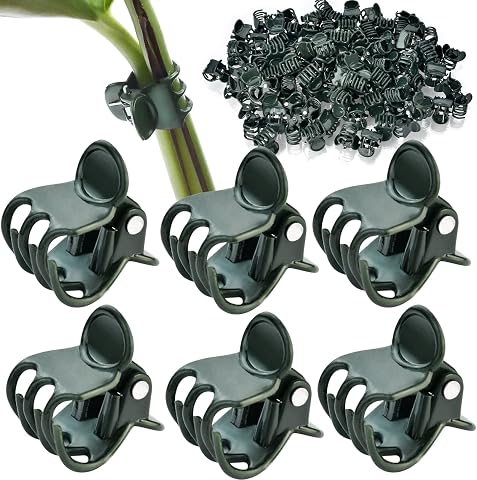
The glazing sheet is only one part of the project: clips, compatible screws, joining profiles, sealants, and labor can affect the finished result. Panel systems may call for specific fastening methods, while film needs secure edges and a way to maintain tension. Reusing hardware from an older covering can cause problems if it does not match the new material or frame. Before ordering, check whether the listing includes installation accessories or only the glazing itself. Paying more for a suitable system can make sense when it reduces improvised fixes, but a simple film setup may be a better fit for a temporary or seasonal structure.
Frequently Asked Questions
Should I choose greenhouse film or polycarbonate panels for a permanent greenhouse?
For a permanent greenhouse, compare the frame’s strength and layout with the support needs of each material. Twin-wall polycarbonate panels offer a more structured option and can provide an insulating air space, but they need appropriate support and careful joining. Film can cover large areas with fewer rigid components, though it relies on secure attachment and may need more frequent inspection or replacement. The best fit depends on your local weather, installation skills, and whether the structure is designed for panels. Check the manufacturer’s requirements before treating either material as a permanent solution.
Does twin-wall polycarbonate keep a greenhouse warmer than thin clear panels?
Twin-wall construction includes two faces with a space between them, which can reduce heat transfer compared with a thin single-wall sheet. That does not guarantee a particular greenhouse temperature, since air leaks, frame design, ventilation, and outdoor conditions also matter. Among these picks, XISOCO and Sinimaka are the products specifically described as twin-wall panels. Compare their installation guidance and stated thermal information rather than assuming all polycarbonate products perform alike. For cold-weather growing, glazing alone cannot replace suitable ventilation and heating plans.
How do I choose the right greenhouse glazing size?
Measure each roof and wall section separately, then account for edges, attachment points, and any overlap the product instructions call for. Large film rolls can simplify coverage across broad structures, but handling and cutting a large sheet may take more than one person. Small panels offer easier individual handling but create more seams and require a coverage layout. Check whether the listed dimensions describe one sheet or a multipack, and calculate usable coverage rather than relying on the package title. A drawn plan helps reveal gaps around doors and vents before you order.
Is thicker greenhouse film always more durable?
No. Thickness is relevant, but reinforcement, material quality, UV treatment, attachment, and exposure also shape how film holds up. Farm Plastic Supply’s listing specifies 10 mil string-reinforced sheeting, while several other film options are 6 mil; that makes construction an important comparison, not a simple thickness contest. A thicker film can still fail early if wind catches a loose edge or the frame creates abrasion. Look for clear information about UV protection and installation, then match the product to your site conditions.
What should I verify before buying greenhouse glazing online?
Confirm the exact dimensions, quantity, material construction, and whether the item includes clips or other mounting hardware. Check for stated UV protection, light transmission, support spacing, compatible fasteners, and any limits on bending or cutting. Product names can describe broad uses such as roofing or greenhouse covering without spelling out every installation detail. Compare those specifications with your frame and local weather instead of relying only on a photo or thickness. If a key detail is absent, ask the seller before ordering so you can judge whether the remaining uncertainty is acceptable.
Conclusion
For most buyers comparing these options, I’d start with XISOCO twin-wall panels as the best overall when a rigid, insulated-style panel format fits the frame. The best value for broad coverage is the 6 mil, 40-by-100-foot greenhouse film, particularly for large structures where a roll format is useful. For a more specified film construction, Sunmaster EVO IRAC is my premium pick, while the small-format polycarbonate panels are the easiest starting point for beginners who prefer manageable pieces over a huge sheet. Choose Farm Plastic Supply’s reinforced film for a project where its added reinforcement and dimensions suit the site; choose Sinimaka if you want twin-wall panels in a multipack. Before buying any of them, verify coverage, mounting needs, and performance details against your greenhouse frame.