
TL;DR

Get garden gear delivered free with Prime
- Fast, free delivery on millions of items
- Prime Video, Amazon Music and more included
- Member-only deals all year
Gardening experts are sharing updated methods for cultivating napa cabbage, emphasizing optimal planting and care practices. This guide provides confirmed tips for successful growth.
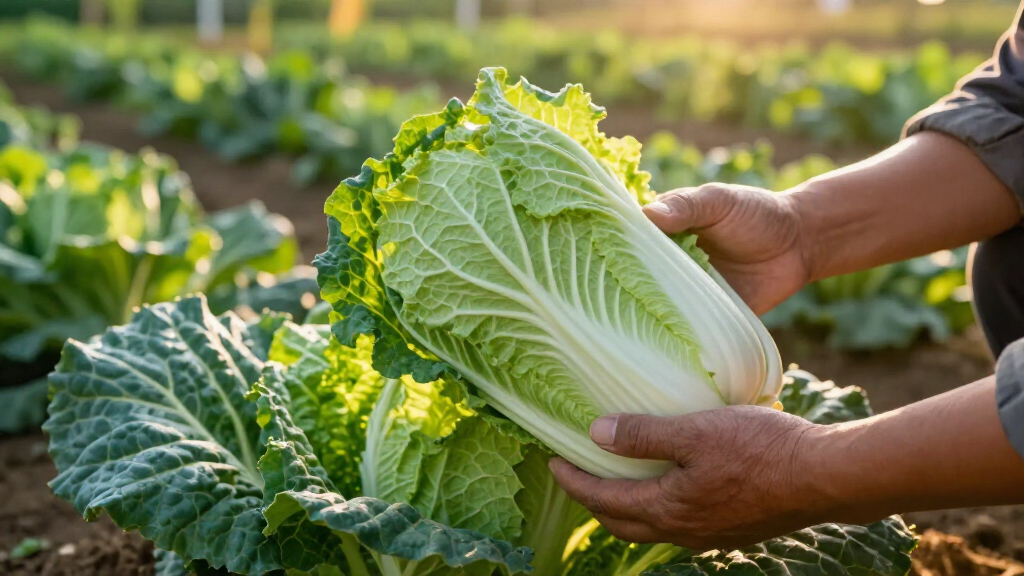
Gardening experts are emphasizing effective techniques for growing napa cabbage, also known as Chinese cabbage, to improve yields and crop quality. This guidance aims to assist home gardeners and small-scale farmers in optimizing their cultivation practices during the current growing season.
Recent advice from horticultural sources confirms that napa cabbage thrives in well-drained, fertile soil with a pH between 6.0 and 7.5. It is recommended to sow seeds directly into the ground or start indoors 4-6 weeks before transplanting outdoors, depending on local climate conditions. Consistent watering, especially during the early growth stages, is crucial for healthy development, with experts advising about 1 inch of water per week.
Current best practices also include using crop rotation to prevent soil-borne diseases, applying organic fertilizers such as compost or well-balanced NPK fertilizers, and providing shade during peak summer heat to prevent bolting. Pest management remains important; common pests like aphids and cabbage worms are best controlled through integrated pest management strategies, including manual removal and organic insecticides. Harvesting typically occurs 70 to 90 days after planting, once the heads are firm and compact.
Why Growing Napa Cabbage Matters for Gardeners
Successful cultivation of napa cabbage can significantly enhance home vegetable production, offering a nutritious, versatile crop that can be used in salads, stir-fries, and kimchi. As demand for fresh, homegrown produce rises, understanding effective growing techniques helps gardeners maximize their yields and reduce reliance on store-bought vegetables. Moreover, napa cabbage is relatively easy to grow with proper care, making it accessible for both novice and experienced gardeners.
As an affiliate, we earn on qualifying purchases.
Latest Gardening Advice for Napa Cabbage Cultivation
Growing napa cabbage has gained popularity due to its nutritional benefits and culinary versatility. Recent gardening publications and expert advice emphasize soil preparation, planting timing, and pest control as key factors for success. Traditionally, napa cabbage is grown in East Asia, but it has become increasingly common in home gardens worldwide. Current recommendations reflect ongoing research into optimal planting conditions, especially in response to climate variations and pest pressures.
organic fertilizer for napa cabbage
As an affiliate, we earn on qualifying purchases.
As an affiliate, we earn on qualifying purchases.
Unresolved Questions About Optimal Growing Conditions
While current advice emphasizes soil and pest management, there is still limited specific data on the best varieties for different climates and how changing weather patterns might impact growth. Additionally, the effectiveness of certain organic pest control methods in different regions remains under review, and further research is needed to refine these practices.
garden pest control organic insecticide
As an affiliate, we earn on qualifying purchases.
As an affiliate, we earn on qualifying purchases.
Upcoming Research and Garden Trials on Napa Cabbage Cultivation
Researchers and horticulturists plan to conduct trials testing various napa cabbage varieties across diverse climates to identify those best suited for different regions. Gardeners are encouraged to follow local extension service updates and participate in community trials to share results. Advances in pest control and soil management are also expected to be published in upcoming agricultural journals, informing future best practices.
well-drained fertile soil for vegetables
As an affiliate, we earn on qualifying purchases.
As an affiliate, we earn on qualifying purchases.
Key Questions
When is the best time to plant napa cabbage?
The optimal planting time depends on your climate, but generally, it is best to sow seeds indoors 4-6 weeks before the last expected frost date or directly outdoors in early spring or late summer for a fall crop.
What soil conditions are ideal for napa cabbage?
Napa cabbage prefers well-drained, fertile soil with a pH between 6.0 and 7.5. Enriching the soil with compost or organic matter before planting can promote healthy growth.
How can pests be effectively managed?
Integrated pest management strategies, including manual removal of pests like aphids and cabbage worms, as well as organic insecticides, are recommended. Crop rotation also helps prevent pest buildup.
How long does it take to harvest napa cabbage?
Most varieties are ready to harvest approximately 70 to 90 days after planting, once the heads are firm and compact.
Can napa cabbage be grown in containers?
Yes, with sufficient space and deep containers, napa cabbage can be successfully grown in containers, provided the soil remains moist and nutrients are replenished regularly.
Source: rss
Fall yard work Picks
leaf blowers
As an affiliate, we earn on qualifying purchases.