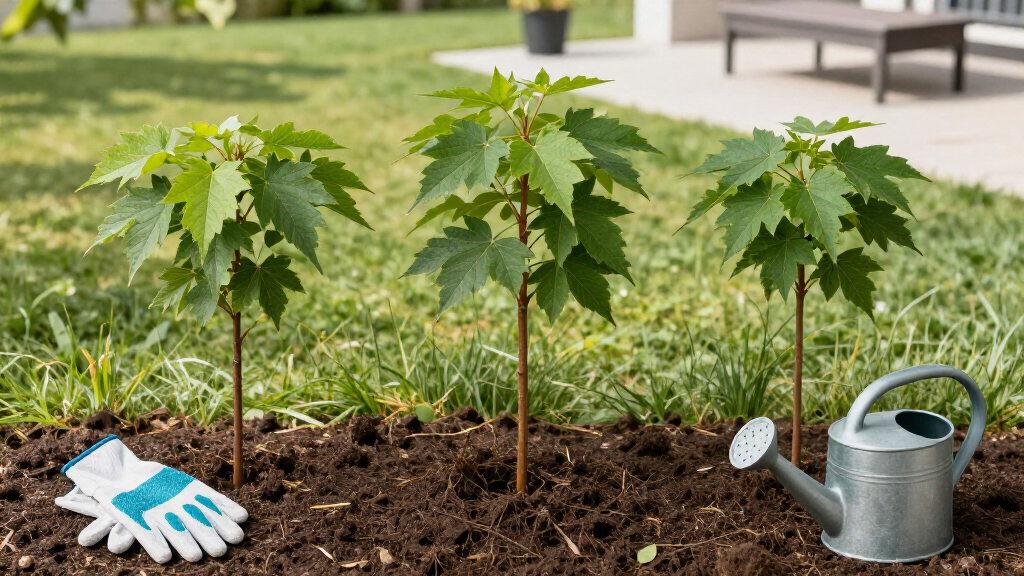

When selecting the best fast-growing shade trees, the goal is to find options that provide quick cover while maintaining health and visual appeal over time. The American Red Maple stands out as a top overall choice for its rapid growth and vibrant fall color, but options like the Silver Maple and Thornless Honey Locust also deliver impressive speed and versatility. The main tradeoffs typically involve balancing growth rate with maintenance needs, disease resistance, and fall foliage quality. Continue reading for a detailed breakdown of each tree and what makes them a fit for different landscapes.

Get garden gear delivered free with Prime
- Fast, free delivery on millions of items
- Prime Video, Amazon Music and more included
- Member-only deals all year
Complete the kit


Key Takeaways
- The fastest-growing options often have vibrant fall foliage, but may require more maintenance or be prone to certain pests.
- Maples, especially Red Maples, consistently combine rapid growth with attractive seasonal color, making them a top pick overall.
- Trees like the Silver Maple and Hybrid Willow offer exceptional growth speed but can have issues with root spread or structural strength.
- Planting size and age significantly affect how quickly a tree provides shade; larger, more established plants grow faster initially.
- Choosing the right tree depends heavily on your climate, soil, and aesthetic priorities—fast growth is just one factor.


| fast-growing shade tree | Growth Rate |
|---|---|
| American Red Maple Shade Tree | — |
| 3 American Sycamore Trees for | Fast |
| American Sycamore | 3 Live Tre | Fast |
| 3 Pack Red Oak Trees | — |
| Red Maple Trees for Planting | — |
| Northern Red Oak Tree | Fast (several feet per year under good conditions) |
| Thornless Honey Locust Tree | Fast growing |
| The Maple Autumn Blaze Tree | Fast |
| 3 Silver Maple Tree Live Plant | Fast-growing |
| Aussie Hybrid Willow Tree Root | Fastest growing tree in the world |
More Details on Our Top Picks
American Red Maple Shade Tree – Live Plant, 2-3 Feet Tall
This American Red Maple stands out for its readiness to plant immediately upon arrival, making it an excellent choice for those wanting quick results. Compared with the American Sycamore, it is smaller and easier to manage for smaller yards or urban gardens, though it won’t provide the same expansive shade early on. Its full sun requirement and zone versatility (3-9) make it adaptable, but as a deciduous species, it offers no winter canopy, which might be a drawback for year-round shade. The size variability upon delivery is typical for nursery-grown trees, but it requires careful planting to ensure healthy growth.
Pros:- Ready to plant upon arrival for quick planting
- Suitable for zones 3-9 with full sun
- Includes detailed planting instructions
Cons:- Deciduous nature means no leaves in winter
- Limited to ground planting—can’t be container-grown
Best for: Homeowners in zones 3-9 seeking a manageable, early-shade tree with simple planting instructions.
Not ideal for: Gardeners wanting immediate full-canopy coverage or trees for large-scale landscapes, as this tree is small and slow to mature.
- Size:2-3 feet tall
- Zones:3-9
- Plant Type:Deciduous
- Shipping Method:Double boxed
Our verdict“Ideal for those wanting an easy-to-plant, zone-friendly shade tree that offers early growth potential in smaller spaces.”
3 American Sycamore Trees for Planting – Fast-Growing Bare Root Shade Trees (Platanus occidentalis)
This set of three American Sycamores excels at providing rapid, large-scale shade with their expansive canopies and distinctive peeling bark, making them ideal for spacious yards or parks. Unlike the American Red Maple, they reach impressive mature sizes, requiring ample space and careful planning. Their adaptability to various soils, including moist conditions, makes them versatile, but their fast growth also means they need prompt transplanting and regular maintenance as they establish. The peeling bark adds year-round visual texture, but during shedding, it can create a mess that some may find inconvenient.
Pros:- Fast-growing with large, dense shade
- Peeling bark provides year-round visual appeal
- Tolerant of various soil types including moist conditions
Cons:- Requires significant space at maturity
- Bare root saplings need careful, prompt planting
Best for: Landscapers or homeowners with large properties seeking quick, impactful shade and visual interest.
Not ideal for: Urban or small yard gardeners who lack space for mature trees or prefer low-maintenance landscaping.
- Quantity:3 trees
- Growth Rate:Fast
- USDA Zones:4-9
- Bark:Mottled, peeling bark
Our verdict“Best suited for large-scale projects where quick, dense shade and visual interest are priorities over space constraints.”
American Sycamore | 3 Live Trees | Platanus occidentalis | Fast-Growing Shade Trees
This trio of American Sycamore trees offers broad canopies that quickly cast dense shade, surpassing the Red Maple in immediate impact. Their striking peeling bark provides visual interest even in winter, but the shedding can be messy, especially in manicured landscapes. Compared to the Sycamore set, these trees are more versatile for varied uses such as privacy or windbreaks, though they demand ample space to accommodate their mature size. Their adaptability to many soil types and full sun conditions makes them a reliable long-term canopy option, but they are less suited for small gardens.
Pros:- Provides quick, dense shade
- Attractive peeling bark year-round
- Adapts well to various soil conditions
Cons:- Requires space for mature growth
- Messy bark shedding during winter
Best for: Gardeners seeking fast, dense shade with year-round visual interest in large or open landscapes.
Not ideal for: Small yard owners or those with limited space, due to the trees’ size and shedding bark.
- Species:Platanus occidentalis
- Number of Trees:3
- Growth Rate:Fast
- Use:Shade, Privacy, Windbreak
Our verdict“Ideal for large properties where immediate shade and visual interest are desired without space constraints.”
3 Pack Red Oak Trees (Quercus rubra) – Live Fast Growing Shade Trees with Vibrant Fall Foliage
This set of Red Oaks delivers on their reputation for rapid growth and stunning fall color, making them excellent for adding seasonal interest to large landscapes. Compared to the Sycamore, they develop a more manageable size for typical yards and offer the added benefit of vibrant red foliage in autumn. While their growth is fast, they may require ongoing maintenance as they mature, and proper spacing is necessary to prevent overcrowding. The fall color can vary depending on local conditions, but overall, these trees provide a balance of quick establishment and seasonal beauty.
Pros:- Vibrant red fall foliage
- Fast-growing for quick shade
- Adaptable to various soils and climates
Cons:- Requires regular maintenance as they mature
- Fall color intensity varies with climate
Best for: Gardeners wanting fast-growing shade trees with spectacular autumn foliage for year-round landscape enhancement.
Not ideal for: Those seeking evergreen or consistently low-maintenance trees, as fall foliage needs attention and maintenance increases with maturity.
- Color:Red fall foliage
- Style Name:3 Red Oak Trees
- Measurements:Unit count: 3
- Additional details:Full sun, hardy, zones 3-10
Our verdict“Best for landscape owners who prioritize stunning seasonal color combined with rapid shade development.”
Red Maple Trees for Planting (Acer rubrum) – Live Hardy Shade Tree Seedlings, 3-Pack
This trio of Red Maple seedlings offers a versatile and affordable way to establish fast-growing shade trees in a variety of climates. Unlike the larger Red Maple or Sycamore, these seedlings are shipped dormant, which might concern some about initial transplant shock, but they typically sprout within 2-4 weeks, providing quick coverage. Compared with the Red Oak, their native adaptability and initial ease of planting make them ideal for beginners or those planting in less predictable conditions. However, they begin as bare stems, so patience is needed before they develop substantial canopy.
Pros:- Vibrant red fall foliage
- Fast sprouting after planting
- Highly adaptable across zones 3-10
Cons:- Ships dormant with no leaves
- Takes 2-4 weeks to sprout visibly
Best for: Beginners or gardeners in zones 3-10 seeking adaptable, quick-start shade trees for multiple landscape uses.
Not ideal for: Those wanting immediate full-size shade trees or minimal maintenance, since these seedlings need time and care to mature.
- Plant Type:Red Maple (Acer rubrum)
- Quantity:3 tree seedlings
- USDA Zones:3-10
- Growth Habit:Fast-growing
- Shipping Condition:Dormant, no leaves
- Expected Sprouting Time:2-4 weeks
Our verdict“Perfect for novice gardeners or those planting in variable climates who want a reliable, fast-growing shade tree seedling.”
Northern Red Oak Tree – 24-36″ Tall Live Plant – Fast Growing Shade Tree (Quercus rubra)
The Northern Red Oak stands out as the best choice for those seeking a durable, long-lasting shade tree that also supports local ecosystems. Compared to the Autumn Blaze Maple, it takes longer to reach full size but offers a more majestic, deeper autumn color and acorn production that attracts wildlife like deer and birds. Its fast growth, especially for an oak, means you’ll see meaningful shade in fewer years, though it still requires patience to reach mature size. Shipping as a bareroot plant demands prompt planting and careful establishment, but once established, it can thrive in a wide range of soils and zones. The tradeoff is its seasonal acorn drop, which may require seasonal yard cleanup. This pick is ideal for homeowners wanting a resilient, native tree that adds both shade and ecological value over decades.
Pros:- Fast-growing for an oak, offering shade sooner than traditional oaks
- Spectacular deep red and burgundy fall foliage that enhances landscape appeal
- Supports local ecosystems with acorn production attracting wildlife
- Tough and adaptable across a wide range of soils and zones
Cons:- Shipped bareroot, requiring prompt planting and careful care
- Still takes several years to reach full shade size
- Seasonal acorn drop can create yard cleanup
Best for: Property owners seeking a long-lived, native shade tree with wildlife benefits and vibrant fall color
Not ideal for: Immediate shade needs, as it takes several years to mature fully, or those uncomfortable with seasonal acorn cleanup
- Botanical Name:Quercus rubra
- Common Name:Northern Red Oak
- Plant Height:24-36 inches (2-3 feet)
- Quantity:1 tree
- Shipping Form:Bareroot
- USDA Hardiness Zones:3-8
- Growth Rate:Fast (several feet per year under good conditions)
- Fall Color:Deep red, burnt orange, burgundy
- Wildlife Value:Acorns attract deer, squirrels, wild turkeys, and birds
Our verdict“This tree makes the most sense for those planning a long-term landscape investment with wildlife and shade benefits in mind.”
Thornless Honey Locust Tree – 18-24″ Tall Live Bareroot Plant, Fast Growing Shade Tree (Gleditsia triacanthos var. inermis)
The Thornless Honey Locust is an excellent choice for urban landscapes, especially compared with the Silver Maple, because it offers safe, thornless, podless foliage that creates dappled shade without the mess or hazards. Its fast growth means it will develop a good canopy in just a few years, though it starts small as an 18-24 inch plant, so full shade takes time. Its tolerance for compacted soils, drought, and pollution makes it ideal for tough city environments. The fine, fern-like foliage decomposes quickly, reducing fall cleanup, and its thornless nature makes it safe around children and pets. The main tradeoff is its small initial size, which delays substantial shade, and it requires prompt planting and careful care after shipping. This tree suits homeowners wanting a resilient, low-maintenance shade with minimal mess.
Pros:- Creates filtered, dappled shade that supports healthy groundcover growth
- Virtually eliminates fall leaf raking with quick-decomposing leaflets
- Thornless and podless, ensuring safety for children and pets
- Highly tolerant of urban stresses like drought, compacted soil, and pollution
Cons:- Arrives as a small plant, so shade development takes years
- Requires prompt, careful planting and establishment
- Growth rate varies depending on site conditions
Best for: Urban dwellers needing a tough, safe, and fast-growing shade tree that tolerates challenging conditions
Not ideal for: Those seeking immediate large shade or a mature tree right after planting, or small yards with limited space
- Botanical Name:Gleditsia triacanthos var. inermis
- Plant Height at Shipping:18-24 inches
- Shipping Form:Bareroot
- Mature Height:30-70 feet
- Growth Rate:Fast growing
- Special Features:Thornless and podless
Our verdict“This pick is perfect for urban landscapes demanding a tough, safe, and low-maintenance shade tree that develops over several years.”
The Maple Autumn Blaze Tree, Vibrant Fall Foliage, Fast Growing, Drought Tolerance, 1 gal Nursery Pot
The Autumn Blaze Maple is a standout for those prioritizing vibrant fall foliage and rapid landscape impact. Compared with the Northern Red Oak, it offers brighter, more consistent orange and red fall colors, with a rounded canopy that provides ample shade at heights of 35-50 feet. It grows quickly from a 1-gallon nursery pot, delivering a strong visual statement in just a few seasons, though it requires full sun and moist, well-drained soil to thrive. Its height and broad spread mean it needs open space and regular maintenance. It is not suited for regions with restrictions on certain imports, like California or Hawaii. This tree suits gardeners wanting immediate autumn color combined with quick shade, but it demands space and care for optimal growth.
Pros:- Vibrant and striking fall foliage with bright orange and red hues
- Fast-growing from nursery size, offering quick landscape impact
- Provides ample shade and ornamental appeal
Cons:- Cannot be shipped to California, Arizona, Alaska, or Hawaii
- Reaches considerable height, requiring space and ongoing maintenance
- Needs full sun and moist soil to reach optimal growth
Best for: Gardeners seeking a fast-growing, colorful shade tree with high ornamental value in suitable climates
Not ideal for: Small yards or regions with shipping restrictions, or those wanting a tree with minimal maintenance
- Height:35-50 feet
- Spread:30-40 feet
- Growth Rate:Fast
- USDA Hardiness Zones:3-8
- Soil Type:Moist, well-drained, acidic
- Sunlight:Full Sun
Our verdict“This tree is ideal for those wanting quick color and shade, provided they have space and suitable planting zones.”
3 Silver Maple Tree Live Plants (Acer saccharinum) – Fast-Growing Shade Trees for Yards & Landscaping
The Silver Maple excels in providing rapid shade for large properties and naturalized landscapes. Compared with the Northern Red Oak, it grows faster and produces a distinctive silver-green foliage with shimmering undersides that catch the light beautifully. Its adaptability to a wide range of soil types and full sun to partial shade makes it a versatile choice, especially for rural settings, windbreaks, or expansive lawns. However, its fast growth means it can become quite large, up to 50-70 feet, requiring ample space and regular pruning. It sheds leaves seasonally, which might not suit those seeking low-maintenance or tidier yards. Perfect for large-scale projects where quick shade and visual impact are primary goals.
Pros:- Rapid growth provides shade and landscape impact quickly
- Attractive silver-green foliage with shimmering undersides
- Highly adaptable to various soil and light conditions
- Cold-hardy with reliable spring growth and fall color
Cons:- Requires a large yard or open space due to size
- Deciduous with seasonal leaf shedding
- May require regular pruning to control size
Best for: Large yard owners or naturalized landscape planners needing quick, extensive shade and seasonal color
Not ideal for: Small yards or homeowners wanting a manageable, slow-growing tree with minimal leaf fall
- Botanical Name:Acer saccharinum
- Common Name:Silver Maple
- Quantity:3 live plants
- Tree Type:Deciduous shade tree
- Growth Rate:Fast-growing
- Foliage:Deeply lobed leaves with silver undersides
- Sun Exposure:Full sun to partial shade
- Climate:Cold-hardy
Our verdict“This tree is best suited for large properties where quick, extensive shade and seasonal color are desired, accepting the seasonal maintenance.”
Aussie Hybrid Willow Tree Rooted Cut – Fast Growing Shade Tree – 10 Feet in First Year
The Aussie Hybrid Willow is unrivaled for rapid height gain, reaching 10 feet in its first year—making it ideal for quick privacy screens or windbreaks. In comparison to the Thornless Honey Locust, it emphasizes speed over form and longevity, with growth rates that can vary with conditions. Its ease of planting, thanks to included instructions and video, makes it accessible even for novice gardeners. Drought and disease tolerant, this tree can adapt to various zones from 3-10, but it needs regular pruning to maintain a desired shape or prevent overgrowth. Its rapid growth is also its main weakness, as it may require frequent pruning and may not develop a stable form quickly. This is best for those needing immediate impact, like wind protection or quick shading.
Pros:- Incredible growth rate, reaching 10 feet in the first year
- Easy to plant and maintain with included instructions and video
- Drought and disease tolerant for reliable performance
- Suitable for a wide range of zones (3-10)
Cons:- Requires 3-5 foot spacing for optimal hedge or barrier
- May need frequent pruning to control shape and size
- Fast growth can lead to inconsistent form if not maintained
Best for: Homeowners or landscapers needing fast, tall screening or windbreaks with minimal fuss
Not ideal for: Those wanting a mature, stable tree in the first few years or with limited space for rapid-growing roots
- Growth Rate:Fastest growing tree in the world
- Height:10 feet in first year
- Zone:USDA Zones 3-10
- Spacing:3-5 feet recommended
Our verdict“This tree is perfect for those needing quick vertical screening, accepting the need for regular pruning and space for rapid expansion.”
How We Picked
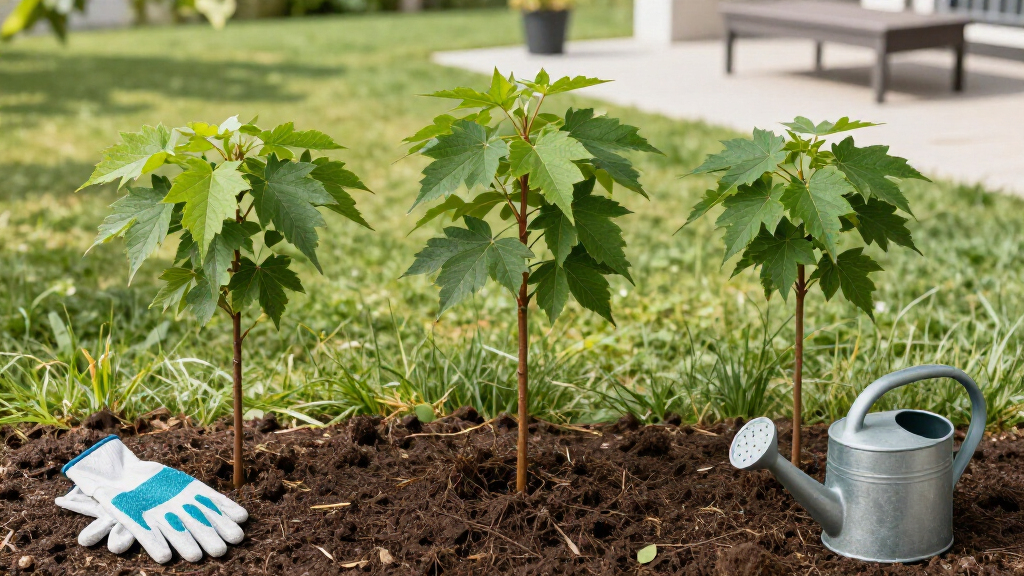
To determine the best fast-growing shade trees, I evaluated each option based on growth rate, overall health and resilience, adaptability to different climates, maintenance needs, and aesthetic appeal. I prioritized trees that deliver quick shade without excessive care requirements or long-term issues like pests or weak wood. The ranking reflects a balance between rapid growth and long-term value, with consideration for different landscape sizes and conditions. Trees that excelled in multiple categories and offered proven performance in diverse environments ranked higher, ensuring a practical guide for a variety of buyers.| fast-growing shade tree | Growth Rate |
|---|---|
| American Red Maple Shade Tree | — |
| 3 American Sycamore Trees for | Fast |
| American Sycamore | 3 Live Tre | Fast |
| 3 Pack Red Oak Trees | — |
| Red Maple Trees for Planting | — |
| Northern Red Oak Tree | Fast (several feet per year under good conditions) |
| Thornless Honey Locust Tree | Fast growing |
| The Maple Autumn Blaze Tree | Fast |
| 3 Silver Maple Tree Live Plant | Fast-growing |
| Aussie Hybrid Willow Tree Root | Fastest growing tree in the world |
Factors to Consider When Choosing Best Fast-growing Shade Trees
Choosing the best fast-growing shade tree involves more than just speed. It’s important to consider factors like climate suitability, soil conditions, mature size, and long-term health. Understanding these elements helps prevent common mistakes like planting a tree incompatible with your environment or selecting a species that outgrows your space quickly. Here are key factors to keep in mind when making your decision.Growth Rate and Size
While quick canopy development is desirable, it’s equally important to consider how large the tree will become at maturity. Some trees, like the Hybrid Willow, shoot up rapidly but can outgrow small yards or require frequent pruning. Choosing a species that aligns with your available space ensures you get fast shade without future issues. Larger container-grown trees typically establish faster than seedlings, but they come at a higher initial cost.
Climate Compatibility
Not all fast-growing trees thrive in every climate zone. For example, Maples do well in temperate areas, but may struggle in very hot or dry environments. Always verify your USDA hardiness zone matches the tree’s requirements. This avoids problems like poor growth or early decline, which can negate the benefits of rapid development. Consulting local extension services or nurseries can help identify the best species for your region.
Soil and Site Conditions
Soil type, drainage, and sunlight are critical factors. Some fast-growing trees, like the Silver Maple, prefer moist, fertile soils, while others like the Honey Locust adapt to a wider range of conditions. Proper site preparation can accelerate growth, but planting a species incompatible with your soil can lead to stunted growth or health issues. Conducting a soil test and selecting a tree suited to your landscape ensures quick establishment and sustained vigor.
Maintenance and Longevity
Fast growth often comes with increased pruning, pest management, or structural support needs. For instance, some Maples may develop weak branches or be susceptible to disease, requiring ongoing care. Conversely, species like the Red Oak tend to be more resilient with less maintenance. Weighing these tradeoffs helps avoid future frustrations, especially for homeowners seeking low-maintenance options that still provide rapid shade growth.
Aesthetic and Seasonal Benefits
Beyond speed, consider what visual benefits the tree offers throughout the year. Maple trees are prized for their stunning fall foliage, while willows provide a lush, soft canopy. Selecting a species that aligns with your aesthetic preferences ensures that the rapid growth translates into visual enjoyment as well as functional shade. Keep in mind that some fast growers may have less appealing features in certain seasons or may shed more debris.
Frequently Asked Questions
Which fast-growing shade tree is best for small yards?
For limited space, the Thornless Honey Locust offers rapid growth with a manageable mature size, typically reaching about 30-40 feet in height. Its open, airy canopy provides ample shade without overwhelming small landscapes. Additionally, its thornless nature reduces maintenance concerns, making it a practical choice for compact yards. However, regular pruning can help maintain its shape and prevent overgrowth.
Are fast-growing trees more prone to pests or diseases?
Fast-growing trees can sometimes be more susceptible to pests, diseases, or structural weaknesses because their rapid growth may produce weaker wood or less dense foliage. For example, Maples may suffer from aphids or fungal issues if not properly cared for. Choosing resilient species and providing appropriate maintenance can mitigate these risks. It’s also wise to select trees suited to your local pest and disease profiles for better longevity.
How long does it typically take for a fast-growing tree to provide full shade?
Most fast-growing trees reach a significant shade-providing size within 10-15 years, depending on the species and planting conditions. For example, the Aussie Hybrid Willow can reach 10 feet within its first year, but it takes longer to develop a full canopy. Proper planting, watering, and fertilization can accelerate growth, but patience remains essential. Keep in mind that initial growth rates vary, and some trees may take longer to offer mature shade.
Should I prioritize growth speed over other factors like fall color or drought tolerance?
While rapid growth is appealing, it’s important to balance speed with other qualities such as drought tolerance, disease resistance, and seasonal interest. For instance, a tree with vibrant fall foliage might outshine a slower grower in autumn, but if it’s prone to drought stress, its long-term health could suffer. Consider your specific landscape conditions and personal preferences to choose a tree that offers both quick shade and lasting value.
What is the best time of year to plant a fast-growing shade tree?
The ideal planting window is typically in early spring or fall when soil temperatures are moderate and the tree is not under stress from extreme heat or cold. Planting during these periods allows the root system to establish before harsh weather sets in, promoting faster growth. Avoid planting during peak summer heat or winter freeze periods, as these conditions can delay establishment and growth. Proper site preparation and watering are key to ensuring quick development.
Conclusion
For most homeowners seeking rapid shade, the American Red Maple offers a balanced combination of fast growth and vibrant color, making it the best overall choice. If budget is a concern, the Silver Maple provides quick coverage at a lower cost, though it may require more maintenance. Those looking for a low-maintenance, fast-growing tree should consider the Thornless Honey Locust or Red Oak. For buyers new to planting or with limited space, smaller options like the Maple Autumn Blaze in a nursery pot can provide a manageable start. Overall, understanding your climate, soil, and aesthetic goals will help you select the best fast-growing shade tree for your landscape in 2026.
As an affiliate, we earn on qualifying purchases.Fall yard work Picks
leaf blowers