TL;DR

Get garden gear delivered free with Prime
- Fast, free delivery on millions of items
- Prime Video, Amazon Music and more included
- Member-only deals all year
A Country Living gardening report recommends harvesting frost-sensitive and useful winter herbs before freezing weather damages them or makes them harder to reach. It suggests freezing basil in water-based purée and drying herbs such as chives, parsley, mint, thyme, oregano and sage. Exact harvest timing depends on local weather and growing conditions.
A Country Living gardening report recommends harvesting selected herbs before the first frost, with the timing depending on each plant’s cold tolerance. It advises freezing basil in purée and drying other herbs for winter cooking, when frost can damage tender leaves and snow may make hardy plants difficult to reach.
The report identifies basil as especially vulnerable to cold, saying it may not tolerate temperatures in the 40s. Rather than relying on dried leaves, it recommends blending handfuls of basil with a little water and freezing the purée in ice cube trays. The cubes can be added to sauces or soups, and the report says this approach can preserve the herb’s fresh color better than drying.
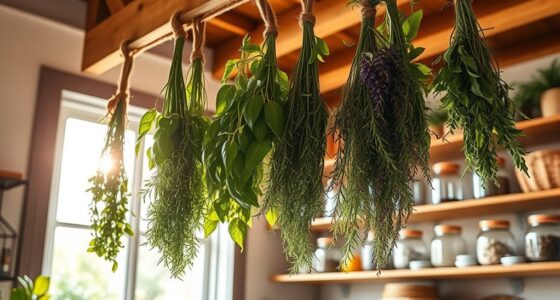
For other herbs, the suggested method varies. The report recommends cutting chives before a freeze, then snipping and oven-drying them; harvesting parsley stems before a hard freeze and oven-drying them; and drying lemon verbena leaves or bunches of stems. Lemon balm and mint leaves can be oven-dried, while bunches of lemon balm stems can be air-dried.
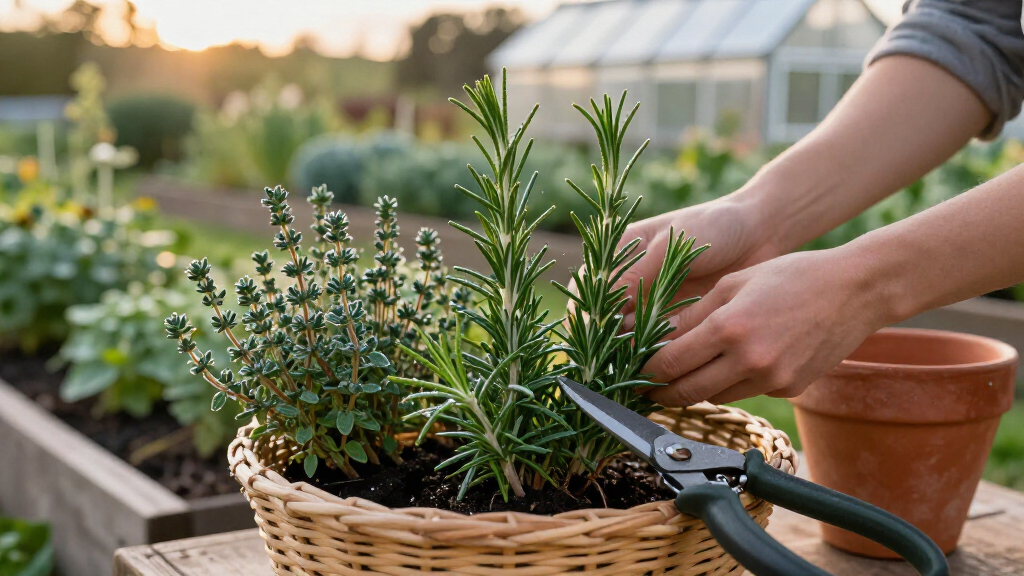
Hardier herbs also have a place in the winter harvest. The report says thyme can survive a light frost and oregano and sage are perennial in some colder growing zones, but suggests gathering them ahead of time to avoid harvesting in snow. Thyme and oregano can be air-dried in bunches or oven-dried; sage leaves can be oven-dried or left on stems to air-dry. The report says drying can intensify thyme and oregano’s flavor.
Preserving Herbs for Cold-Weather Meals
Harvesting before damaging cold arrives can preserve herbs that would otherwise become unusable, while drying or freezing lets cooks use them after the growing season. The advice also addresses a practical issue: even plants that survive winter may be difficult to reach beneath snow. Preservation methods differ by herb, so the report offers options rather than one approach for the whole garden.
The guidance is useful as a seasonal checklist, not a fixed calendar. Watching local forecasts and the condition of individual plants can help gardeners decide when to cut them. Basil calls for particular attention because the report describes it as more cold-sensitive than the other herbs covered.
As an affiliate, we earn on qualifying purchases.
Cold Tolerance Varies by Herb
The report distinguishes between plants that are vulnerable to frost and those that can withstand some cold. It says chives can turn mushy after their first freeze, parsley can survive a light frost but not a hard freeze, and lemon verbena will not survive a hard freeze. Lemon balm and mint are described as perennials to USDA Zone 3, though their aboveground growth dies back in winter.
Thyme is described as generally hardy to USDA Zone 5, while oregano and sage are listed as perennials to USDA Zone 4. These zone references describe perennial hardiness, not a guarantee that every plant will remain accessible or unaffected in every garden. The report’s practical recommendation is to harvest useful amounts before severe cold or snow arrives.
As an affiliate, we earn on qualifying purchases.
Local Frost Timing Remains Key
The source does not provide a single date for harvesting: first-frost timing varies by location, and the article does not tailor its advice to a specific forecast, cultivar or garden. Its temperature and USDA hardiness-zone statements are presented as general guidance, not as a prediction for an individual plant. It also does not give detailed oven temperatures, drying times, storage limits or food-safety instructions. Gardeners should use conditions in their area and follow suitable food-preservation guidance for their chosen method.
As an affiliate, we earn on qualifying purchases.
Check Forecasts and Prepare Storage
Gardeners can check their local forecast, identify which herbs are most vulnerable, and harvest before expected frost or a hard freeze. The report’s suggested next steps are to freeze basil purée in ice cube trays and dry other selected herbs as leaves or tied bunches, then store the preserved herbs for later meals. The amount to harvest and the best timing will depend on local weather and how much each household expects to use.
As an affiliate, we earn on qualifying purchases.
Key Questions
Which herb should I harvest first?
The report identifies basil as especially frost-sensitive, saying it may not tolerate temperatures in the 40s. It is a sensible priority when cold weather is forecast.
What is the recommended way to preserve basil?
Blend basil with a little water, purée it thoroughly and freeze it in ice cube trays. The report suggests adding the cubes to sauces and soups.
Can herbs be harvested after a light frost?
Some can tolerate light frost. The report says parsley and thyme can withstand a light frost, but advises harvesting parsley before a hard freeze and notes that chives can turn mushy after the first freeze.
Which herbs can be air-dried?
The report suggests air-drying bunches of lemon verbena, lemon balm, thyme, oregano and sage. It also offers oven-drying options for several of these herbs.
Does the report give a specific harvest date?
No. It gives seasonal guidance rather than a calendar date. Gardeners need to account for local frost forecasts and the cold tolerance of each herb.
Source: rss
Fall yard work Picks
leaf blowers
As an affiliate, we earn on qualifying purchases.