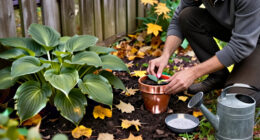
Garden soil moisture sensors fall into two camps: simple analog probes you stick in the dirt and read instantly, and smart sensors that track moisture over time and ping your phone when a plant runs dry. For most gardeners, the XLUX Plant Soil Moisture Meter is the best overall pick because it needs no batteries, gives a readable analog dial in seconds, and survives seasons outdoors. If you want remote monitoring, the THIRDREALITY Smart Soil Moisture Sensor Gen2 3-Pack stands out for its capacitive probes (which resist corrosion far better than resistive ones) and compatibility with SmartThings, Home Assistant, and Hubitat. On a tight budget or buying for multiple beds, the XLUX 2 Pack delivers the same core function for less per unit. The main tradeoff in this category is simplicity versus data: analog meters tell you the moment, smart sensors tell you the trend. Keep reading for the full breakdown of all 11 options.
Complete the kit


Key Takeaways
- Battery-free analog probes (the four XLUX models, Censinda, and the No Battery Needed meter) dominated the value end of this roundup — they cost little, never need charging, and are the right choice for roughly 80% of gardeners who just want a quick yes/no on watering.
- Probe technology is the single biggest durability differentiator: the THIRDREALITY Gen2 uses capacitive sensing, which resists the corrosion that kills cheap resistive probes left in soil, making it the only pick here suited to permanent in-ground installation.
- Multi-function testers (the 7-in-1, YAMRON 4-in-1, and Nexuslab 3-in-1) trade accuracy for versatility — their moisture readings are less consistent than dedicated single-function meters, so they suit curious hobbyists more than serious plant care.
- The two Nexuslab wireless meters are the middle path between dumb probes and full smart-home integration: an LCD receiver and 230 ft RF range without needing a hub, app, or Wi-Fi, ideal for greenhouse growers who want readings without walking to each bed.
- Within the XLUX lineup, probe length is the real decision — the long-probe versions reach deep roots of outdoor shrubs and garden beds, while the standard model is better balanced for potted plants.
| Censinda Soil Moisture Meter for Indoor & Outdoor Plants |  | Best Simple Pick | Probe length: 6.7 inches | Battery: None required | Usage: Indoor and outdoor | VIEW LATEST PRICE | See Our Full Breakdown |
| Moisture Meter for Plants, 7-in-1 Digital Soil Tester Kit |  | Best for Soil Diagnostics | Listed measurements: Moisture, pH, temperature, light intensity, TDS, EC, and fertility | Display: Large LCD with white backlight | Power: 4 × 1.5V AAA batteries, not included | VIEW LATEST PRICE | See Our Full Breakdown |
| THIRDREALITY Smart Soil Moisture Sensor Gen2 3-Pack |  | Best for Smart Garden Automation | Sensor count: 3 | Sensor type: Capacitive | Connectivity: Zigbee 3.0 | VIEW LATEST PRICE | See Our Full Breakdown |
| Soil Moisture Meter for Plants, No Battery Needed |  | Best for Deep Pots | Probe length: 7.6 inches | Power source: None; no batteries needed | Suitable for: Potted plants, garden, farm, and lawn | VIEW LATEST PRICE | See Our Full Breakdown |
| Nexuslab Wireless Soil Moisture Meter with LCD Receiver – 3‑Probe 3‑in‑1 Sensor |  | Best for Multi-Zone Monitoring | Sensor functions: Moisture, temperature, and light | Sensor probes: 3-in-1 | Wireless range: Up to 230 ft; obstacles may reduce range | VIEW LATEST PRICE | See Our Full Breakdown |
| XLUX Plant Soil Moisture Meter, for Indoor and Outdoor Use, Battery-Free |  | Best for Beginners | Use: Indoor and outdoor | Power: Battery-free | Display: Color-coded Dry-Moist-Wet dial | VIEW LATEST PRICE | See Our Full Breakdown |
| XLUX 2 Pack Long Probe Plant Soil Moisture Meter, Battery-Free |  | Best for Multiple Large Pots | Quantity: 2 pack | Probe length: 5.5 inches (14 cm) | Power: Battery-free | VIEW LATEST PRICE | See Our Full Breakdown |
| XLUX Long Probe Plant Soil Moisture Meter, Indoor Outdoor Use, Battery-Free |  | Best for Deep Soil Checks | Probe length: 5.5 inches (14 cm) | Use: Indoor and outdoor | Power: Battery-free | VIEW LATEST PRICE | See Our Full Breakdown |
| Nexuslab Wireless Soil Moisture Meter with LCD Receiver – 3‑Probe 3‑in‑1 Sensor (Moisture, Temperature, Light), 230 ft RF Range, Waterproof, Long Battery Life for Indoor/Outdoor Plants and Gardens |  | Best for Remote Garden Monitoring | Monitoring zones: Up to 12 | Sensor functions: Moisture, temperature, and light | Wireless range: Up to 230 ft RF | VIEW LATEST PRICE | See Our Full Breakdown |
| XLUX Orange 2 Pack Soil Moisture Meter for Garden and Indoor Use |  | Best Color-Coded Pair | Type: Soil moisture meter | Pack size: 2 pack | Color: Orange | VIEW LATEST PRICE | See Our Full Breakdown |
| YAMRON 4-in-1 Soil Moisture Meter Digital Plant Sensor for Indoor & Outdoor Plants |  | Best Full-Diagnostics Pick | Measurements: Moisture, pH, temperature, sunlight | Temperature Range: 32°F to 122°F | Temperature Accuracy: 1.8°F | VIEW LATEST PRICE | See Our Full Breakdown |
More Details on Our Top Picks
Censinda Soil Moisture Meter for Indoor & Outdoor Plants
The Censinda keeps the job focused: it checks soil moisture with a 6.7-inch probe and needs no batteries, so it suits gardeners who want a quick reading without setting up electronics. Compared with the Soil Moisture Meter for Plants, No Battery Needed, its probe is shorter, which may be easier to place in smaller pots but gives less reach in deep containers. Its main tradeoff is the narrow scope: it measures moisture only, while the 7-in-1 Digital Soil Tester Kit also reports pH, temperature, and light. The probe also needs care; the product guidance says not to leave it in soil for long periods or soak it in water. I’d choose it for occasional checks across indoor and outdoor plants, not continuous monitoring or broad soil analysis.
Pros:- No batteries or electronic setup required
- 6.7-inch probe reaches into many standard pots
- Designed for indoor and outdoor soil checks
Cons:- Measures moisture only, unlike the 7-in-1 digital tester
- Should not be left in soil for extended periods
- Probe may be damaged if soaked in water
Best for: Plant owners who want a battery-free moisture check for a mix of indoor pots and outdoor beds
Not ideal for: Gardeners who want remote readings, multiple soil measurements, or a probe left in place between checks
- Probe length:6.7 inches
- Battery:None required
- Usage:Indoor and outdoor
- Measurement:Soil moisture
- Reading method:Probe insertion into soil
- Care guidance:Do not leave in soil for extended periods
Our verdict“Choose the Censinda for straightforward, occasional moisture checks without batteries or extra measurements.”
Moisture Meter for Plants, 7-in-1 Digital Soil Tester Kit
This kit covers more than watering: its listed functions include moisture, pH, temperature, light, TDS, EC, and fertility, with results shown on a backlit LCD. That breadth makes it a better fit for gardeners troubleshooting several plant conditions than the Censinda Soil Moisture Meter, which checks moisture alone. The extra readings also bring more setup: this tester needs four AAA batteries, sold separately, and its probe measures soil rather than liquids. At about 10 cm deep, it offers a defined measurement depth, but very dry or hard soil may be difficult to test without moistening it first. Its roughly 10-second measurement time is suited to spot checks, not unattended tracking. I’d pick it when moisture is one part of a broader soil check; for a simple watering cue, a battery-free meter is less involved.
Pros:- Combines seven listed plant and soil measurements
- Backlit LCD is easier to read in dim areas
- About 10-second measurement time supports quick spot checks
- Approximately 10 cm measurement depth is specified
Cons:- Requires four AAA batteries, which are not included
- Probe cannot be used to measure liquids
- Very dry or hard soil may need moistening before testing
Best for: Gardeners diagnosing plant issues who want moisture readings alongside pH, temperature, light, and other listed measurements
Not ideal for: People who only need a quick moisture check or want remote monitoring without batteries
- Listed measurements:Moisture, pH, temperature, light intensity, TDS, EC, and fertility
- Display:Large LCD with white backlight
- Power:4 × 1.5V AAA batteries, not included
- Measurement depth:Approximately 10 cm
- Measurement time:About 10 seconds
- Use:Indoor and outdoor
- Probe limitation:Not for measuring liquids
Our verdict“Choose this tester if you want soil moisture as part of a wider set of plant diagnostics and can supply the batteries.”
THIRDREALITY Smart Soil Moisture Sensor Gen2 3-Pack
Three capacitive sensors make this the lineup’s automation pick: with a compatible Zigbee hub, the set supports remote monitoring and watering routines across several soil locations. Compared with the Nexuslab Wireless Soil Moisture Meter, which includes an LCD receiver, this THIRDREALITY set is built around smart home integrations such as Hubitat, SmartThings, Home Assistant, and Homey. That can suit an existing connected home, but it also makes the hub a prerequisite rather than an optional convenience. The enhanced antenna is intended to support stable coverage, and firmware updates are available over the air; the supplied details specify that updates require a separate Smart Bridge MZ1. I’d choose it for gardeners who want sensor readings connected to their smart home. If a local display or standalone setup matters more, the Nexuslab is the more direct fit.
Pros:- Three sensors support monitoring multiple soil locations
- Capacitive sensing is designed for stable soil readings
- Works with several listed Zigbee smart home platforms
- Supports remote monitoring and automation
Cons:- Requires a compatible Zigbee hub that is not included
- Some functions depend on additional smart home devices
- Firmware updates require the separate Smart Bridge MZ1
Best for: Smart home users with a compatible Zigbee hub who want to monitor moisture in several plant areas and build automations
Not ideal for: Gardeners without a Zigbee hub or anyone seeking a standalone sensor with its own LCD receiver
- Sensor count:3
- Sensor type:Capacitive
- Connectivity:Zigbee 3.0
- Listed compatibility:Hubitat, SmartThings, Home Assistant, and Homey
- Remote monitoring:Supported
- Automation:Supported
- Firmware updates:Over the air; updates require separate Smart Bridge MZ1
- Antenna:Enhanced for stable coverage
Our verdict“Choose the THIRDREALITY set if you already use a supported Zigbee hub and want moisture readings tied to smart home routines.”
Soil Moisture Meter for Plants, No Battery Needed
The 7.6-inch probe is its main advantage for checking moisture farther down in large pots, garden soil, or lawn areas. It reaches deeper than the Censinda Soil Moisture Meter, whose probe is 6.7 inches, while keeping the same simple, battery-free approach. That makes this a practical choice for gardeners who want an in-place reading without a powered display or smart hub. The tradeoff is that it only checks moisture, so it cannot offer the extra diagnostics of the 7-in-1 Digital Soil Tester Kit or remote updates like the THIRDREALITY sensors. Its probe may also need cleaning after each use, adding a small bit of upkeep when checking several plants. I’d favor it for deeper soil access and simple manual checks, rather than for gardeners who want automated or multi-measurement monitoring.
Pros:- 7.6-inch probe reaches deeper than the Censinda model
- Requires no batteries or electricity
- Listed for pots, gardens, farms, and lawns
- Portable for indoor and outdoor spot checks
Cons:- Measures soil moisture only
- Probe may need cleaning after each use
- Cannot be used to test water or liquids directly
Best for: Gardeners checking moisture in deep containers, larger potted plants, garden beds, or lawns without carrying batteries
Not ideal for: People who want pH or temperature readings, wireless monitoring, or a probe that can test liquids
- Probe length:7.6 inches
- Power source:None; no batteries needed
- Suitable for:Potted plants, garden, farm, and lawn
- Measurement:Soil moisture
- Use:Indoor and outdoor
- Probe care:May need cleaning after each use
Our verdict“Choose this meter for deeper manual moisture checks in large pots and garden soil without battery upkeep.”
Nexuslab Wireless Soil Moisture Meter with LCD Receiver – 3‑Probe 3‑in‑1 Sensor
Nexuslab is the clearest choice for checking several garden zones from one receiver: it pairs a wireless LCD with a three-in-one sensor for moisture, temperature, and light, and can expand to monitor up to 12 zones. Its stated 230-foot RF range offers more separation from the garden than a handheld meter like the Soil Moisture Meter for Plants, No Battery Needed, though walls and other obstacles can reduce that reach. Unlike the THIRDREALITY sensors, it does not require the described Zigbee hub for its receiver-based monitoring. The tradeoff is battery dependence, even though batteries are included, with an estimated 8–12 months of runtime. It also needs soil around its sensors and is not intended for liquids or loose media. I’d choose it for a multi-area garden where a local receiver is useful; a single potted plant rarely needs its expansion capacity.
Pros:- Expandable monitoring supports up to 12 zones
- LCD receiver displays readings wirelessly
- Measures moisture, temperature, and light
- Batteries are included and the sensor is rated IPX5 waterproof
Cons:- Requires batteries, with a listed runtime of 8–12 months
- Wireless range may fall when walls or other obstacles intervene
- Not suitable for liquids or loose growing media
Best for: Gardeners monitoring several beds, pots, or greenhouse zones who want readings sent to a shared LCD receiver
Not ideal for: People caring for one or two plants, or those who want a battery-free meter or phone-based smart home integration
- Sensor functions:Moisture, temperature, and light
- Sensor probes:3-in-1
- Wireless range:Up to 230 ft; obstacles may reduce range
- Expandable zones:Up to 12
- Battery life:8–12 months
- Batteries included:2 × AA and 4 × AAA
- Temperature range:10°C to 45°C
Our verdict“Choose Nexuslab for receiver-based monitoring across multiple soil zones, especially when one handheld meter would mean too many separate checks.”
XLUX Plant Soil Moisture Meter, for Indoor and Outdoor Use, Battery-Free
The XLUX Plant Soil Moisture Meter keeps soil checks simple: insert its slim stainless-steel probe and read the color-coded Dry-Moist-Wet dial. Since it needs no batteries, it suits gardeners who want a quick check without managing an electronic monitor. Its narrower probe is a practical fit for smaller pots where a broader tool could disturb more roots. Compared with the 5.5-inch-probe XLUX models in this roundup, this version is less focused on reaching deep into large pots, but its simpler format is easier to place among ordinary houseplants. The tradeoff is that it measures soil moisture only, and it needs to be cleaned and stored after use. It also requires a hands-on check each time, unlike the wireless Nexuslab monitor.
Pros:- Battery-free operation keeps each reading simple
- Color-coded dial makes moisture levels easy to interpret
- Slim single probe is suited to smaller pots
- Stainless-steel probe is specified as 304 stainless steel
Cons:- Measures soil moisture only
- Requires manual cleaning and storage after use
- Does not offer the deeper reach of XLUX’s 5.5-inch models
Best for: New indoor gardeners who want an uncomplicated moisture check for houseplants and small garden pots
Not ideal for: Gardeners managing many large pots who need deeper readings or remote monitoring
- Use:Indoor and outdoor
- Power:Battery-free
- Display:Color-coded Dry-Moist-Wet dial
- Probe material:304 stainless steel
- Probe design:Slim single probe
- Included:Protective sleeve
Our verdict“Choose this XLUX for straightforward, battery-free checks of ordinary houseplants; pick the Nexuslab if you need remote monitoring across multiple zones.”
XLUX 2 Pack Long Probe Plant Soil Moisture Meter, Battery-Free
This two-pack of XLUX meters is aimed at gardeners who want to check several containers without moving one tool from pot to pot. Each meter has a 5.5-inch probe, giving it more reach into deeper soil than the standard-probe XLUX model. That can help reveal moisture below the surface, where a shallow check may miss what is happening around deeper roots. The dial and battery-free design keep readings as simple as the single XLUX, while the second meter makes parallel checks more convenient. The limits matter: the probe is not suited to very hard soil, should be removed within five minutes, and cannot test liquids. Compared with the wireless Nexuslab, this pair has no remote display or alerts; it is a hands-on tool for pot-by-pot decisions.
Pros:- Two meters allow checks in separate pots without moving one tool
- 5.5-inch probes reach deeper into larger containers
- Battery-free operation avoids battery replacement
- Dial provides quick visual readings
Cons:- Not suitable for very hard soil
- Probe should not remain in soil for more than five minutes
- Cannot test water or other liquids
Best for: Plant owners with several deep or large pots who want to check more than one container at a time
Not ideal for: Gardeners with very hard ground, loose media, or a need for unattended monitoring
- Quantity:2 pack
- Probe length:5.5 inches (14 cm)
- Power:Battery-free
- Display:Easy-to-read dial with clear zones
- Measurement:Soil moisture
- Use:Garden and indoor plants
Our verdict“Pick this pair for hands-on checks across multiple deep pots; choose the Nexuslab for remote readings and alerts.”
XLUX Long Probe Plant Soil Moisture Meter, Indoor Outdoor Use, Battery-Free
The XLUX Long Probe is a single-meter option for gardeners who need to check moisture below the top layer of a pot. Its 5.5-inch probe reaches deeper than the standard XLUX meter, while the large dial keeps the result quick to read. That combination suits larger containers where surface dryness may not match conditions around the roots. Compared with the two-pack XLUX long-probe model, this listing gives you one meter rather than a pair, so it fits gardeners who usually check one plant at a time. Its limits are tied to the probe: the maker advises against very hard soil and non-standard media, and warns that leaving it in soil for over five minutes may cause corrosion. Unlike Nexuslab’s wireless system, it cannot monitor a pot from across the room.
Pros:- 5.5-inch probe checks moisture deeper in pots
- Large dial with clear zones supports quick readings
- Battery-free design requires no charging or battery changes
- Suitable for indoor and outdoor use
Cons:- Less effective in loose or airy media such as perlite or orchid mix
- Not suitable for very hard soil or non-standard media
- Probe may corrode if left in soil for over five minutes
Best for: Gardeners checking standard potting soil in deep indoor planters or outdoor containers
Not ideal for: Growers using perlite-heavy or orchid mixes, very hard soil, or seeking continuous remote readings
- Probe length:5.5 inches (14 cm)
- Use:Indoor and outdoor
- Power:Battery-free
- Measurement:Soil moisture
- Display:Large dial with clear zones
- Recommended medium:Standard potting soil
Our verdict“Choose this single long-probe meter for deeper checks in standard potting soil; the two-pack XLUX is more convenient for several pots.”
Nexuslab Wireless Soil Moisture Meter with LCD Receiver – 3‑Probe 3‑in‑1 Sensor (Moisture, Temperature, Light), 230 ft RF Range, Waterproof, Long Battery Life for Indoor/Outdoor Plants and Gardens
The Nexuslab wireless monitor is the lineup’s choice for checking garden conditions without walking from pot to pot. Its receiver reports moisture, temperature, and light, and the system can expand to monitor up to 12 zones. That broader view can help gardeners spot differences between beds or rooms, while the LCD alerts make readings accessible indoors. Compared with the battery-free XLUX meters, Nexuslab trades simplicity for coverage: it needs six batteries across the receiver and sensor system, and walls or other obstacles can reduce its stated 230-foot RF range. The sensors are waterproof to IPX5, but the meter is not intended for liquids or loose media such as gravel. It makes most sense for a garden with several defined soil zones, not someone who only needs an occasional reading from one pot.
Pros:- Expandable monitoring supports up to 12 zones
- Tracks moisture, temperature, and light
- RF connection has a stated range of up to 230 feet
- IPX5 waterproof sensors suit outdoor use
Cons:- Requires two AA and four AAA batteries
- Walls and other obstacles may reduce wireless range
- Not intended for liquids or loose media such as gravel
Best for: Gardeners tracking several indoor or outdoor soil zones who want readings and alerts at an indoor receiver
Not ideal for: Owners of one or two pots who prefer a battery-free tool, or growers using gravel-like loose media
- Monitoring zones:Up to 12
- Sensor functions:Moisture, temperature, and light
- Wireless range:Up to 230 ft RF
- Power:2×AA and 4×AAA batteries
- Stated battery runtime:8–12 months
- Display:LCD with alerts
- Connectivity:RF wireless
Our verdict“Choose Nexuslab when you want remote readings across several garden zones; for a quick single-pot check, the battery-free XLUX is simpler.”
XLUX Orange 2 Pack Soil Moisture Meter for Garden and Indoor Use
This orange two-pack XLUX puts the emphasis on having a quick-read meter available for more than one plant or garden area. Its large dial with three zones and ten scales gives more visual gradation than a basic dry-to-wet indicator, while the single probe is designed to limit root disturbance. Unlike the long-probe XLUX pair, the supplied details do not specify probe length, so buyers seeking confirmed reach into deep containers may prefer that model. The meters are intended for indoor and outdoor soil checks, but they are not built for hard ground or liquid testing. As with the other manual XLUX options, the probe should be removed within five minutes to avoid corrosion. Compared with the Nexuslab, this pair avoids batteries and receiver setup but offers no continuous or remote readings.
Pros:- Two meters support checks in separate growing areas
- Large dial has three zones and ten scales
- Single probe is designed to minimize root damage
- Suitable for indoor and outdoor gardening
Cons:- Not suitable for very hard soil
- Should not be left in soil for more than five minutes
- Cannot test water or other liquids
Best for: Gardeners who want two easy-to-spot meters for routine checks across houseplants, lawns, or garden beds
Not ideal for: People who need specified deep-probe reach, continuous monitoring, or readings in very hard soil
- Type:Soil moisture meter
- Pack size:2 pack
- Color:Orange
- Usage:Garden, lawn, indoor, and outdoor
- Measurement:Deep soil moisture
- Dial:Large dial with three zones and ten scales
- Probe design:Single probe
Our verdict“Choose this pair for simple, color-coded manual checks in several areas; select the XLUX long-probe pair when deeper reach is the priority.”
YAMRON 4-in-1 Soil Moisture Meter Digital Plant Sensor for Indoor & Outdoor Plants
Most moisture meters in this lineup do one job, and the battery-free options like the XLUX Plant Soil Moisture Meter do that job cheaply. The YAMRON 4-in-1 takes a different approach: it treats moisture as just one piece of the puzzle, adding pH, soil temperature, and sunlight readings in a single probe. That matters because wilting leaves often have nothing to do with water — sometimes the soil is too acidic or the light is wrong, and this is the tool that can tell the difference.
The backlit LCD is genuinely useful for checking plants in dim corners or evening garden rounds, something analog dial meters can’t offer. The tradeoffs are real, though: the probe needs moist soil to register accurately, so it struggles in the exact bone-dry conditions that prompted you to buy it. Batteries aren’t included, and you can’t dunk it in liquids. Compared with the 7-in-1 Digital Soil Tester Kit, it’s simpler and faster to use, but it sacrifices some measurement depth for that convenience.
Pros:- Four measurements in one probe: moisture, pH, temperature, and sunlight
- Large backlit LCD readable in low light and dark corners
- Foldable probe makes insertion and storage easier than fixed-probe rivals
- Tight 1.8°F temperature accuracy for tracking soil warmth
Cons:- Requires moist soil for accurate readings, limiting use in parched pots
- Batteries not included, adding cost and setup friction battery-free meters avoid
- Cannot test liquids directly, so it’s soil-only
Best for: Plant owners troubleshooting mystery plant decline who want moisture, pH, temperature, and light data from one device instead of guessing
Not ideal for: Casual waterers who just want a quick dry-or-not check — a battery-free analog meter like the XLUX does that for less hassle and no battery purchases
- Measurements:Moisture, pH, temperature, sunlight
- Temperature Range:32°F to 122°F
- Temperature Accuracy:1.8°F
- Voltage:6 volts
- Dimensions:2.36″W x 12.6″H
- Weight:120 g
- Color:White
Our verdict“Buy this if you want a diagnostic tool that explains why a plant is struggling, not just whether it’s thirsty — skip it if a simple moisture check is all you need.”

How We Picked
I evaluated these 11 garden soil moisture sensors against four criteria that actually matter to buyers. Reading accuracy and consistency came first: a moisture meter that gives different numbers in the same pot is worse than no meter at all, so I prioritized models with a reputation for repeatable readings. Durability came second — probe material, waterproofing, and whether the sensor uses resistive or capacitive technology, since corrosion is the number one killer of cheap moisture probes. Ease of use covered everything from whether batteries are required to how readable the dial or display is in bright sun.
The final criterion was fit for purpose: a smart-home enthusiast automating irrigation has different needs than someone checking six houseplants on Sunday morning, so each pick was slotted to a buyer type rather than judged on a single scale. The ranking favors reliability and honest value over feature count — which is why dependable single-purpose probes outrank flashier multi-function testers, and why the only capacitive smart sensor earned the premium slot despite needing a Zigbee hub.
Factors to Consider When Choosing Garden Soil Moisture Sensors
Before clicking buy on any garden soil moisture sensor, it helps to understand what separates a meter you’ll use for years from one that ends up in a drawer by August. These are the factors that shaped this roundup — and the mistakes I see buyers make most often.Analog Probe vs. Smart Sensor: Know Which Problem You’re Solving
The most common mistake in this category is buying a smart sensor when an analog probe would do, or vice versa. An analog probe answers one question — is this soil wet enough right now? — and does it in ten seconds with zero setup. A smart sensor answers a different question: how does moisture behave in this soil over days and weeks? That trend data is what lets you catch overwatering, which kills more houseplants than drought. If you water on a schedule and just want a sanity check, buy a $15 probe. If you travel, run a greenhouse, or keep finicky plants, the investment in monitoring pays for itself in saved plants. Don’t pay for connectivity you won’t use — it’s a cost in both money and maintenance.
Capacitive vs. Resistive Sensing (This Is the Big One)
Nearly every cheap moisture probe uses resistive sensing: two exposed metal electrodes measure how well the soil conducts electricity. It works, but the constant electrical current gradually corrodes the electrodes, which is why budget probes drift inaccurate within a season or two of regular use. Capacitive sensors seal the sensing element behind a protective coating and measure the soil’s dielectric response instead — no exposed metal, dramatically slower degradation. Among the picks here, only the THIRDREALITY Gen2 uses capacitive technology, which is why it’s the only one I’d leave permanently planted in a bed. If you buy a resistive probe, plan to wipe it dry and store it after each reading; leaving it in soil is the fastest way to ruin it.
Probe Length Must Match Your Root Depth
Probe length gets ignored constantly, and it’s the difference between useful data and garbage data. A short 4–5 inch probe reads only the top layer of soil in a garden bed — which dries out first and tells you almost nothing about what the roots actually experience. Deep-rooted tomatoes, shrubs, and outdoor beds call for the 7–10 inch probes found in the XLUX long-probe models. Houseplants in 6-inch pots have the opposite problem: a long probe can bottom out and wedge against the pot, giving falsely dry readings and stressing the pot’s root ball. Measure your typical pot depth or bed depth before ordering, and if you garden both indoors and out, a two-pack with different probe lengths covers both scenarios.
Multi-Function Meters: The Versatility Trap
Meters that promise moisture, light, temperature, pH, and fertility in one device look like a bargain, but there’s a physics tradeoff. cramming five sensors into one $25 housing means each sensor gets compromised components, and moisture — the measurement you presumably care most about — often suffers most. The 7-in-1 and YAMRON 4-in-1 picks here are genuinely useful for hobbyists who want a general plant-health snapshot, but if precise watering decisions are your goal, a dedicated moisture meter with a single well-made probe will outperform them. A reasonable strategy: buy one multi-function meter for occasional diagnostics, plus one cheap dedicated probe for everyday watering checks.
Connectivity and Ecosystem Lock-In
If you go the smart route, check the ecosystem requirements before buying, not after. The THIRDREALITY Gen2 requires a Zigbee hub, which means you either need its own hub or a compatible smart-home controller like SmartThings, Home Assistant, or Hubitat — if you have none of those, factor the hub cost into the price. The Nexuslab wireless meters sidestep this entirely with a dedicated RF receiver, which is simpler but limits you to the included display and its 230-foot range. Wi-Fi-based competitors (not represented in this lineup) add router dependence and cloud-service risk: if the manufacturer shuts down its app, your sensor becomes a paperweight. RF and Zigbee approaches both avoid that cloud dependency, which is partly why they’re the connected picks here.
Calibration Expectations and Realistic Accuracy
No consumer moisture sensor under $100 is a laboratory instrument, and setting expectations correctly will make you happier with whatever you buy. Analog dial meters read on a relative dry-to-wet scale rather than precise percentages, so the useful skill is learning what ‘moist’ means for your specific soil — sandy soil reads differently than heavy clay at the same actual water content. The smartest approach is to calibrate against your own behavior: note the reading right after a thorough watering and again when your plant starts wilting, and use those two numbers as your personal thresholds. Also remember soil moisture varies within a single pot — the edge dries faster than the center — so probe near the root zone, not against the pot wall, and take readings in the same spot each time for consistency.
Frequently Asked Questions
Do soil moisture meters actually work, or are they a gimmick?
They work, but with honest limits. A decent probe — analog or digital — reliably tells you whether soil is dry, moist, or saturated, which is genuinely useful because the finger test only reads the top inch and overwatering symptoms mimic underwatering. What they don’t do is give lab-grade volumetric percentages; two different meters can read the same pot differently, and resistive probes drift as they age. Treat the reading as a repeatable relative signal rather than an absolute truth, calibrate against your own plants’ behavior, and even a budget meter will prevent the watering mistakes that kill most plants.
Can I leave a soil moisture sensor in the soil permanently?
Only if it’s a capacitive sensor, and in this lineup that means the THIRDREALITY Gen2 — its sealed sensing element is designed for continuous in-ground use. Resistive probes like the XLUX and Censinda models should be inserted, read, removed, wiped clean, and stored; leaving them planted accelerates electrode corrosion and can corrode readings within weeks. Permanent installation also matters for smart sensors’ value proposition, since trend data only helps if the sensor stays put. If you want constant monitoring on a budget, one permanently placed capacitive sensor plus a cheap handheld probe for spot-checking other plants is the practical split.
Do I need a hub for a smart soil moisture sensor?
It depends entirely on the wireless protocol the sensor uses. The THIRDREALITY Gen2 communicates over Zigbee, which does require either its own hub or a compatible controller like SmartThings, Hubitat, Home Assistant, or Homey — if you already run one of those, there’s no extra cost, but starting from zero adds a hub purchase. If you want remote readings without any smart-home ecosystem, the Nexuslab meters use a point-to-point RF link to a dedicated LCD receiver, so nothing else is needed — the tradeoff is no phone alerts or automation. Wi-Fi sensors avoid hubs entirely but depend on your router and the manufacturer’s app staying alive. Match the connectivity to what you already own rather than rebuilding your setup around a moisture meter.
Why do cheap moisture meters give different readings each time?
Usually one of three causes. First, probe placement: moisture varies within a pot — near the wall dries faster than the center — so moving the probe two inches changes the reading. Second, poor soil contact: air gaps around the electrodes read as dry, so press the probe in firmly and take two or three readings to confirm. Third, the technology itself: resistive probes measure electrical conductivity, which is affected by fertilizer salts and soil composition, not just water, and their electrodes corrode slowly with use, shifting calibration over months. Consistent technique — same spot, same depth, clean probe — fixes most of the variance, and upgrading to a capacitive sensor fixes the rest.
Is a moisture meter enough, or do I need a multi-function soil tester?
For the watering question — which is what sends most people to this category — a dedicated moisture meter is not just enough, it’s better, because a single-purpose probe typically gives more consistent readings than a five-sensor combo device. Multi-function testers like the 7-in-1 and YAMRON 4-in-1 earn their place when you’re diagnosing a broader mystery: is a struggling plant getting too little light, cold roots, or bad pH? Even then, treat their pH and fertility readings as rough indicators rather than precision measurements, since true pH testing needs different chemistry. A sensible setup for a serious plant keeper is one dedicated moisture probe for daily use and one multi-function meter pulled out when something’s clearly wrong beyond watering.
Conclusion
The right garden soil moisture sensor depends less on price and more on how you garden. For most buyers, the XLUX Plant Soil Moisture Meter is the best overall choice: battery-free, consistently readable, and durable enough for both houseplants and outdoor beds. If value is the priority, the XLUX 2 Pack (orange) covers multiple plants or indoor-outdoor use for the price of one smart sensor, and the Censinda meter plays the same role for indoor-focused growers. Beginners should start with the No Battery Needed analog meter — there is nothing to charge, pair, or misconfigure, which removes every excuse not to check before watering.
On the premium end, the THIRDREALITY Smart Soil Moisture Sensor Gen2 3-Pack is the clear pick for smart-home owners and anyone running automated irrigation, thanks to its corrosion-resistant capacitive probes and Home Assistant, SmartThings, and Hubitat support — just budget for the Zigbee hub if you don’t have one. For specific needs: the XLUX long-probe models suit deep-rooted outdoor beds and shrubs, the Nexuslab wireless meters fit greenhouse growers who want remote readings without an app, and the YAMRON 4-in-1 and 7-in-1 testers serve hobbyists who want light, temperature, and moisture diagnostics in one pass. Whatever you choose, remember the golden rule of this roundup: match the sensor to your watering habits, not to the feature list.