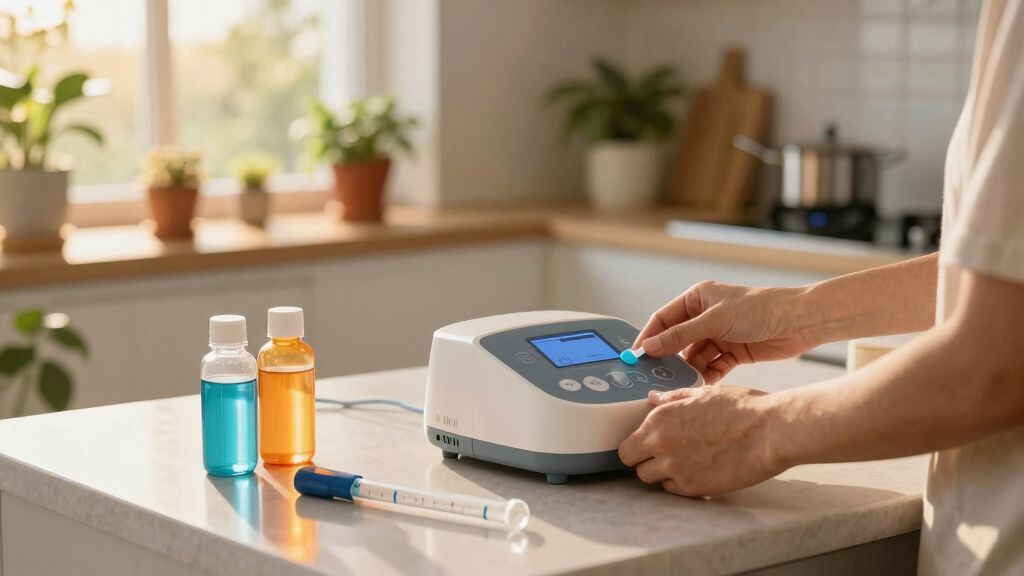

Choosing the best high accuracy nutrient dosing setup can dramatically improve hydroponic yields and plant health. Today, I focus on a standout choice—the Truncheon Nutrient Meter—and compare it with other options, highlighting their strengths and limitations. The key tradeoff often comes down to precision versus ease of use, and the environmental versatility of each device.
Key Takeaways
- The Truncheon Nutrient Meter offers a wide measurement range and instant readings, making it ideal for precise hydroponic nutrient control.
- Different setups vary in calibration, with some requiring manual calibration and others being factory calibrated for immediate use.
- Accuracy and temperature compensation features are crucial for consistent measurements across fluctuating environmental conditions.
- Ease of use, including form factor and multifunctionality, influences how quickly and effectively growers can manage their nutrient dosing.
- Price and durability differ, with premium setups offering longer lifespan but higher upfront costs.
| Truncheon Nutrient Meter for Hydroponic Digital Conductivity Tester for Water EC and TDS Meter with EC CF 500ppm 700ppm for Indoor Plant Grow Hydro Reservoir Tank Aeroponic Garden | 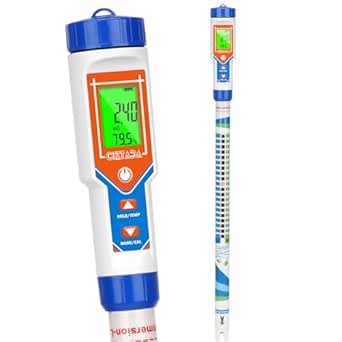 | Best Overall for Precision Hydroponic Monitoring | Measurement Range (TDS): 0-6990ppm | EC Range: 0.0-9.9mS/cm | CF Range: 0-60 | VIEW LATEST PRICE | See Our Full Breakdown |
More Details on Our Top Picks
Truncheon Nutrient Meter for Hydroponic Digital Conductivity Tester for Water EC and TDS Meter with EC CF 500ppm 700ppm for Indoor Plant Grow Hydro Reservoir Tank Aeroponic Garden
The Truncheon Nutrient Meter stands out for its broad measurement range—0-6990ppm TDS and 0.0-9.9mS/cm EC—providing detailed insights needed for high-accuracy dosing. Its quick, real-time digital display is ideal for monitoring while mixing solutions, and the automatic temperature compensation ensures consistent readings despite environmental fluctuations. Compared to simpler handheld meters, it offers a dual-function design that doubles as a stirrer, streamlining workflow. However, its slightly higher price and reliance on manual calibration with supplied solutions may deter some beginners. Nonetheless, its high visibility and factory calibration make it a top choice for professionals and serious hobbyists seeking reliable precision.
Pros:- Wide measurement range for detailed nutrient profiling
- Automatic temperature compensation for consistent results
- Dual-function design simplifies workflow
- Factory calibrated for immediate use
Cons:- Higher price point compared to basic meters
- Requires manual calibration for optimal accuracy
- Slightly bulkier for portable use
Best for: Growers who need versatile, highly accurate measurements in complex hydroponic systems.
Not ideal for: Beginners or growers seeking a low-cost, plug-and-play solution with minimal calibration.
- Measurement Range (TDS):0-6990ppm
- EC Range:0.0-9.9mS/cm
- CF Range:0-60
- Display Type:Digital LCD
- Calibration:Factory calibrated, manual recalibration
- Temperature Compensation:Yes
Bottom line: This meter offers unmatched measurement versatility and accuracy, making it ideal for advanced hydroponic setups.
How We Picked
Our selection process centered on technical accuracy, ease of integration into hydroponic systems, calibration reliability, and user-friendliness. We evaluated measurement ranges, calibration mechanisms, environmental adaptability, and durability. Devices that balanced precision with practical design were prioritized, especially those suitable for both beginners and experienced growers. Cost-effectiveness was also considered, ensuring options provide value without sacrificing core accuracy features.
Factors to Consider When Choosing Best High Accuracy Nutrient Dosing Setup
Choosing a high accuracy nutrient dosing setup involves evaluating measurement precision, environmental adaptability, ease of calibration, and durability. The right tool should integrate seamlessly with your hydroponic system and provide reliable, consistent readings to optimize plant growth. Here are key aspects to consider before making your decision.
Measurement Range and Accuracy
The core of high accuracy dosing is precise measurement. Devices with broader ranges and high-resolution displays help detect subtle nutrient fluctuations, crucial for targeted feeding. Look for meters that specify their resolution, calibration stability, and environmental compensation features to ensure consistent performance.
Calibration and Temperature Compensation
Reliable calibration methods, whether factory pre-calibrated or requiring manual calibration, affect long-term accuracy. Automatic temperature compensation is vital for outdoor or variable indoor environments, preventing measurement drift due to temperature shifts.
Ease of Use and Design
Form factor, readability, and multifunctionality influence how quickly you can respond to measurement needs. A clear digital display, ergonomic design, and features like dual-function as a stirrer reduce workflow disruptions and enhance precision.
Durability and Environmental Suitability
Tools exposed to water, humidity, or frequent use must be durable. Water-resistant designs, robust electrodes, and long-lasting batteries are essential for consistent high-accuracy dosing over time.
Price and Value
While premium meters tend to offer better accuracy and durability, balance your budget against your precision needs. For commercial growers, investing in top-tier tools pays off through improved yields; hobbyists might prefer more affordable, yet still reliable, options.
Frequently Asked Questions
Why is measurement accuracy important for nutrient dosing?
Accurate measurement ensures that plants receive the correct amount of nutrients, preventing deficiencies or toxicities that can impair growth. High accuracy tools detect even subtle changes in nutrient levels, allowing for precise adjustments that maximize yield and health.
How often should I calibrate my nutrient meter?
Calibration frequency depends on usage and environmental conditions, but a good rule is to calibrate before each growing cycle or when readings seem inconsistent. Regular calibration maintains measurement reliability, especially for high-precision setups.
Can I use a single device for all hydroponic systems?
Devices with wide measurement ranges and temperature compensation can be versatile enough for various systems, from DWC to aeroponics. However, specialized setups might benefit from dedicated tools tailored to specific environmental conditions.
Are digital conductivity meters better than analog ones?
Digital meters typically provide more precise, quick, and easy-to-read measurements, especially with features like auto-calibration and temperature compensation. Analog meters can be more affordable but often lack the fine resolution and consistency needed for high accuracy dosing.
What is the main tradeoff when choosing high accuracy nutrient meters?
The primary tradeoff is cost versus convenience. High accuracy meters tend to be more expensive and may require more careful calibration, but they offer superior measurement reliability essential for optimizing hydroponic growth.
Conclusion
For serious indoor growers and professionals, a high-precision tool like the Truncheon Nutrient Meter makes sense, offering detailed measurement capabilities and environmental adaptability. Hobbyists or those new to hydroponics might opt for simpler, more affordable meters that still provide decent accuracy but with less complexity. Ultimately, your choice depends on your system’s scale, budget, and the level of control you desire over nutrient management.