Tower systems appeal to space-saving gardeners more than ever because they maximize limited areas by building upward, freeing up horizontal space for other uses. They’re designed for easy maintenance and adaptability, making gardening more accessible in small urban environments like balconies or indoor corners. These systems support sustainable practices and allow you to grow herbs, vegetables, or decorative plants with less effort. If you keep exploring, you’ll discover how to transform your small space into a lush garden.
Key Takeaways
- They maximize limited space by utilizing vertical surfaces, ideal for small urban gardens and balconies.
- Modular designs offer customizable layouts, allowing gardeners to adapt as their space or needs evolve.
- Vertical tower systems promote efficient use of water, nutrients, and sunlight, enhancing sustainability.
- Ease of maintenance with accessible levels reduces physical effort, encouraging more frequent gardening.
- Their portability and adaptability support seasonal changes and indoor-outdoor use, fitting modern urban lifestyles.

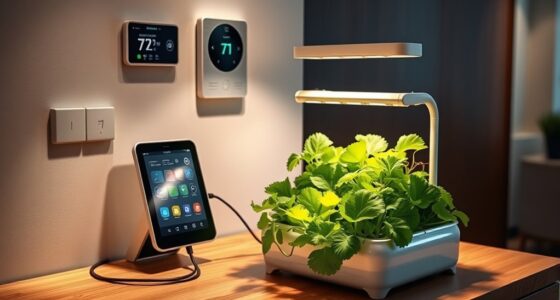
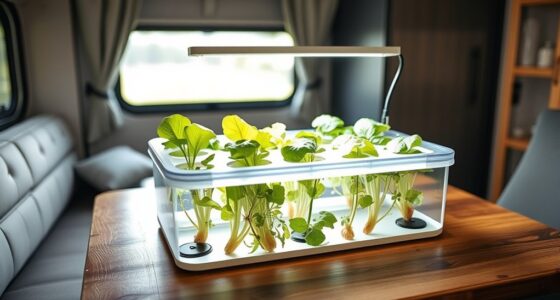
As urban living spaces shrink, more gardeners are turning to Tower Systems for efficient, space-saving solutions. These systems are designed to maximize limited areas, making them ideal for those who want to grow more in less space. Vertical gardening, a core feature of Tower Systems, allows you to utilize wall or vertical surface areas, transforming small balconies, patios, or even indoor corners into lush, productive gardens. Instead of spreading out horizontally, you build upward, giving you more room for herbs, vegetables, or decorative plants without sacrificing precious square footage. This approach is especially appealing in densely populated cities where land is scarce but the desire to grow fresh produce remains strong. Urban agriculture has gained popularity among city dwellers, and Tower Systems serve as a bridge between the desire for sustainable food production and limited space. You don’t need a sprawling backyard to enjoy growing your own food. With vertical gardening, you can cultivate a variety of plants in compact arrangements, reducing the need for traditional garden beds. This setup encourages efficient use of water, nutrients, and sunlight, making your gardening efforts more sustainable and manageable. Plus, the modular design of many Tower Systems allows you to customize your garden’s layout, adding or removing sections as your needs evolve. Whether you’re interested in growing herbs for cooking or cultivating a small vegetable patch, these systems support your goals without overwhelming your living space. Another reason Tower Systems are increasingly popular among space-conscious gardeners is their ease of maintenance. You can access plants at various levels without bending or kneeling excessively, which makes gardening less physically demanding. The vertical orientation also minimizes soil contact, reducing pests and soil-borne diseases. As a result, you spend less time on upkeep and more time enjoying your harvest or the beauty of your garden. Additionally, Tower Systems are portable and versatile, so you can move them indoors or outdoors depending on the season or weather conditions. This flexibility allows you to adapt your urban agriculture efforts to changing circumstances, maximizing productivity year-round. Incorporating vertical gardening techniques with Tower Systems can significantly enhance your garden’s productivity and aesthetic appeal, making these systems even more valuable for urban gardeners. Furthermore, utilizing compact gardening solutions can help optimize even the smallest spaces for a thriving garden. Recent innovations in modular design make it easier than ever to expand or reconfigure your garden setup to match your growing needs. As cities continue to grow upward, so does the appeal of vertical gardening with Tower Systems, and understanding Urban agriculture can help you implement sustainable practices that benefit both your environment and your lifestyle. In essence, Tower Systems meet the needs of modern gardeners who crave fresh produce and vibrant greenery but are limited by space. They turn even the smallest balcony or rooftop into a thriving garden, promoting sustainable urban agriculture practices. As cities continue to grow upward, so does the appeal of vertical gardening with Tower Systems, making them an essential tool for anyone enthusiastic to cultivate a greener, more self-sufficient lifestyle in an urban environment.
As an affiliate, we earn on qualifying purchases.
Frequently Asked Questions
Are Tower Systems Suitable for All Types of Plants?
Tower systems aren’t suitable for all types of plants due to plant compatibility and growth limitations. You should consider the plant’s size, root needs, and whether it thrives in vertical arrangements. Some plants, especially larger or spreading varieties, may outgrow the tower or struggle with limited space. So, you need to select plants that match the tower’s capacity and growth habits to guarantee healthy development.
How Much Maintenance Do Tower Systems Require?
You’ll find tower systems require minimal maintenance. For example, you might need to check plant watering daily during hot weather and guarantee pest control keeps pests at bay. Regularly inspecting for pests and adjusting watering schedules are key tasks. By staying attentive, you can enjoy lush, healthy plants with little effort. They’re designed for ease, so you won’t spend hours on upkeep, making them perfect for busy gardeners.
Can Tower Systems Be Used Indoors?
Yes, you can use tower systems indoors. Just make certain you have adequate indoor lighting, such as grow lights, to support plant growth. Pest control is also easier in enclosed spaces, helping to keep your plants healthy. Regular maintenance like watering and monitoring pests is essential, but overall, these systems adapt well indoors, making them perfect for small spaces or urban environments.
What Is the Average Cost of a Tower Gardening System?
The average cost of a tower gardening system ranges from $50 to $250, depending on size and features. When considering urban aesthetics, these systems provide a sleek, space-efficient look. A cost comparison shows that investing in a tower system can be more economical than traditional gardening setups, especially for small spaces. You’ll find options that fit various budgets, making it easier to enjoy fresh produce without sacrificing style or space.
Are Tower Systems Environmentally Sustainable?
You bet, tower systems are environmentally sustainable. Think of urban farming on steroids—these systems optimize limited space and reduce resource use. They promote water conservation by recycling and targeted watering, cutting down waste. Plus, they encourage local food growth, lowering transportation emissions. As a result, tower gardens help you grow greener, making your small space a mighty eco-friendly oasis. It’s a win for you and the planet.
As an affiliate, we earn on qualifying purchases.
Conclusion
So, if you’re serious about turning even the tiniest balcony into a lush paradise, tower systems are your ultimate secret weapon. They’ll transform your space faster than you can say “garden revolution,” making every inch count like never before. Say goodbye to cramped, boring spots—these towers are so game-changing, they’ll have you growing a jungle where there once was just a patch of concrete. Get ready to conquer gardening, one towering plant at a time!
indoor outdoor vertical garden kit
As an affiliate, we earn on qualifying purchases.
As an affiliate, we earn on qualifying purchases.
As an affiliate, we earn on qualifying purchases.