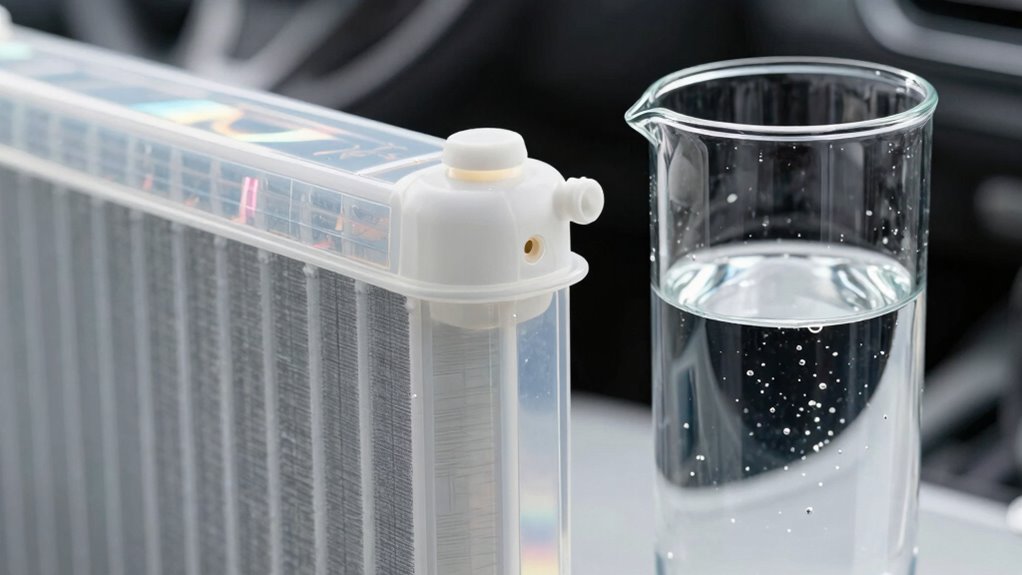

If you need quick hydration and want to avoid extra minerals, plain water is a good choice. It’s pure, minimally processed, and suits most people’s health needs. However, if you’re active, recovering, or in hot climates, rebalanced water can help replenish electrolytes and support better absorption. The right option depends on your health and activity level. Keep exploring to discover which water type best matches your hydration goals.

Get garden gear delivered free with Prime
- Fast, free delivery on millions of items
- Prime Video, Amazon Music and more included
- Member-only deals all year
Key Takeaways
- Rebalanced water may aid faster electrolyte replenishment for active or dehydrated individuals.
- Plain water is ideal for those with mineral sensitivities or kidney conditions.
- The choice depends on personal health needs, activity level, and taste preferences.
- Ensure water quality and source are safe, whether plain or rebalanced.
- Both options support hydration; select based on specific hydration goals and health considerations.

Have you ever wondered whether rebalancing water or simply drinking plain water is better for your health? It’s a common question, especially as more people become aware of how hydration impacts overall wellness. The choice isn’t just about quenching thirst; it also involves considering how water’s composition affects your body. Rebalanced water, which often undergoes processes like mineral balancing and flavor enhancement, aims to refine hydration by adjusting mineral content and improving taste. On the other hand, plain water provides a pure, unaltered source of hydration that’s readily available and free of additives.
Choosing between rebalanced and plain water depends on your health needs and taste preferences.
When you choose rebalanced water, you’re fundamentally allowing your body to absorb minerals more effectively. Mineral balancing ensures that essential electrolytes like magnesium, calcium, and potassium are in ideal ratios, which supports muscle function, nerve signaling, and overall fluid regulation. This process can make drinking water feel more satisfying and encourage you to hydrate more consistently. Additionally, flavor enhancement plays a subtle yet significant role. Even slight improvements in taste can make drinking water more enjoyable, especially if you find plain water bland or unappealing. Better flavor can motivate you to drink enough throughout the day, reducing the risk of dehydration.
However, plain water remains the simplest and most natural choice. It’s free of any added minerals or flavorings, making it ideal for those who prefer minimal processing or have specific health conditions that require strict mineral intake control. Drinking plain water also minimizes the risk of consuming excess minerals that might be present in some rebalanced waters, especially if the mineral content isn’t carefully regulated. It’s straightforward, accessible, and universally recommended by health authorities as the primary source of hydration. Furthermore, choosing plain water can be particularly beneficial for individuals with certain kidney conditions or mineral sensitivities. Understanding the role of minerals in hydration can help you make better choices based on your health needs.
A final consideration is that the quality of water, whether plain or rebalanced, can vary based on source and processing methods, which makes being informed about water purity standards important for maintaining optimal health. Informed consumers should also consider the impact of water filtration systems on water quality, especially in areas with questionable tap water. Selecting properly filtered water can significantly influence the quality of hydration, ensuring you receive safe and beneficial drinking water. Deciding between rebalanced water and plain water depends on your individual needs and preferences. If you’re active, perform endurance sports, or live in a hot climate, rebalanced water with refined mineral content can support faster recovery and better electrolyte balance. If you’re sensitive to taste or concerned about mineral intake, plain water might be the safer choice. Ultimately, both options can keep you hydrated, but understanding how each supports your health can help you make an informed decision. Whether you opt for the enhanced flavor and mineral balancing of rebalanced water or stick with the purity of plain water, prioritize hydration sources to maintain refined hydration and well-being.
As an affiliate, we earn on qualifying purchases.
Frequently Asked Questions
How Often Should I Top off My Aquarium Water?
You should top off your aquarium water daily or as needed, based on evaporation. Regular water testing helps you monitor water levels and water quality, ensuring your fish stay healthy. Evaporation management is key; top off with plain water to replace lost volume, but use rebalanced water periodically to maintain proper mineral levels. Consistent topping off prevents fluctuations in water parameters and keeps your aquarium stable.
Can Rebalanced Water Harm Delicate Aquatic Plants?
Rebalanced water generally won’t harm delicate aquatic plants if you maintain proper aquarium chemistry. However, if the rebalanced water has imbalanced nutrients or minerals, it could cause plant toxicity, leading to problems like algae overgrowth or stunted growth. Always test your water before adding rebalanced water, ensuring it’s suitable for sensitive plants. Properly balanced water supports healthy growth without risking plant toxicity.
Is Plain Water Suitable for All Types of Fish?
You can’t throw all fish in the same boat, so plain water isn’t suitable for all types. It might be fine for some, but others need specific water chemistry to stay healthy. For ideal fish health, you should match the water’s parameters to your fish’s needs. Always test and adjust water to avoid stressing your aquatic friends and guarantee their environment remains stable and safe.
What Tools Are Best for Rebalancing Water?
You should use water testing kits and buffer solutions to rebalance your aquarium water effectively. Water testing helps you identify pH, alkalinity, and other parameters needing adjustment. Buffer solutions are essential for stabilizing pH levels and maintaining a healthy environment. With these tools, you can make precise adjustments, ensuring your fish thrive. Always test before adding water and use the appropriate buffer solutions for your specific needs.
How Long Does Rebalanced Water Last Before Needing Replacement?
Rebalanced water typically lasts about a week before needing a refresh, so you can enjoy the thrill of water stability and pH fluctuations for a limited time. Keep in mind, after that, your water’s harmony may turn into chaos, demanding another round of balancing. So, if you love the rollercoaster of pH swings, enjoy your rebalanced water while it lasts—but don’t forget to reapply!
As an affiliate, we earn on qualifying purchases.
Conclusion
So, whether you choose plain water or rebalanced water, remember that each has its place—like a simple sip of plain water after a long run versus the carefully tuned balance of rebalanced water. It’s about understanding your needs, just as a moment of calm contrasts with the rush of activity. Both serve a purpose; one refreshes instantly, the other restores balance. Choose wisely, and hydrate in a way that keeps you thriving, not just surviving.
As an affiliate, we earn on qualifying purchases.
water filtration system for home
As an affiliate, we earn on qualifying purchases.
As an affiliate, we earn on qualifying purchases.
Fall yard work Picks
leaf blowers
As an affiliate, we earn on qualifying purchases.