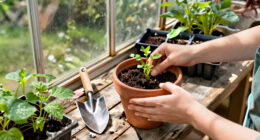
If your old seeds have been stored in a cool, dry, and dark place in airtight containers, they might still sprout and produce healthy plants. Test a small batch using a damp paper towel, and if many seeds sprout, it’s worth planting more. However, if few or no seeds germinate, it’s likely best to start fresh. To discover more tips on maximizing seed success and storage, keep exploring the details below.

Get garden gear delivered free with Prime
- Fast, free delivery on millions of items
- Prime Video, Amazon Music and more included
- Member-only deals all year
Key Takeaways
- Test seed viability with a damp paper towel to determine if they are still likely to germinate successfully.
- Seeds with high sprout rates after testing are generally worth planting, regardless of age.
- Avoid planting very old seeds that show low or no germination potential, as success rates will be minimal.
- Resilient seeds (e.g., beans, peas) may still sprout after years if stored properly, unlike more delicate types.
- Consider starting fresh for critical crops or when old seeds exhibit poor viability or delayed growth.
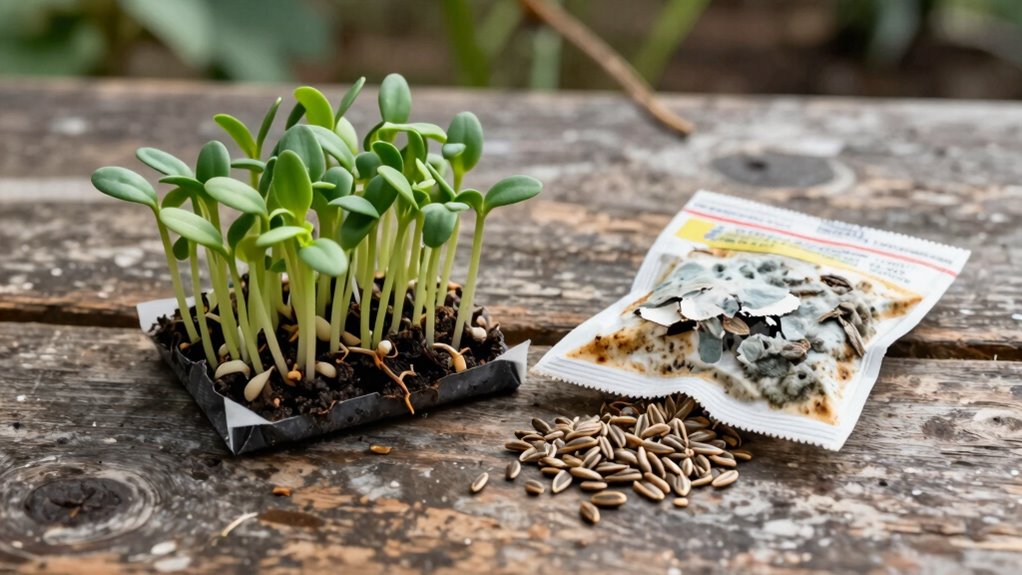
Growing old seeds can sometimes be worth planting, but knowing when they’ll still sprout and when they’re likely to fail is crucial. The key to success with aged seeds lies in understanding seed viability, which is their ability to germinate and grow into healthy plants. Over time, seeds naturally lose some of their vitality, making it more challenging to predict whether they’ll sprout. However, the condition in which you’ve stored them plays a significant role. If they’ve been kept under ideal storage conditions—cool, dry, and dark—they may retain a surprising amount of their germination potential, even after years. Conversely, poor storage can accelerate viability loss, rendering old seeds almost useless.
Proper storage can help old seeds stay viable longer and increase your chances of successful sprouting.
To gauge whether your old seeds might still sprout, think about their storage history. Seeds stored in a humid or warm environment tend to lose viability faster. If you’ve kept them in a sealed, airtight container in a cool basement or refrigerator, they likely have a better chance of sprouting. Proper storage conditions slow down metabolic processes and prevent mold or rot, helping seeds retain their life span longer. On the other hand, exposure to fluctuating temperatures or moisture can cause deterioration, making germination unlikely. Understanding seed viability and how it changes over time is essential for successful planting. Additionally, the seed dormancy period can influence whether old seeds will sprout, as some seeds naturally require specific conditions or periods of dormancy to break before germination.
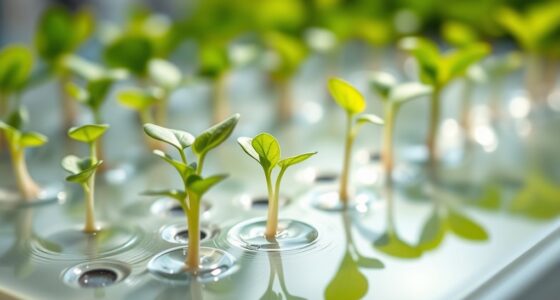
Performing a viability test before planting is a simple and effective way to assess potential success. Place a few seeds on a damp paper towel, fold it, and keep it in a warm, dark spot. Check after a few days to see if they sprout. If most of them do, you can proceed confidently with planting the rest. If only a few sprout, you might want to think about whether it’s worth the effort. It’s also helpful to consider the seed type, as some are naturally more resilient and retain viability longer than others. Keep in mind that even viable seeds may produce weaker plants or delayed growth, so patience is necessary.
Some seeds are naturally more resilient and tend to retain viability longer, such as beans and peas, while others like carrots and onions have a shorter lifespan. Knowing the seed type helps set expectations. If you’re uncertain about the age or viability, it’s often better to start fresh, especially for critical garden crops. However, if your old seeds have been stored properly and pass the viability test, they can still produce healthy plants. Proper seed storage techniques are essential for maximizing longevity and viability over time.
In the end, planting old seeds involves a bit of risk, but with careful evaluation of seed viability and storage conditions, you can maximize your chances of success. When in doubt, testing a small batch first can save you time and disappointment. Properly stored, some seeds can surprise you by sprouting long after their expiration date. Proper storage conditions and a quick viability check are your best tools in determining whether old seeds are still worth planting.
As an affiliate, we earn on qualifying purchases.
Frequently Asked Questions
How Can I Test Seed Viability Before Planting?
To test seed viability before planting, you can perform a simple germination test. Soak the seeds in water for a few hours, then place them on moist paper towels and keep them warm. Check for sprouting after a few days. Proper seed storage affects viability, so store seeds in a cool, dark place. Use effective planting techniques by only planting seeds that show signs of germination to guarantee successful growth.
Do Different Seed Types Have Varying Aging Rates?
Think of seeds as travelers with different stamina levels—some age gracefully, others tire quickly. Different seed types have varying aging rates because of their seed dormancy and genetic diversity. For example, some grains may last decades, while delicate flowers fade faster. Understanding these differences helps you decide whether to plant or replace your seeds, ensuring your garden’s importance and avoiding wasted effort on seeds past their prime.
Can I Improve Old Seed Germination Success?
Yes, you can improve old seed germination success. To do so, break seed dormancy by soaking seeds in warm water or scarifying tough seed coats. Also, provide appropriate germination triggers like proper temperature, moisture, and light. Storing seeds in cool, dry conditions helps preserve viability, but active treatments like stratification or scarification can considerably boost germination rates for older seeds.
What Are Signs That Old Seeds Have Gone Bad?
Old seeds, like whispers of past seasons, often reveal their fate through visual clues. If they’re discolored, shriveled, or have a musty smell, they’ve likely gone bad. Proper seed storage can prolong viability, but if germination techniques yield no sprouting after multiple tries, it’s time to accept they’re expired. Trust your senses; they’re your best guide in determining if old seeds still hold life or are past their prime.
Is There a Way to Store Seeds to Extend Their Lifespan?
You can extend seed lifespan with proper seed preservation. Store your seeds in airtight storage containers, like glass jars or sealed plastic bags, to prevent moisture and air exposure. Keep them in a cool, dark place, ideally between 32-41°F (0-5°C), such as a refrigerator or cellar. Regularly check for signs of mold or pests, and label your containers to maintain seed viability and guarantee successful future planting.
seed storage containers airtight
As an affiliate, we earn on qualifying purchases.
As an affiliate, we earn on qualifying purchases.
Conclusion
So, next time you find those old seeds tucked away, think twice. Will they sprout and thrive, or are they just taking up space? Sometimes, the risk is worth it—if you’re willing to wait and see. But other times, it’s better to start fresh and guarantee success. The choice is yours, but remember—nature can surprise you. Are you ready to take that chance, or will you play it safe? The garden’s secrets await.
damp paper towel seed germination test
As an affiliate, we earn on qualifying purchases.
As an affiliate, we earn on qualifying purchases.
best seeds for planting after storage
As an affiliate, we earn on qualifying purchases.
As an affiliate, we earn on qualifying purchases.
Halloween Picks
halloween
As an affiliate, we earn on qualifying purchases.