
To improve soundproofing in your plant room, you need to prioritize controlling vibrations first. Vibrations transmit noise through building structures, often bypassing traditional insulation. By using vibration isolators, damping, and proper equipment mounting, you can prevent sound leaks and reduce the overall need for extensive damping materials. Managing vibrations early makes your soundproofing more effective and cost-efficient. Keep exploring for more tips on how to optimize your plant room’s soundproofing strategies.
Key Takeaways
- Addressing vibrations first prevents sound from bypassing insulation through structural transmission.
- Vibration control enhances overall soundproofing efficiency by reducing structural noise leaks.
- Proper vibration isolation minimizes the need for extensive damping and insulation measures.
- Early vibration analysis identifies transfer points, allowing targeted interventions for better results.
- Combining vibration damping with acoustic insulation yields more cost-effective and effective soundproofing.

When it comes to soundproofing a plant room, addressing vibrations should be your first step, because vibrations often carry sound more effectively than air movement alone. If you ignore vibrations, the noise generated by equipment can bypass traditional soundproofing measures, making your efforts less effective. To tackle this, you need to focus on reducing the transfer of vibrations from machinery to the surrounding structure. This is where acoustic insulation and structural damping come into play. Acoustic insulation absorbs airborne sound waves, preventing them from traveling through walls or ceilings. However, its effectiveness diminishes if vibrations are allowed to spread through the structure itself. That’s why combining acoustic insulation with structural damping techniques is crucial.
Structural damping involves installing materials or devices designed to absorb and dissipate vibrational energy. Think of it as adding a layer of shock absorption to your plant room’s framework. When you incorporate damping solutions such as vibration isolators, pads, or damping compounds between machinery and mounting surfaces, you markedly reduce the amount of vibrational energy transmitted. This prevents the vibrations from traveling through the building, which is often the main culprit behind noise leaks. By minimizing vibration transfer, you make the acoustic insulation more effective because less sound is conducted through structural pathways. Additionally, understanding the vibration transfer process can help you better identify critical points for intervention. Implementing vibration isolation techniques can further enhance the overall effectiveness of your soundproofing efforts. Recognizing the importance of proper equipment mounting is essential to prevent vibrations from amplifying noise levels. Properly managing vibrations from the outset can also reduce the amount of structural damping required, saving costs and complexity. Incorporating vibration analysis during planning can help detect potential problem areas early, ensuring a more comprehensive soundproofing strategy.

Heavy Duty Spring Floor Mount Vibration Isolator for Heavy Machinery
- Wide Compatibility: Suitable for various industrial machinery
- Robust Construction: Steel base with durable rubber spring
- High Load Capacity: Supports 176-261 lbs (80-120 kg)
As an affiliate, we earn on qualifying purchases.
As an affiliate, we earn on qualifying purchases.
Frequently Asked Questions
How Do Vibrations Affect Soundproofing Effectiveness?
Vibrations considerably impact soundproofing effectiveness because they can cause structural resonance, amplifying noise transmission. By implementing vibration damping measures, you reduce the transfer of vibrations from machinery to building structures, preventing resonance that worsens sound leakage. When you address vibrations first, you create a more stable environment, making subsequent soundproofing efforts more efficient. This approach minimizes noise pathways, ensuring your plant room stays quieter and better insulated.
What Materials Best Absorb Vibrations in a Plant Room?
To absorb vibrations effectively in your plant room, use dense plant room insulation materials like mineral wool or rubber mats, which dampen vibrations directly. Acoustic barriers like mass-loaded vinyl or specialized vibration isolation pads also work well, preventing sound transmission. Combining these materials creates a layered approach that reduces vibration transfer, greatly improving soundproofing. Always verify proper installation to maximize their vibration-absorbing and soundproofing capabilities.
Can Vibration Isolation Reduce Equipment Noise?
Like a maestro tuning their instrument, vibration isolation can greatly reduce equipment noise. Using acoustic barriers and structural damping, you can prevent vibrations from traveling through walls and floors, effectively silencing unwanted sound. When you isolate vibrations early, the noise diminishes at the source. This proactive approach guarantees your plant room stays quieter, making a noticeable difference in soundproofing and creating a more peaceful environment.
How Do I Identify Sources of Excessive Vibration?
To identify sources of excessive vibration, you should check for high vibration frequency equipment or components that generate constant movement. Use a vibration meter or accelerometer to measure vibration levels at different points. Look for areas with minimal structural damping, which can amplify vibrations. Pay attention to machinery, pipes, or fans that resonate or produce unusual noise, as these are often the main sources of excessive vibration needing mitigation.
Are There Cost-Effective Vibration Mitigation Solutions?
Cost-effective vibration mitigation solutions include simple, smart steps like adding resilient mounts, isolating equipment, and employing damping pads. These cost savings come from easier installation and minimal material use. Focus on installation tips like secure mounting and proper alignment to maximize effectiveness, preventing costly future repairs. Quick fixes like rubber pads or flexible connectors can considerably reduce vibrations without breaking the bank, making your plant room quieter and more efficient.

Anti Vibration Pads, 2"× 2"×7/8" Vibration Isolator Pads, Mechanical Vibration Damping Pads, Heavy Duty Rubber Isolation Pads, 3/8"Pre-Drill Hole Vibration Isolator Pad for Air Compressor
- Noise and Vibration Reduction: Effective noise cancellation and vibration isolation
- Wide Application: Suitable for various heavy machinery
- Outdoor Use Recommended: Can be used outdoors with odor adjustment
As an affiliate, we earn on qualifying purchases.
As an affiliate, we earn on qualifying purchases.
Conclusion
By breaking down vibrations first, you build a better, quieter plant room. Tackling tremors transforms tumult into tranquility, turning noise nuisances into nurturing niches. When you prioritize preventing vibrations, you position yourself for peaceful, pristine spaces. Remember, small steps in silencing sound can considerably shape your surroundings. So, start with the source, suppress the shake, and see your space become serene, silent, and superbly soundproofed.

32 sqft Sound Deadening Mat, 197 mil(5mm) Sound Deading Material for Cars, Automotive Sound Deadener Foam, Audio Noise Insulation and dampening (30 Pcs)
- Product Size: 32 sqft, 197 mil (5mm) thick
- Material Composition: 3-layer composite with aluminum foil
- Thermal & Water Resistance: Aluminum foil top layer
As an affiliate, we earn on qualifying purchases.
As an affiliate, we earn on qualifying purchases.
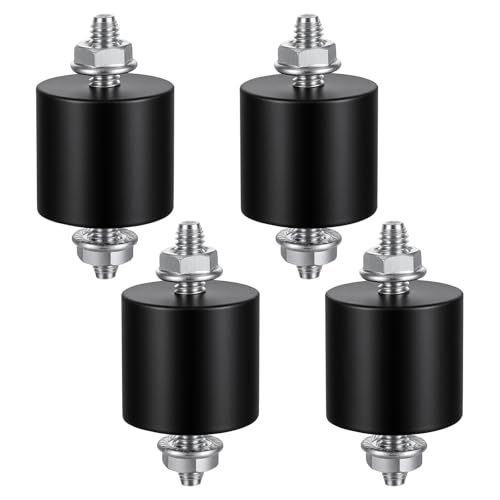
4 Pack 25x25mm M6 Rubber Vibration Isolator Mounts, Rubber Isolator Mounts, Rubbers Mount Shock Absorber, Anti Vibration Pads for Fitness Equipment
- Durable Construction: High-quality rubber and iron bonded for longevity
- Effective Vibration Isolation: Reduces vibrations and noise efficiently
- Shock Absorption: High elasticity absorbs shocks for smooth operation
As an affiliate, we earn on qualifying purchases.
As an affiliate, we earn on qualifying purchases.